 Degchi

Photo: Sruthi612 / CC BY-SA 4.0
Pani Puri Recipe at Home: Shells, Pani and Filling
Pani puri looks like one dish, but it is three separate preparations that only meet in the last ten seconds: the shell, the water (pani) and the filling. Make each one well and the assembly takes care of itself. This pani puri recipe follows the pani puri in our library, which serves 4 and takes about 40 minutes (30 of prep, 10 of cooking), with the pani chilled for at least 30 minutes of that.
If you want the argument about names and regions first, Pani Puri vs Golgappa vs Puchka covers it. This page is about getting it onto the table.
A pani puri recipe starts with shells that puff
You need 150 g (5.3 oz) of fine semolina, 2 tbsp of all-purpose flour (maida), a little water, and about 500 ml (2 cups) of oil for deep-frying.
- Knead the semolina, flour and water into a stiff dough. Cover with a damp cloth and rest for 20 minutes. The recipe doesn't give a water amount; add it a spoonful at a time until the dough is stiff, not soft.
- Roll very thin, about 1.5 mm, and cut small rounds about 4 cm across. Keep the cut rounds under a damp cloth so they don't dry out.
- Heat the oil to about 180 C (350 F). Fry a few at a time, pressing gently with a slotted spoon as each one hits the oil, until puffed and golden. About 8 minutes in total is the recipe's timer.
- Drain on paper towels and let them cool completely. They turn crisp as they cool.
Two points from the recipe tips. First, puffing needs oil that is hot enough plus that gentle press the moment the round touches it. Second, store the shells airtight only once they are fully cold.
Shop-bought shells are fine if you want to skip this part, and you can still follow everything below.
The pani
Pani is the part you taste and adjust. Blend:
- 1 cup mint leaves, stems left out (the recipe warns the stems turn the pani bitter)
- 1/2 cup coriander
- 2 green chillies
- 3 tbsp tamarind pulp
- 2 tsp chaat masala
- 1.5 tsp salt
- About 750 ml (3 cups) cold water
Blend until smooth, strain into a jug and chill for at least 30 minutes. Then taste it: it should be tangy, salty and spicy. If one note is missing, add a little water, salt or tamarind to balance. Cold water makes a difference, because the pani is poured onto the puri and meant to be refreshing.
Other pani flavours exist. Wikipedia lists a sweet red tamarind water as meetha pani, and others made with lemon, asafoetida or jal-jeera. Ours is the green, spicy, tangy kind.
Pani puri filling, and what else goes in
The filling is the easy part. Mash 3 boiled potatoes together with 100 g (3.5 oz) of cooked or tinned chickpeas, drained, then season with a little chaat masala and salt. That is the whole filling in our recipe.
The filling varies by region. According to Wikipedia, Delhi golgappa often uses black chickpeas and potato, Kolkata phuchka uses mashed potato with green chilli and often white peas, and Mumbai versions use ragda (mashed white peas), with bean sprouts and boiled potato also common. Add finely chopped onion if you like, as some versions do.
Tinned chickpeas are fine. Drain them, and mash them roughly rather than to a paste, so the filling still has texture. Bangladeshi fuchka uses the same idea with roasted cumin and a chilli-and-tamarind water; see our fuchka recipe for the details.
Putting it together
Assembly is done at the table, right before eating:
- Tap a hole in the top of a puri with a thumb or spoon.
- Spoon in a little filling.
- Fill with the chilled pani.
- Eat immediately, in one bite, before the shell softens.
Don't fill them in advance. Our fuchka tip says a filled shell goes soggy within a minute of touching the water, and pani puri behaves the same way. For a group, put out a bowl of shells, a bowl of filling and a jug of pani, and let everyone fill their own.
What to make ahead
The recipe's make-ahead tip is the most useful thing on the page: the pani keeps in the fridge for a day, and cooled puris keep for a week in an airtight tin. Only the filling and assembly need to happen on the day.
If you like this kind of snack, Bhel Puri at Home, and a Guide to the Chaat Family is the next one to try, and it needs no frying at all. Samosa chaat and chana chaat use the same tamarind and chaat masala flavours.
A word on hygiene
Cook the potatoes and chickpeas fully, chill the pani promptly, and don't leave filled shells or leftover pani sitting out. The pani should go back in the fridge if the party stretches on.
One last plan
Degchi can show whether you already have semolina, potatoes, chickpeas, tamarind and mint before you start; the pantry demo is at /#try.
Timing sheet for a party
| When | Task |
|---|---|
| Two days before | Fry the puris, cool them, store airtight |
| The day before | Make the pani and chill it |
| Morning of | Boil the potatoes, drain the chickpeas |
| One hour before | Mash the filling |
| At serving | Fill, pour, eat |
Related recipes

Related posts
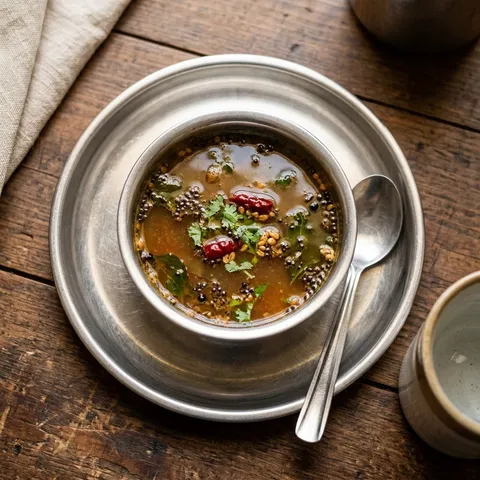
Tamarind Block vs Paste vs Concentrate: Which to Buy
Three jars, one word on the label, very different strength. Here is how to tell tamarind block, paste and concentrate apart and how to swap them in imli recipes.
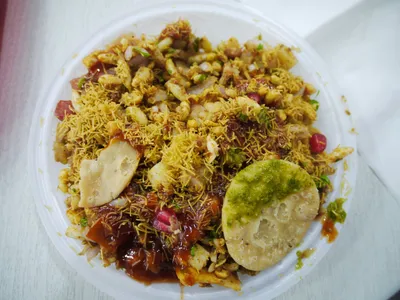
Bhel Puri at Home, and a Guide to the Chaat Family
Bhel puri is puffed rice tossed with chutneys, potato, onion and sev. Here is how to make it, how to keep it crisp, and how the main chaats differ.

Pani Puri vs Golgappa vs Puchka: Names and Differences by Region
One crisp hollow shell, one tangy water, many names. Here is what people call pani puri in different places, how the fillings differ, and where sources disagree.