 Degchi
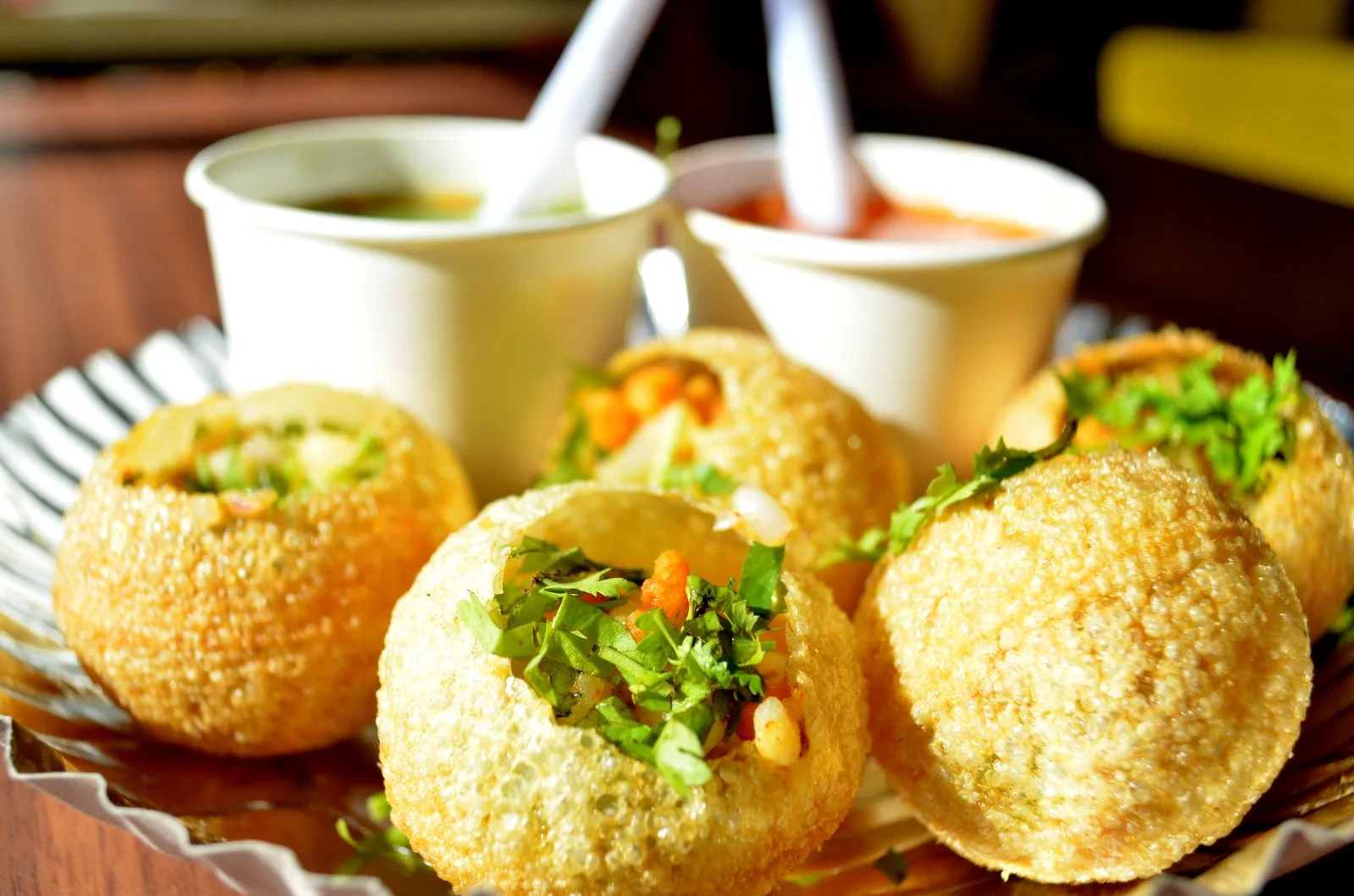
Photo: Sruthi612 / CC BY-SA 4.0
Pani Puri vs Golgappa vs Puchka: Names and Differences by Region
One snack, many names
A small hollow shell, cracked open, filled, dunked in spiced water and eaten in one bite. Ask where to find it and you will get a different word depending on who you ask. Pani puri, golgappa, puchka, phuchka, fuchka, gup chup: they all describe the same idea, and the differences are in the filling, the water and the shell.
Names by region
Food writers and news sites broadly agree on the pattern below, but they do not agree on every border. Treat it as approximate.
- Pani puri: most often linked to Maharashtra and Gujarat. Mumbai versions are often filled with ragda, a thick gravy of white peas, according to one source.
- Golgappa: the usual name in Delhi, Punjab, Haryana and Uttar Pradesh. Some lists add Himachal Pradesh, Jammu and Kashmir and Madhya Pradesh.
- Puchka or phuchka: West Bengal, with Bihar, Jharkhand, Odisha and Assam also mentioned. Assam may use the name puska.
- Fuchka: the spelling you will see in Bangladesh, for the same snack sold on street corners in the evening.
- Gup chup: Odisha and Chhattisgarh are the most cited. Some sources add parts of Bihar, Jharkhand or Hyderabad.
- Patashi, pani ke patashe: parts of Uttar Pradesh and Rajasthan.
- Others: fulki (Madhya Pradesh) and pakodi (interior Gujarat) show up in some lists.
Where sources disagree: one puts gup chup in Odisha, another in Chhattisgarh and Madhya Pradesh; another places Madhya Pradesh under pani puri. We have not found a single authoritative map, so we would not trust any one article's borders.
How the versions differ
The differences people describe most often are about the filling and the water:
- Filling. Mumbai pani puri is described as using ragda. Bengali puchka is described as mashed potato, sometimes with boiled chickpeas, with tamarind in the mix. Sources disagree on the exact filling in some regions, so these are tendencies.
- Water. Delhi golgappa water is often described as spicier and mint-forward. Kolkata puchka leans toward tamarind. Our own recipe notes say the same.
- Shell. Some shells are made of semolina, some with a little wheat flour added. The shells are the same idea everywhere: thin, fried until they puff, and crisp when cooled.
Our pani puri, with real amounts
Our pani puri serves 4. It takes 30 minutes of prep and 10 of cooking.
Shells
- 5.3 oz (150 g) fine semolina (suji)
- 2 tbsp all-purpose flour
- Water for a stiff dough, rested 20 minutes under a damp cloth
- About 2 cups (500 ml) oil for deep-frying
Roll the dough very thin, about 1.5 mm, and cut 4 cm rounds. Keep them under a damp cloth. Fry a few at a time at about 350 F (180 C), pressing gently with a slotted spoon as they hit the oil, until puffed and golden. Cool them completely on paper towels, because they crisp as they cool.
Filling
- 3 boiled, mashed potatoes
- 3.5 oz (100 g) boiled chickpeas
- A little chaat masala and salt
Pani (spiced water)
- 1 cup mint leaves (no stems, which turn it bitter)
- 1/2 cup coriander
- 2 green chillies
- 3 tbsp tamarind pulp
- 2 tsp chaat masala and 1.5 tsp salt
- About 3 cups (750 ml) cold water
Blend, strain, and chill for at least 30 minutes. Taste it: it should be tangy, salty and spicy together. Adjust with water, salt or tamarind.
And the Bangladeshi fuchka
Our fuchka is a little different on paper. It serves 4, takes 30 minutes of prep and 15 of cooking, and uses 1.3 cups (200 g) of semolina for the shells with no all-purpose flour. The water is built around 3 tbsp of tamarind pulp and 4 green chillies ground to a paste, plus roasted cumin, mint and chaat masala. The filling is 3 mashed potatoes and 1 cup (150 g) of boiled chickpeas. It is a tangier and hotter result than the pani puri recipe above.
Practical tips
- Fill at the table. Fill and dip only when you are about to eat. The shell goes soft within a minute of touching the water.
- Make ahead. The pani keeps for a day in the fridge. Cooled shells keep about a week in an airtight tin. Do not fill them until serving.
- Puffing. If the shells do not puff, the oil is probably not hot enough, or the dough was rolled too thick.
Is it a snack or a starter?
In the evenings, with chaat, it is both. A plate of chana chaat and samosa chaat sits well beside it if you are feeding a group.
Switching 5.3 oz to 150 g
Our recipes show metric and US amounts with a servings scaler, so the 5.3 oz of semolina is just a switch away from 150 g. The app is free and in closed beta. Join the beta if you want to try it, or browse the recipe library.
Related recipes
Related posts
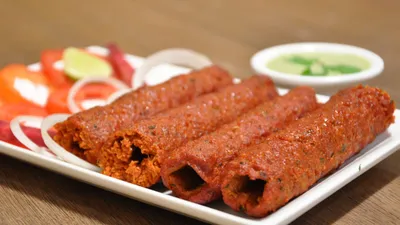
"Kebab Rolls at Home: Paratha Wraps That Don't Go Soggy"
"A kebab roll falls apart for three reasons: wet filling, thin bread, and no wrap. Fix all three and a Tuesday leftover becomes street food."
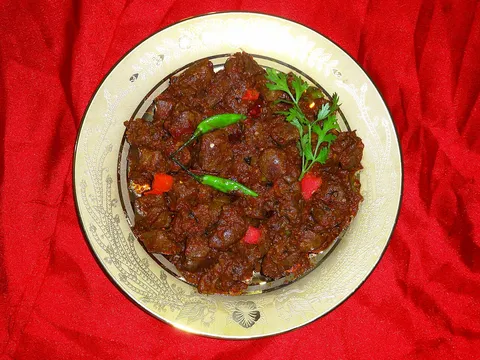
"Katakat at Home: Tawa Timing, Liver and the Chop"
"The clanging spatulas are half the appeal. Here is how to get katakat right on a home tawa without turning the liver to rubber."
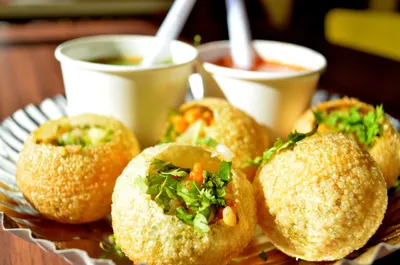
Pani Puri Recipe at Home: Shells, Pani and Filling
Pani puri is three small jobs: shells that puff, a water you taste and adjust, and a filling that is nearly effortless. Here are the numbers for each.