 Degchi
Ramadan Freezer Prep: Samosas, Rolls and Other Iftar Starters You Can Make Ahead
Why prepare before Ramadan starts
In many homes, the iftar table is not complete without something crisp: samosas, spring rolls, kebabs, or pakoras. The trouble is that making them from scratch while fasting, with children to feed and work to do, takes real energy. A freezer stocked a few weeks before Ramadan changes the whole month.
This guide covers the practical side: what freezes well, how to pack it, and how to keep it safe.
What freezes well
Foods that are shaped and uncooked, or lightly cooked and filled, usually freeze best.
- Samosas. Fill and fold, then freeze raw. Cook from frozen.
- Rolls and spring rolls. Same method. Seal the edges well.
- Kebabs and cutlets. Shape, then freeze on a tray before bagging.
- Pastry-wrapped snacks such as sambousek. Freeze unbaked.
- Mince filling. A spiced keema filling like the one in aloo keema can be frozen separately and used for samosas, rolls, or parathas.
What does not freeze well: anything dressed with yoghurt, chutney, or fresh salad. Add these on the day.
A four-week timeline
Week one: fillings. Cook potato, chickpea, or mince fillings. Cool them quickly, ideally within about an hour, and chill fully before wrapping, because warm filling makes the pastry soggy. Freeze in flat bags in portions you can use in one session.
Week two: shape and freeze. Fold samosas and rolls. Place them on a lined tray, not touching each other, and freeze until firm, then transfer to freezer bags or containers. This stops them from sticking in one lump.
Week three: kebabs and cutlets. Shape and freeze in the same way, with baking paper between layers.
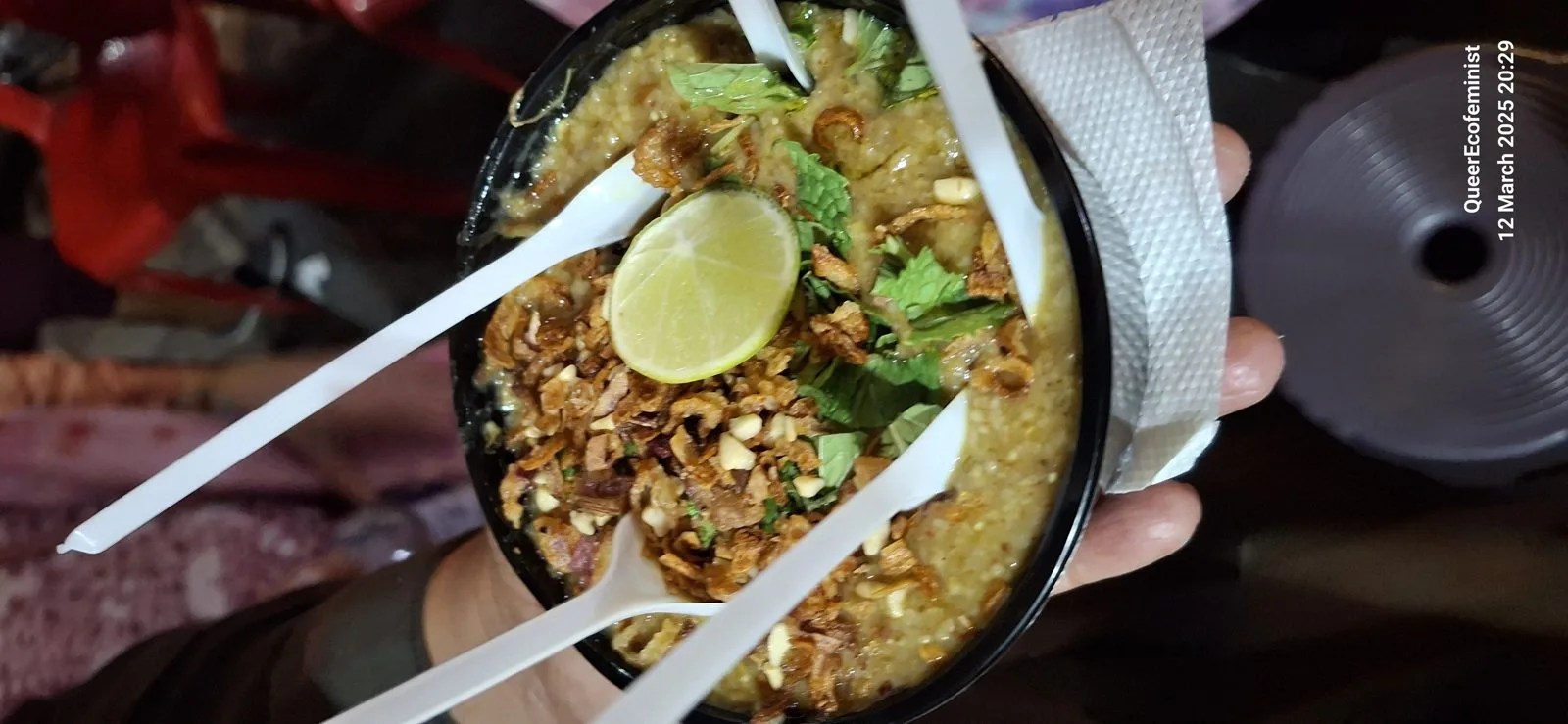
Week four: a main-meal safety net. Freeze a few portions of a hearty dish such as haleem or a pot of daal, so there is always something ready on the evenings when everything goes wrong.
You do not have to do all of this. Pick one or two items that your family eats most.
Packing so it stays good
Freezer burn comes from air. Press out as much air as you can from bags and use airtight containers where possible. Label each bag with the contents and the date. A general rule from food safety bodies is that food stays safe indefinitely at a steady -18 C (0 F), but quality declines over time, so try to eat home-frozen snacks within about two to three months.
Freeze in useful quantities. A bag of twelve samosas is easier to use than a block of sixty.
Cook from frozen, not thawed
Most shaped snacks do best cooked straight from the freezer. Thawing at room temperature makes pastry soft and is not the safest approach for anything containing meat. If you do thaw, do it in the fridge.
For frying, add the frozen pieces to oil at a moderate temperature so that the outside does not brown before the middle is hot. For baking or air frying, give them a little more time than fresh. Whatever method you use, check that the middle is steaming hot all the way through, especially for meat fillings. Poultry and mince should reach 74 C (165 F) in the centre, according to USDA guidance.
Keep a small iftar rhythm
A freezer full of options is useful, but a plan stops you from over-making. Many families settle on one fried item and one fresh item per day, with dates, fruit, and a drink alongside. Our Ramadan and Eid meal planning guide gives a full framework for the month.
If you share cooking duties, ask other family members to claim a night. Children can help fold samosas, which is a good job for small hands.
Do not forget suhoor
Frozen prep is not only for iftar. A tray of plain parathas or a bag of cooked lentils can save the early-morning scramble. For ideas, see our suhoor ideas for Gulf and UK families.
Keeping a record
It is surprisingly easy to lose track of what is in a chest freezer. A quick list taped to the lid helps. If you prefer an app, Degchi, currently in beta, lets you record pantry and freezer items and builds a shopping list from what is running low. You can join the beta through our website.
A final thought
Ramadan is about focus and family, not about spending every afternoon at the stove. An afternoon or two of preparation in the weeks before can give you back many evenings during the month. Start small, freeze safely, and enjoy the quiet that comes from knowing iftar is mostly ready.
Related recipes
Related posts

Freezer-Friendly Pantry Staples: What to Keep Frozen for Fast Dinners
A freezer is a second pantry with a longer memory. Here is what earns its shelf space, how to portion it, and what to cook when you open the door tired.
Feeding a Desi Household With a Newborn: Easy Meals and Smart Help
In the first weeks with a baby, the goal is simple: everyone eats something warm. Freezer meals, a shared helper list and a few low-effort dinners make that possible.
Batch Cooking and Freezer Meals for Desi and Gulf Kitchens
One long cooking session can feed a family for two weeks. Here is what freezes well, what does not, and how to cool, portion and reheat it safely.
The Make-Ahead Onion-Tomato Masala Base: One Cooking Session, Many Weeknight Dinners
The slowest part of most curries is building the base. Do it once, freeze it in portions, and weeknight cooking gets much quicker.