 Degchi
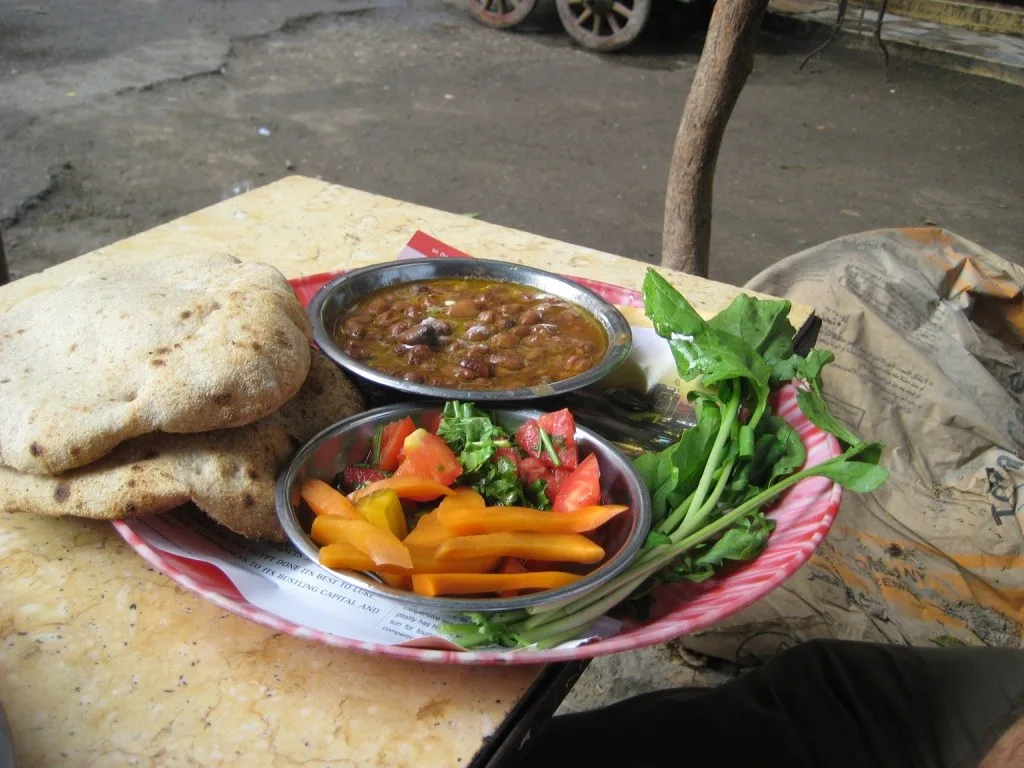
Photo: Zachbe / CC BY-SA 4.0
Suhoor Ideas That Keep You Full Until Iftar
What suhoor has to do
Suhoor is the meal before dawn. It is eaten tired, often in a hurry, and it needs to carry you through a long day. Three things help: some protein, some slow carbohydrate (bread, oats, beans), and plenty of water. Very salty or very sweet foods tend to leave people thirsty, so go easy.
We are not giving medical advice. If you have a health condition such as diabetes, talk to your doctor about fasting before Ramadan.
Six ideas that work
1. Ful medames. Slow-cooked fava beans with lemon, olive oil and cumin, eaten with bread. Our ful medames takes 10 minutes of prep and 25 of cooking for 4. It reheats well, so cook it at iftar time and warm it at suhoor.
2. Shakshuka. Eggs poached in a spiced tomato sauce. Shakshuka is 10 minutes of prep and 20 of cooking for 4. Make the tomato base the night before, then crack the eggs in at suhoor.
3. Egg paratha. A South Asian favourite. Anda paratha serves 2 with 15 minutes of prep and 15 of cooking.
4. A plain omelette and bread. On a tired morning, the omelette is 5 minutes of prep and 5 of cooking, for 2.
5. Labneh with bread and cucumber. Labneh is strained yogurt, and it needs about 12 hours of draining. That makes it perfect for a fridge ready the night before. Spread it on bread with olive oil, cucumber and tomato.
6. Gahwa or tea, slowly. Arabic coffee (gahwa) is 5 minutes of prep and 20 of cooking. Many people prefer water and a lighter drink at suhoor because caffeine can make you more thirsty, but that is a personal call.
Making each idea more filling
- Ful medames: a can of fava beans (about 400 g or 14 oz, drained) serves 2 as a main. Mash roughly with 1 clove of garlic, juice of half a lemon, 2 tablespoons of olive oil and a pinch of cumin. Add a boiled egg for extra protein.
- Shakshuka: use 4 to 6 ripe tomatoes, or one 400 g can, with an onion, 1 pepper and 2 cloves of garlic. Poach 1 to 2 eggs per person, covering the pan for about 5 to 6 minutes. Serve with thick bread for scooping.
- Egg paratha: add a few spoonfuls of grated cheese or chopped spinach to the egg to bring in more protein and some vegetables.
- Oats: if you are tired of savoury food, 1/2 cup (about 45 g) of oats cooked in milk, with a spoon of nuts or seeds and a sliced banana, is a calm and slow-releasing option. It is not in our library, but it is very quick.
- Labneh plate: add olives, a boiled egg and wholemeal bread to turn a snack into a proper meal.
Drinks and fluids
Water matters as much as food. Many people find it works to drink a glass or two at suhoor and keep sipping steadily between iftar and bedtime. Very salty foods, such as cured meat or heavily salted cheese, can leave you thirsty during the day, so use them lightly. Fruit with high water content, like melon, cucumber and oranges, is a pleasant addition. If you like tea, a weak cup is less likely to dry you out than a strong one, though people differ.
If you have only five minutes
On the worst mornings, try one of these:
- Yogurt with a handful of oats, a spoon of honey and sliced fruit.
- A boiled egg, two dates and a glass of milk.
- Two slices of wholemeal toast with peanut butter or cheese, and a banana.
- Leftover daal or ful from iftar, warmed and eaten with bread.
Boiling a few eggs at iftar and keeping them in the fridge means you always have something protein-rich at hand.
Feeding a household with different needs
Teenagers and children who are fasting for the first time may need a bigger or more frequent snack at suhoor. Elderly relatives may prefer soft, gentle food, such as porridge, soup or well-cooked beans. If someone in the family is pregnant, breastfeeding, unwell or on medication, they should follow their doctor's advice, which sometimes means not fasting. Cook plain options and let each person add their own toppings.
Suhoor questions
How early should I wake up? That depends on the dawn time in your city. Many people set the alarm so they have 20 to 30 minutes to eat, rather than gulping food in 5 minutes.
Can I prepare suhoor completely the night before? Dishes like ful, daal and oats-based jars keep well. Eggs are better cooked fresh, though boiled eggs keep for a few days in the fridge.
What if I am not hungry at suhoor? Try a small portion of something light such as yogurt, fruit and dates, and drink water. Skipping it entirely makes the day longer for most people.
Is it better to eat a big suhoor? A balanced, moderate meal tends to work better than a huge one, which can leave you sluggish.
Make-ahead checklist for the night before
- Make the tomato base for shakshuka, and refrigerate it.
- Put yogurt into a strainer lined with muslin for labneh.
- Boil or reheat beans.
- Set out plates, bread and the pan, so suhoor is only heat and eat.
A three-day suhoor rotation
| Day | Suhoor | Prep the night before |
|---|---|---|
| 1 | Ful medames and bread | Cook the beans at iftar |
| 2 | Shakshuka | Make the sauce |
| 3 | Labneh and bread | Drain the yogurt |
Repeat with variations. Having only three decisions to make saves energy.
Let the app remember
Add the staples (eggs, beans, bread, yogurt) to your Degchi pantry. When eggs or bread run low, they show up on the shopping list before you are standing in the kitchen at 4 am without them.
Related recipes


Related posts
A Night-Before Routine for Easy Suhoor in Ramadan
Instead of a list of dishes, this is a routine. Ten minutes after iftar clean-up sets up a calmer pre-dawn kitchen for the whole Ramadan month.
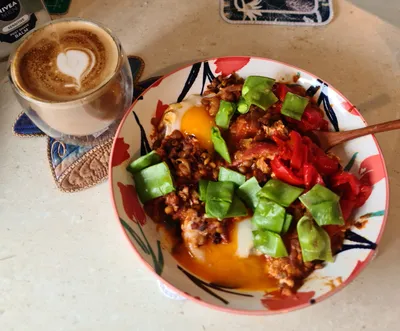
Menemen vs Shakshuka: Two Tomato-and-Egg Pans Compared
Same pan, same tomatoes, same eggs. One is scrambled and soft, the other poached and runny. Which to cook depends on your morning and your bread.
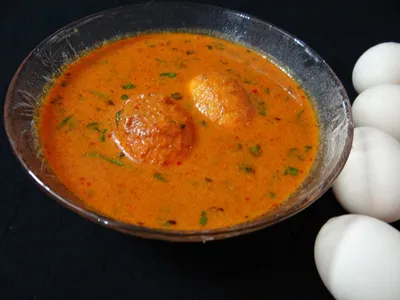
What Can I Cook With Eggs? 9 Dinners and Breakfasts From Our Recipes
Eggs are the emergency dinner. Nine dishes from our recipes, from a 10-minute omelette to a Bangladeshi egg curry, with boiling times and food-safety basics.
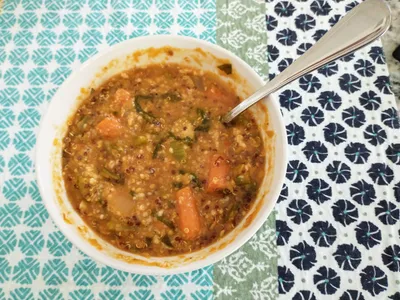
A Simple Ramadan Meal Plan for a Busy Family (Gulf and UK)
Ramadan cooking goes wrong when every night is a banquet. Here is a calm weekly rhythm for iftar and suhoor, built from dishes you can actually cook, with a prep day that does most of the work.