 Degchi
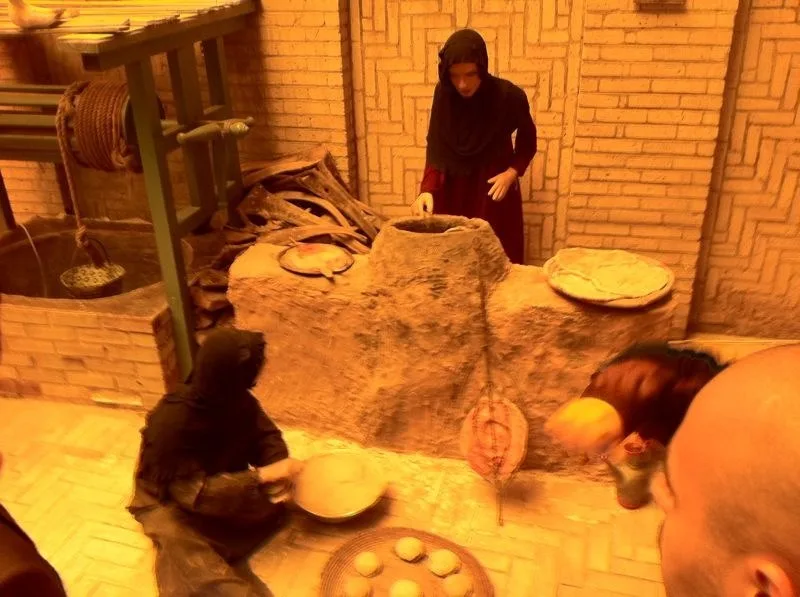
Photo: Aziz1005 / CC BY-SA 4.0
Khubz Tannour at Home Without a Tannour Oven
You want warm, blistered, oval bread to tear and dip, and the nearest bakery is a drive away. Khubz tannour at home is possible, with one honest caveat up front: a home oven is not a tannour. It can still give you decent bread, which is what this guide is for.
(For Arabic readers: خبز التنور is the same bread. Our recipe text is also available in Arabic on the recipe page.)
What the recipe asks for
Our khubz tannour recipe serves 4, with 15 minutes of cooking and 90 minutes of prep, which is mostly the rise. The ingredients are short:
- 350 g (2.8 cups) atta, which is whole wheat flour
- 1 tsp yeast
- 1 tsp salt
- 2 tbsp oil
- Water, amount not specified in our data
We have to flag two gaps. The recipe lists water as a step ingredient without a quantity, and it lists the oil without saying where it goes. Add water gradually until the dough is soft and smooth, as the recipe describes, and use the oil to lightly grease the bowl or your hands. Those are practical guesses, not instructions from the recipe.
Why a tannour is hard to copy at home
A tannour is a clay oven, and the bread is slapped onto its hot inner wall. Wikipedia's tandoor article says temperatures in a tandoor can reach 480 C (900 F) and that breads in related ovens are stuck to the inside walls so they cook evenly and fast. Wikipedia's own section on the Arab tannour is only a pointer to other articles, so we cannot cite details from it.
Your oven tops out around 250 C, the temperature in our recipe, which is roughly half. That is why the recipe tells you to use a "very hot pizza stone or tray". The stone or tray stores heat and gives the dough a hard bottom contact, which a bare rack does not.
Khubz tannour at home, step by step
- Knead (10 minutes). Mix flour, yeast, salt and water, then knead into a soft, smooth dough.
- Rise (60 minutes). Cover and leave in a warm place until puffy.
- Shape. Divide into 6 balls. At 350 g of flour, that is about 58 g of flour each, before water. Stretch each into an oval about 1 cm thick.
- Get the surface hot. Put the stone or tray in the oven while it preheats to 250 C. Leave it in for the full preheat, not just the last few minutes.
- Dimple. Press a few dimples into the surface with your fingertips. The recipe does not say why; the usual reason is that dimples keep the surface from puffing unevenly, which we have not verified here.
- Bake. About 8 minutes, until golden on top.
- Wrap. Put the breads in a clean cloth right away to keep them soft, and serve warm.
The recipe says bake until golden on top, with a timer of 8 minutes. Watch the first one and adjust for your oven.
No stone? Use a tawa
Our recipe names a pizza stone or a tray. A different Degchi recipe, tandoori naan, has a tip for a tandoor-less kitchen: a hot, heavy cast-iron tawa with the lid flipped over it to trap heat mimics a tandoor's radiant heat. That tip is for naan, and we have not verified it for this dough, but it is a reasonable thing to try if you have no stone: cook one oval on a hot tawa, covered, then check the underside and top.
Pick the right bread for the night
| Bread | Time | Heat | Best for |
|---|---|---|---|
| Khubz tannour | about 90 min prep, 15 cook | oven, 250 C | Tearing, dipping, wrapping |
| Khameer bread | about 100 min prep, 20 cook | oven, 200 C | Soft, buttery, with cheese or honey |
| Khubz raqaq | 20 min prep, 15 cook | griddle | Paper-thin and lacy, in a hurry |
| Tandoori naan | about 120 min prep | hot tawa or top oven setting | Yogurt dough, charred spots |
Khubz raqaq needs no yeast and no long rise, so if you have 35 minutes rather than 105, that is the one.
What to serve it with
Tear it warm and put hummus in front of it. That is our suggestion; our recipe does not specify a pairing. If you are building a spread, our mezze night guide covers a plan.
Mistakes and fixes
- Dense, pale bread: the stone was not hot enough or the rise was cut short. Preheat longer.
- Hard instead of soft: do not skip the cloth wrap; leave the loaves uncovered and they dry out.
- Dough sticks while shaping: lightly oil your hands. Add water in small amounts next time.
- Flat and tough: the recipe shapes ovals about 1 cm thick, so if yours are much thinner, they will bake up crisper and flatter.
One practical plan
If you are making this alongside a main, start the dough about 90 minutes before the meal: knead, rise 60 minutes, then shape and bake in batches if your stone is small. Six ovals will not fit most stones at once.
In Degchi, the recipe page shows these amounts in metric and US units with a timer for the rise and the bake, and you can try the app at degchi.matrixinn.net/#try.
Related recipes

Related posts
Machboos vs Kabsa: What Is the Difference?
They look alike, taste alike and are often used as synonyms. Here is what actually separates machboos from kabsa, what sources disagree on, and the rice ratio that works for both.
How to Cook Mulukhiyah: Chicken, Garlic Tarqa, Rice
Mulukhiyah is a green, garlicky leaf stew ladled over rice. Here is the method from our recipe, how Egyptian and Levantine cooks differ, and what to do about the texture.
Harees Explained: The Wheat and Meat Porridge of the Gulf
Harees is wheat and meat cooked for hours, then beaten into a smooth, stretchy porridge. Here is what it is, how it differs from haleem, and how to make it, including a quick oat shortcut.
Harees vs Jareesh: What's the Difference?
Harees and jareesh are both wheat and meat, and people use the names loosely. Here is what each is made of, where sources disagree, and how our two recipes differ in wheat, soak and finish.