 Degchi
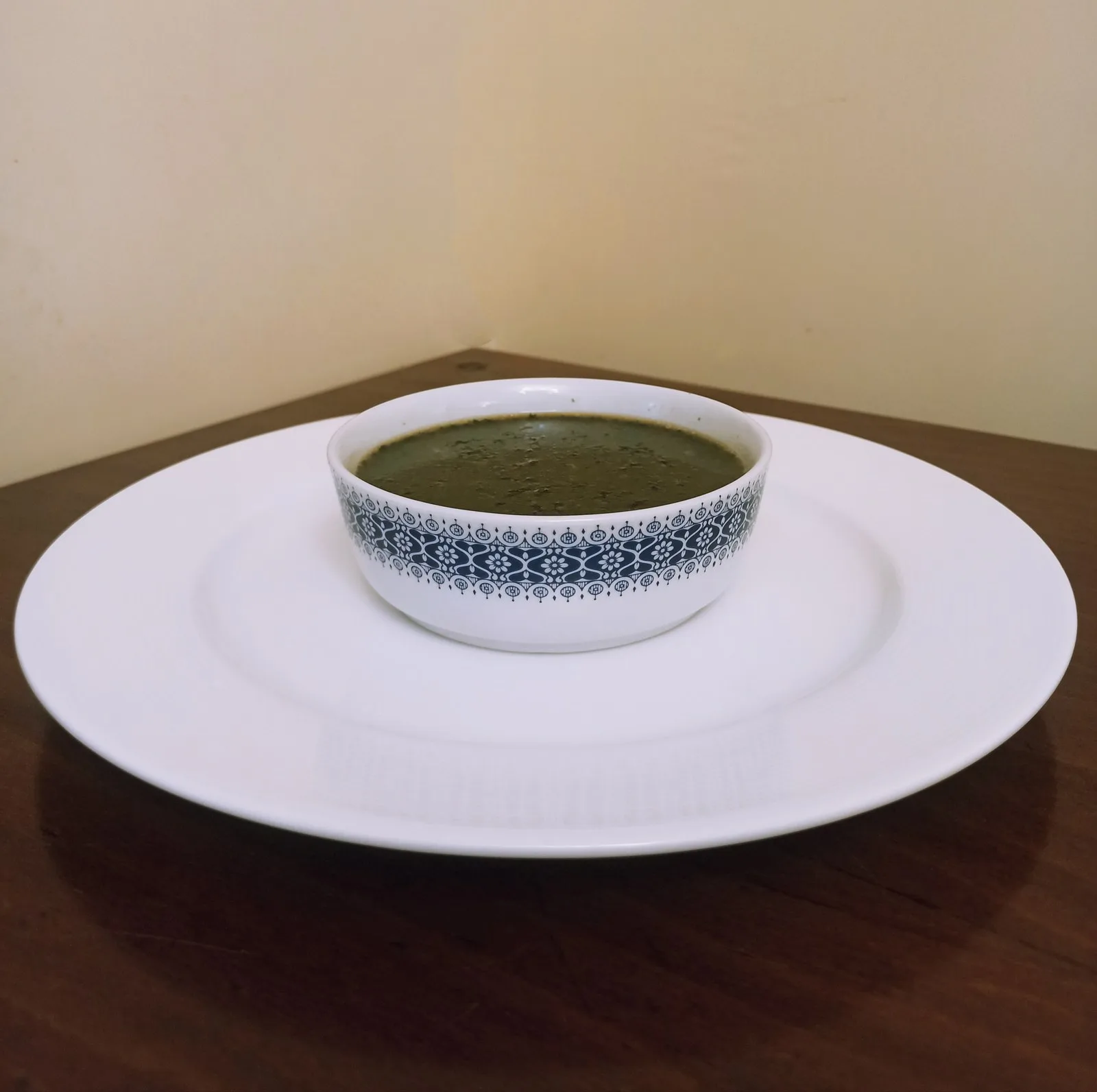
Photo: Aseel zm / CC BY-SA 4.0
How to Cook Mulukhiyah: Chicken, Garlic Tarqa, Rice
Open a bag of frozen mulukhiyah for the first time and it looks like chopped spinach with ambitions. Cook it, and it turns into a thick, glossy green stew that some people love on sight and others need a spoonful to understand. If you want to know how to cook mulukhiyah without it going wrong, the answer is mostly about four things: chopping, broth, heat and a last-second garlic tarqa (the sizzling garlic added at the end).
This post follows the mulukhiyah recipe in our library, which serves 4 and takes about 55 minutes. We also look at how Egyptian and Levantine cooks handle it differently, because those are the two traditions most home cooks, including in the Gulf, are following.
What you are cooking
Mulukhiyah is made from the leaves of the jute plant (Corchorus olitorius, also called Jew's mallow). Wikipedia traces the dish to Ancient Egypt, and a 14th-century Egyptian cookbook describes it as a meat stew. The leaves are bitter raw and release a thick, mucilaginous broth when boiled, which is the "slimy" texture people mention. It is a thickened stew, not a soup you sip.
Our recipe describes the Levantine and Egyptian household version made in Gulf homes. We could not find a source that describes a distinct Gulf method, so we don't claim one.
Ingredients for four
- 500 g (1.1 lb) mulukhiyah leaves, finely chopped, fresh or frozen. Spinach works as a substitute in our recipe
- 600 g (1.3 lb) chicken
- 6 cloves of garlic
- 3 tbsp chopped coriander
- 2 tbsp ghee
- 300 g (1.5 cups) rice, cooked plain, to serve
- Salt to taste
- 1 lemon, optional
Frozen leaves are already chopped, which makes them the easier choice if you can't find fresh. Check the pack for the cooking instructions it gives, because some products are sold dried or powdered.
How to cook mulukhiyah, step by step
- Make the broth. Boil the chicken in 1.2 litres (5 cups) of water with salt for about 25 minutes. Lift it out and keep the liquid. Check the thickest piece reaches 74 C (165 F).
- Shred the chicken and return it to the broth.
- Add the leaves. Bring the broth back to a boil, stir in the chopped mulukhiyah, and simmer for about 10 minutes, until it thickens slightly.
- Make the tarqa. In a small pan, sizzle the crushed garlic and chopped coriander in the ghee for 30 seconds, then stir it straight into the pot.
- Finish. Season with salt, squeeze in lemon and serve over plain rice.
The garlic is the part not to rush or skip. Thirty seconds is short, and a pale garlic is a flat one, but burnt garlic turns bitter in the whole pot. Take the pan off the heat the moment it smells strong.
Egyptian and Levantine, side by side
According to the Wikipedia article on the dish, the two styles differ in small but real ways.
| Egypt | Levant | |
|---|---|---|
| Leaves | Stems removed, chopped very fine | Fresh leaves, cooked with the meat |
| Garlic and coriander | Fried separately in ghee or oil and added at the end, still sizzling | Garlic simmered into the broth, coriander added with the leaves |
| Protein | Usually chicken or rabbit | Often chicken, with meat boiled separately |
| Served with | White rice or flatbread, with pickles | White rice and lemon |
Our recipe sits closer to the Egyptian method on the tarqa and the Levantine one on serving with rice and lemon. That's a combination, not a claim of authenticity.
About the texture
The slippery texture is part of the dish, not a mistake. Wikipedia says some cooks reduce it by adding lemon or potato. We use lemon at the end, as the recipe does, and leave out the potato, which we haven't tried.
Two practical points. First, simmer, don't boil hard, once the leaves are in, since the recipe only asks for about 10 minutes of simmering until the stew thickens slightly. Second, thickness is easy to adjust: add a little hot broth or water if it is thicker than you like.
What to serve alongside
Rice does most of the work here. A bowl of plain basmati cooked until the grains are separate is ideal, and How to Cook Basmati Rice So the Grains Stay Separate covers it. Put lemon wedges on the table, and if you like it, some pickled vegetables. A spoonful of labneh next to it is a Levantine habit, though not something our recipe specifies.
If you're deciding between green dishes, palak paneer is the South Asian cousin that uses spinach, and maqluba is a good partner dish if you're hosting a Gulf-style table.
If you can't find mulukhiyah
Our recipe lists spinach as a substitute. It will taste different, because mulukhiyah has its own flavour and its own body, and spinach will not thicken the same way. Call it a green chicken-and-rice stew, not mulukhiyah, and you'll get the right expectation.
Plan for the pot
Degchi lets you mark chicken, garlic, ghee and rice as in your pantry, so the missing item is clear before you shop for the leaves; the pantry demo on the home page works without signing in.
Mistakes to avoid
- Skipping the tarqa and stirring raw garlic in
- Letting the garlic go brown in the ghee
- Leaving the stew on a hard boil after the leaves go in
- Serving it cold on rice that has been sitting out. Cooked rice should be cooled within about an hour if you are saving it, and reheated until steaming hot
Related recipes
Related posts
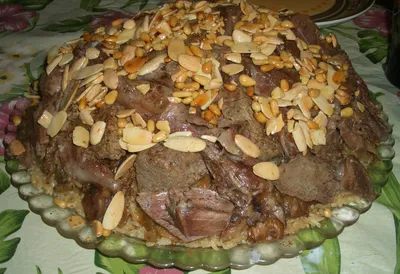
How to Make Maqluba and Flip It Without Breaking
The flip is the only scary part of maqluba. Here is the full cook as a timeline, built around the 10 to 15 minute rest that decides whether the dome holds.
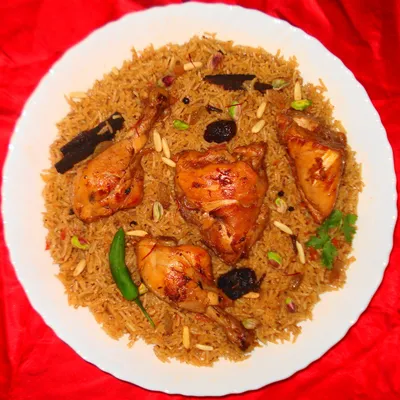
Machboos vs Kabsa: What Is the Difference?
They look alike, taste alike and are often used as synonyms. Here is what actually separates machboos from kabsa, what sources disagree on, and the rice ratio that works for both.
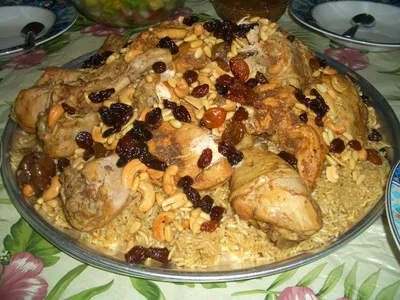
What to Do With Leftover Kabsa or Machboos
A pot of kabsa or machboos almost always makes more than a family eats. Here is how to store it safely and turn the leftovers into a second dinner that does not feel like leftovers.
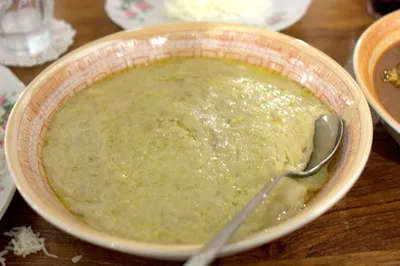
Harees Explained: The Wheat and Meat Porridge of the Gulf
Harees is wheat and meat cooked for hours, then beaten into a smooth, stretchy porridge. Here is what it is, how it differs from haleem, and how to make it, including a quick oat shortcut.