 Degchi
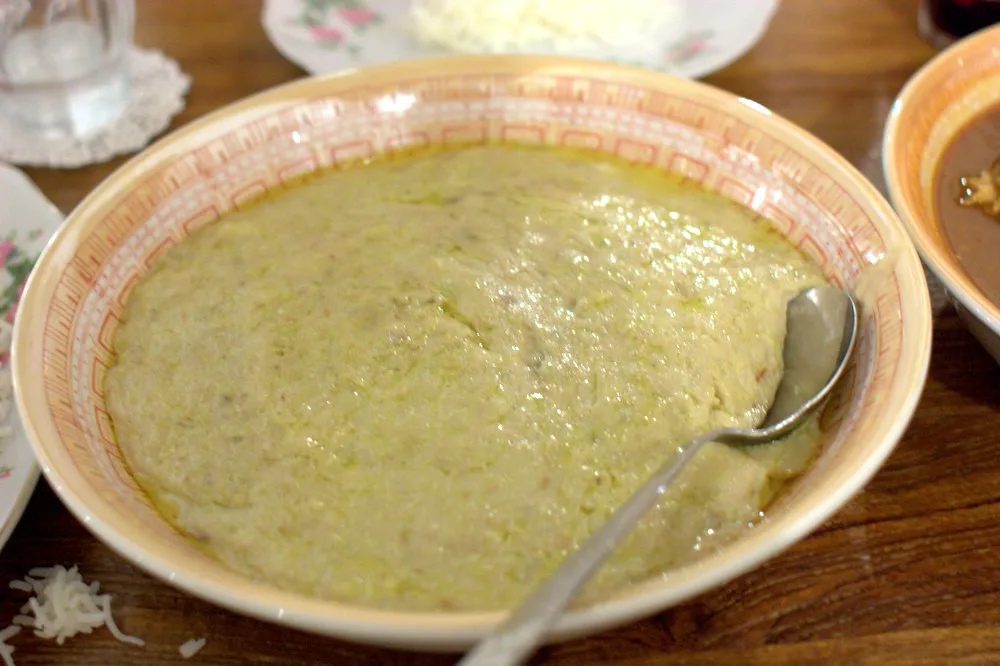
Photo: Krista / CC BY 4.0
Harees Explained: The Wheat and Meat Porridge of the Gulf
What harees is
Harees is one of the oldest-looking dishes in the Arabian kitchen, and also one of the simplest. It is only wheat, meat, salt and fat, cooked for a long time and beaten until the grains and meat melt into a smooth, stretchy porridge. It is served in a bowl with a well in the middle, filled with melted ghee and, often, a dusting of cinnamon and sugar. A savoury version skips the sugar and uses salt and pepper.
In the Gulf, it is closely tied to Ramadan and Eid. Wikipedia says it is commonly eaten in the Arab Gulf states during Ramadan and served at Eid al-Fitr and at weddings. In 2023, UNESCO added "Harees dish: know-how, skills and practices" to its Intangible Cultural Heritage list, with seven countries named as submitters: Qatar, Oman, Yemen, Saudi Arabia, Bahrain, the UAE and Kuwait.
Names and spellings
You will see harees, hareesa, haresa, harisa, jareesh, harise and more. Be careful with "harissa": that is the North African chilli paste, which is an unrelated thing. The Arabic name is often explained as coming from a verb meaning to mash or squash, which fits the way the grain is pounded. That is an etymology offered on Wikipedia, and it is not settled.
A little history, with caveats
Harees is old, but the stories around it are partly legend. Wikipedia cites a cookbook as an early mention and says later recipes appear in 10th and 13th century cookbooks. It also reports an Armenian folk story about a saint feeding the poor with wheat, and an anecdote about a caliph tasting it abroad. The article itself calls the first "medieval Armenian lore" and warns the second should be taken with a grain of salt because it was written centuries after the events. We would treat both as tales rather than history.
Harees and haleem
If this sounds a lot like haleem, that is because they are related. Haleem is generally described as having evolved from harees. When the dish travelled into South Asia during the Mughal era, cooks added local spices, plus lentils and ghee, which made it spicier and more aromatic.
The practical difference when you cook them:
| Harees | Haleem | |
|---|---|---|
| Grains | Wheat only | Wheat, often with barley and lentils |
| Spice | Very mild, salt and maybe cinnamon | Garam masala, chilli, ginger |
| Finish | Ghee, cinnamon and sugar, or salt and pepper | Fried onions, mint, lemon, green chilli |
| Texture | Smooth and stretchy | Thick and mushy, sometimes with shredded meat visible |
Our own pages show both: harees and the South Asian versions Pakistani chicken haleem and Hyderabadi haleem.
How to make it
Our harees recipe serves 4:
- 300 g (1.5 cups) whole wheat berries, soaked overnight
- 500 g (1.1 lb) bone-in meat, in large pieces
- Salt to taste
- 4 tbsp ghee
- 1 tsp ground cinnamon and 2 tbsp sugar, for serving
- About 1.8 litres (7.5 cups) water
The method:
- Rinse the wheat and soak it in plenty of cold water for at least 8 hours. Drain.
- Put the wheat, meat, salt and water in a heavy pot. Bring to a boil and skim off the foam.
- Cover and simmer on very low heat for about 2 hours. Stir every 20 minutes and add hot water if it gets too thick, until the wheat and meat fall apart.
- Remove the bones. Beat the mixture hard with a wooden spoon, or a hand blender, for around 10 minutes, until it is smooth and stretchy and falls from the spoon in ribbons.
- Spoon it into bowls, make a well in each, and pour in melted ghee.
- Finish with cinnamon and sugar, or salt and pepper, and serve hot.
The traditional version uses roughly equal weights of wheat and meat. The beating is the key step. If the porridge looks grainy, keep beating.
The quick oat version
Not everyone has two hours or a day to soak wheat. Our recipe notes include a shortcut that is not the traditional method but tastes very similar:
- Simmer 6 to 8 pieces of boneless chicken with a cinnamon stick and half an onion in 3 to 4 cups of water until tender.
- Shred the chicken.
- Stir in 1 cup of quick oats and cook for about 10 minutes.
- Beat it smooth.
That takes under 30 minutes. It will not have the exact texture of wheat harees, but it is a good weeknight stand-in.
When the porridge goes wrong
- Grainy porridge. Not enough beating, or not enough cooking. Keep going. Add hot water as you beat if it tightens.
- Sticking and scorching. Heavy pot, lowest heat, stirring every 20 minutes. A thin pot will burn the bottom.
- Bland. Salt only really shows once the pot is nearly done, so taste at the end and then add more. The ghee will lift it too.
- Too thick when it cools. It sets as it sits. Loosen it with hot water when reheating.
Serving
Sweet or savoury is a family decision, and a bowl can honestly be both: some people split the well, with sugar on one side and pepper on the other. Harees is rich, so pair it with something fresh and sharp on the side, like pickles or a plain salad.
Planning the 8-hour soak
The 8-hour soak and the long simmer both have timers in the recipe, with metric and US amounts and a servings scaler. The app is free and in closed beta. Join the beta if you would like to try it, or browse the full recipe library first.
Related recipes
Related posts
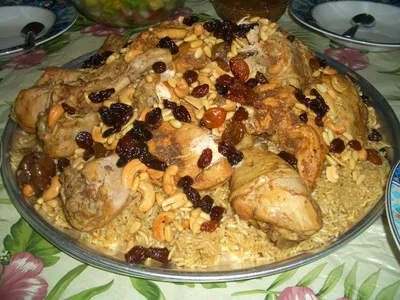
What to Do With Leftover Kabsa or Machboos
A pot of kabsa or machboos almost always makes more than a family eats. Here is how to store it safely and turn the leftovers into a second dinner that does not feel like leftovers.
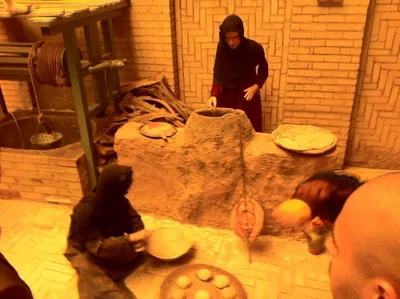
Khubz Tannour at Home Without a Tannour Oven
Khubz tannour is baked on the wall of a clay oven, but a hot home oven gets you close. Here is the dough, the timing and the heat, from our recipe, with honest limits.
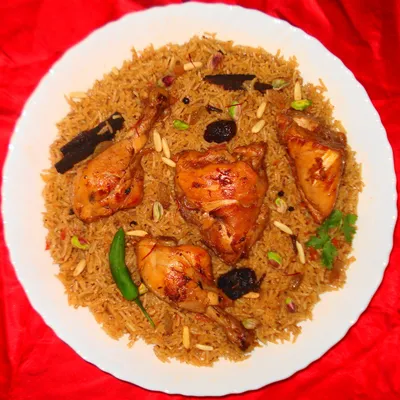
Machboos vs Kabsa: What Is the Difference?
They look alike, taste alike and are often used as synonyms. Here is what actually separates machboos from kabsa, what sources disagree on, and the rice ratio that works for both.
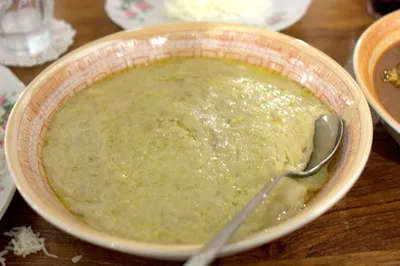
Harees for a Crowd: A Make-Ahead Timeline
Harees is mostly waiting. This post puts the waiting on a clock, shows how to scale our 4-serving recipe for a crowd, and how to keep the pot hot until you serve.