 Degchi
High-Protein Desi Dinners That Still Taste Like Home
Desi food is better for protein than most people think
When people search for high-protein dinners, they often picture plain chicken breast and steamed broccoli. A typical South Asian kitchen already has plenty of protein sources: lentils, chickpeas, kidney beans, eggs, yogurt, paneer, chicken, fish and mutton. The trick is to put the protein at the center of the plate instead of letting rice or bread dominate.
This post is about practical swaps and combinations, not diets. If you have a medical condition or specific nutrition targets, a doctor or registered dietitian should guide the numbers. The amounts below are rough, general figures for planning, not exact nutrition data.
Start with the protein, then add the carb
A simple approach to the plate:
- Choose the protein dish first.
- Add a vegetable dish or salad.
- Add a smaller portion of rice or flatbread than you normally would.
You do not have to change the flavors. You change the proportions.
Five dinners built on protein
1. Chicken tikka with a big salad
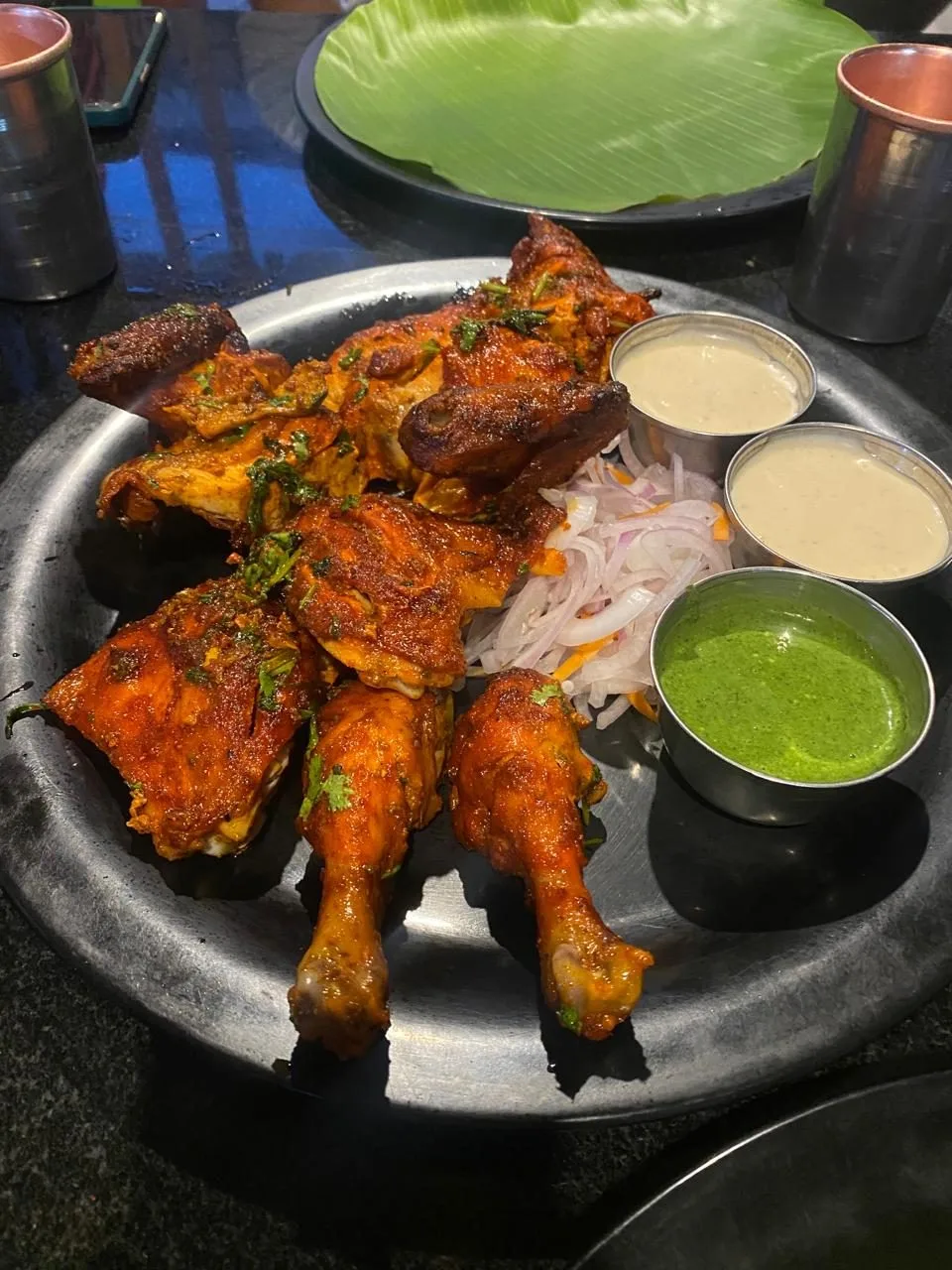
Chicken tikka (about 45 minutes in total on the recipe card, 4 servings) uses a yogurt and spice marinade, which keeps the chicken tender. Serve it with cucumber, tomato and onion salad and a spoonful of raita rather than a heap of rice. If you grill or pan-cook it, check that the thickest piece reaches 74 C (165 F) before serving.
2. Chana masala with an egg on the side
Chana masala is chickpeas in a spiced tomato gravy. It is filling, inexpensive and good for vegetarian nights. Add a boiled egg or a side of yogurt, and you have a more complete plate.
3. Paneer bhurji with roti
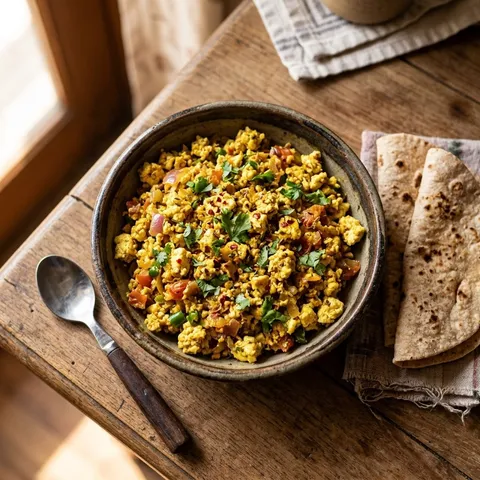
Paneer bhurji takes about 25 minutes in total. Crumbled paneer cooked with onion, tomato and spices is quick and satisfying. One roti and a vegetable side is enough for most adults.
4. Moong daal with a vegetable tarka
Moong daal is the gentlest lentil dish and cooks in about half an hour. It is light, so many people like to pair it with a second protein, such as an egg or a bowl of yogurt, to make a fuller dinner.
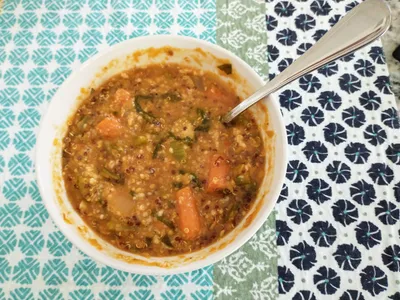
5. Egg curry with a lentil soup starter
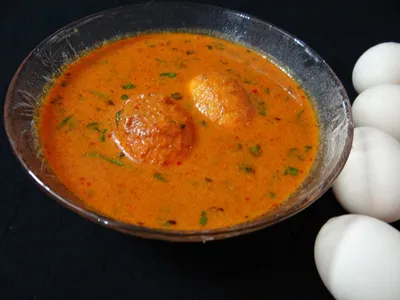
Anda curry (about 40 minutes, 4 servings) is a reliable weeknight meal. Start the meal with a small cup of thin lentil soup and you add another source of protein without much effort.
Easy ways to raise protein without a new recipe
- Stir a handful of cooked lentils or chickpeas into vegetable dishes and rice dishes.
- Use strained yogurt (thick yogurt) in marinades and raita instead of thin yogurt.
- Add an egg to khichdi, fried rice or a bowl of daal.
- Mix lentils into dough. A spoonful of fine chickpea flour (besan) in roti dough is a traditional option, although it changes the texture a little.
- Choose paneer or tofu as a swap for potato in some vegetable dishes, in moderate amounts.
- Snack on roasted chickpeas, boiled eggs or a lassi instead of biscuits.
Combining plant proteins
Lentils and beans are good protein sources. Eaten with rice or bread across the day, they supply a good mix of amino acids; you do not need to combine them in one meal. If your family is vegetarian, vary the sources across the week: lentils, chickpeas, kidney beans, soy, dairy and eggs if you eat them.
Portion guidance, in plain terms
A common palm-sized portion of cooked meat or paneer is roughly 100 to 120 g (3.5 to 4 oz). A cup of cooked lentils or chickpeas is about 160 to 200 g (a little over half a pound). These are everyday guidelines, not strict rules. Children and adults need different amounts, and active teenagers often need more than they get at dinner. Offer seconds of the protein dish, not just the rice.
Food-safety notes for protein-heavy cooking
- Cook chicken to 74 C (165 F) in the center; ground meat to 71 C (160 F) for beef, lamb and pork, and 74 C (165 F) for ground poultry.
- Keep raw chicken on its own board, and wash hands and surfaces afterward.
- Chill leftovers within 2 hours (1 hour in hot weather) and eat them within 3 to 4 days.
- Eggs for children, older adults, pregnant people and anyone with a weakened immune system should be cooked until both white and yolk are firm.
- Dried kidney beans must be soaked and boiled hard for at least 10 minutes before simmering, because raw or undercooked kidney beans can make you ill. Canned beans are already cooked.
Planning a week
A simple pattern many families like:
| Day | Protein focus |
|---|---|
| Monday | Lentils (moong or masoor) with an egg |
| Tuesday | Chicken tikka with salad |
| Wednesday | Chana masala, vegetables |
| Thursday | Paneer bhurji or egg dish |
| Friday | Family choice |
That repeats the protein groups without repeating the dish.
Using what you have
If your pantry already has lentils, chickpeas and eggs, you are halfway there. An app like Degchi, an Android app supported by ads, can suggest dishes from the items you mark as available, which is helpful on days when you are not sure what to cook. Whether you use an app or a paper list, the goal is the same: cook the protein first, and let the rest of the plate follow.
Recipes with eggs Recipes with paneer
Related recipes
Related posts
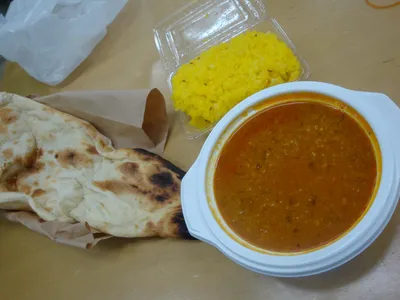
What Can I Cook With Red Lentils (Masoor)? 7 Dishes From a 30-Minute Daal to Haleem
Red lentils (masoor) are the fastest lentil in the cupboard. Here are seven dishes from our recipes, from a 45-minute daal to an all-day haleem, with storage and swap tips.

Chai Colour Guide: What Amber, Red-Brown and Pink Mean
The colour of a cup of chai tells you which tradition you are in and whether the boil went right. A guide to amber, red-brown, pale beige and pink, with the clues from our recipes.

10 Kitchen Tools a Desi Kitchen Actually Uses
A new kitchen, a small budget, a lot of gadgets on sale. Ten tools that pay for themselves in desi cooking, and five that mostly gather dust.

Mango Lassi at Home: Fresh, Frozen or Tinned Pulp
Mango lassi is easy until the mango is sour, stringy or out of season. Here is how to adjust for each kind of mango, with amounts that match our recipe page.