 Degchi
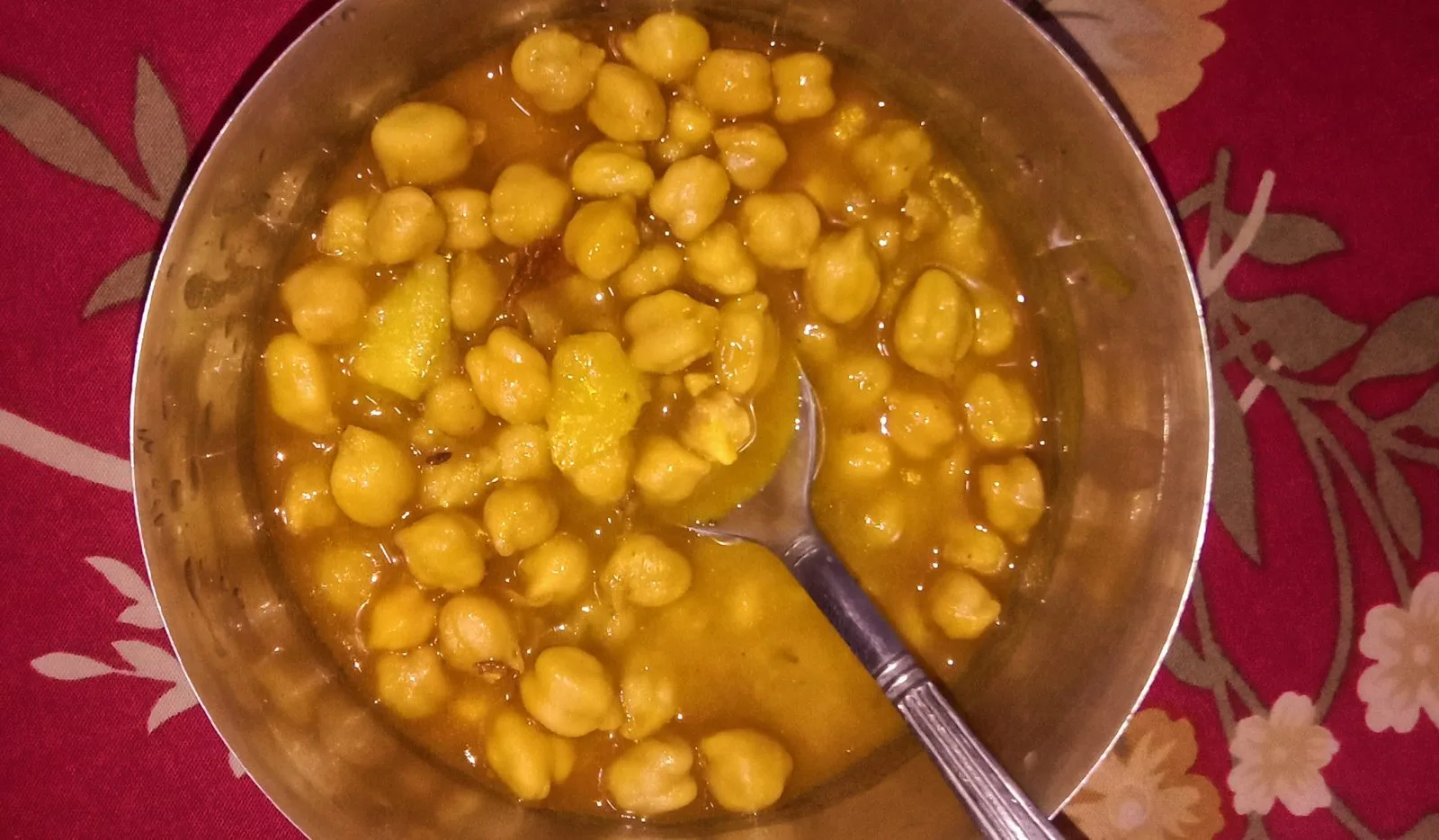
Photo: Billjones94 / CC BY-SA 4.0
10 Kitchen Tools a Desi Kitchen Actually Uses
You do not need a drawer of gadgets
Open any new-kitchen shopping list and you find a garlic press, a mandoline, a spiralizer and a dozen things that never touch your cooking. Desi food, though, asks for a small, odd set of tools: ones that handle high heat, hot oil, and a lot of chopping.
This is the short list we would buy first, in the order we would buy them.
The ten
1. A heavy karahi or kadai. A 28 to 30 cm (11 to 12 in) wide pan, steel or cast iron, holds a karahi for four. The thick base is what lets the masala fry without catching. See our karahi pan comparison.
2. A flat tawa. For roti, paratha and tandoori-style bread. Cast iron or thick iron if you want browning, non-stick if you want less oil. Tawa types explained.
3. A small tadka pan. An 11 to 14 cm (4.5 to 5.5 in) steel pan with a long handle for heating ghee and cumin in under a minute. Without it people use a spoon over a flame, or a full-size pan that burns the spices. A tadka is the finishing stroke on daal and it takes about 60 seconds, so a small pan matters.
4. A pressure cooker. 3 L for one or two people, 5 L for a family. It turns chickpeas and mutton from a two-hour job into a short one. Instant Pot or stovetop?
5. A heavy-bottom pot with a tight lid. For biryani, pulao and dum. Thin pots scorch the rice at the bottom.
6. A good chopping board and one sharp knife. Desi cooking is an onion-heavy cuisine. A knife around 18 to 20 cm (7 to 8 in) and a board that does not slide is a better purchase than any chopper. <!-- VERIFY: knife length is a common recommendation rather than a rule. -->
7. A mortar and pestle, or a small grinder. For crushing whole spices, ginger-garlic and coriander seeds. A cheap electric spice grinder does the same for powders. See grinder vs mortar vs blender.
8. A slotted spoon and a long flat spatula (palta). Frying pakoras, turning parathas, scraping the bottom of a bhuna. A steel palta with a thin edge goes under a paratha without tearing it.
9. A strainer or colander. For rinsing rice and lentils. Rice should be rinsed until the water runs mostly clear. Daal needs a couple of rinses to remove dust and foam.
10. A set of measuring spoons and a scale. A kitchen scale (grams) is the single biggest fix for "my recipe never tastes the same twice". See grams to US cups.
What to skip, at least at first
- A rice cooker if you already own a heavy pot, unless you cook rice daily, then it is a good buy.
- Non-stick everything. High-heat desi cooking wears the coating quickly. Keep a non-stick pan for eggs and one tawa at most.
- A food processor if you have a blender. For ginger-garlic paste and onion masala a basic blender works.
- Specialty pans like idli stands, dosa tawas or modak moulds, until you cook those weekly.
- A giant spice rack. A single masala dabba with seven spices does most of the work.
A budget order of buying
| If you have | Buy next |
|---|---|
| Nothing | Karahi, tawa, knife, board |
| The basics | Pressure cooker, tadka pan |
| A growing menu | Grinder, scale, heavy pot |
| A big family | A second large pot |
One more habit
Every tool above cooks better if the pan is the right size for the dish. A chana masala at 45 minutes simmer behaves differently in a wide pan, where it dries out, than in a deep pot, where it stays saucy.
Match the tools to the week
Pick three dishes and check you own what they need. If you want a quick idea, Degchi lists what you can cook from your pantry. A shopping list of tools should never be longer than a shopping list of food.
How to test a pan before you commit
Whatever you buy, check three things in the shop or in the first week. Lift it: a karahi you cannot lift one-handed with food in it is too heavy for daily use. Tap the base: a thick base gives a dull sound and a thin one rings. Look at the handle: riveted steel handles survive years of oil and heat, while glued or screwed plastic ones loosen and go soft near a flame. Handles that stay cool matter most on the tadka pan, which you grab with a wet hand at the busiest moment of the meal.
Where to spend and where to save
Spend on the things that touch heat for long periods: the karahi, the tawa and the heavy pot. A good one lasts decades, and a thin one is replaced every two years. Save on spoons, strainers and boards, where a cheap version works nearly as well as an expensive one. If you can only afford one upgrade, make it the knife, because most of the time you spend cooking is spent chopping onions.
Related recipes
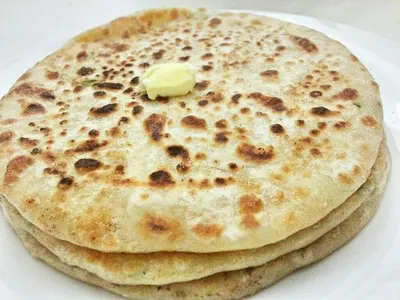
Related posts
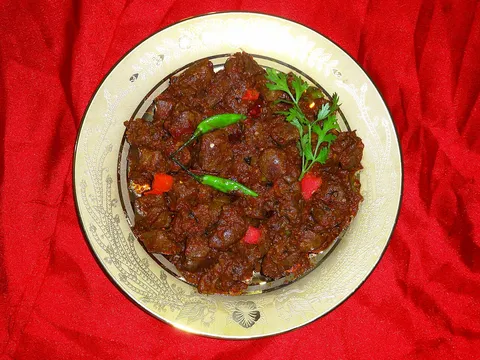
"Katakat at Home: Tawa Timing, Liver and the Chop"
"The clanging spatulas are half the appeal. Here is how to get katakat right on a home tawa without turning the liver to rubber."
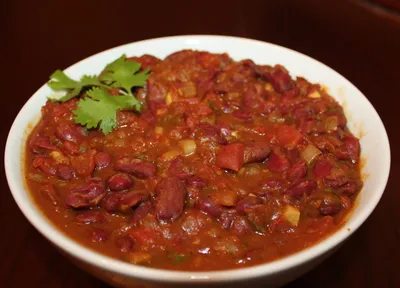
Pressure Cooker Gasket and Valve Care: When to Replace
Steam hissing from the lid edge or a cooker that never whistles usually means a worn gasket or a blocked vent. A short check routine fixes most of it.
Instant Pot vs Stovetop Pressure Cooker for Desi Food
An electric pressure cooker and a stovetop whistle cooker both soften rajma. They differ on bhuna, timing and how much you can walk away. A plain comparison.
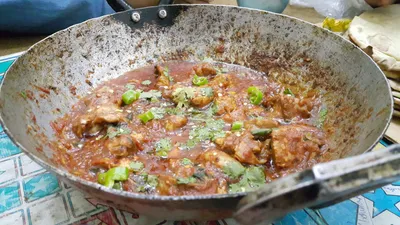
Induction vs Gas Hob for Desi Cooking: Roti, Karahi, Dum
Induction hob in a rental flat, gas at your mother's house. Here is what actually changes for roti, karahi, bhuna and dum, and which habits to adjust.