 Degchi
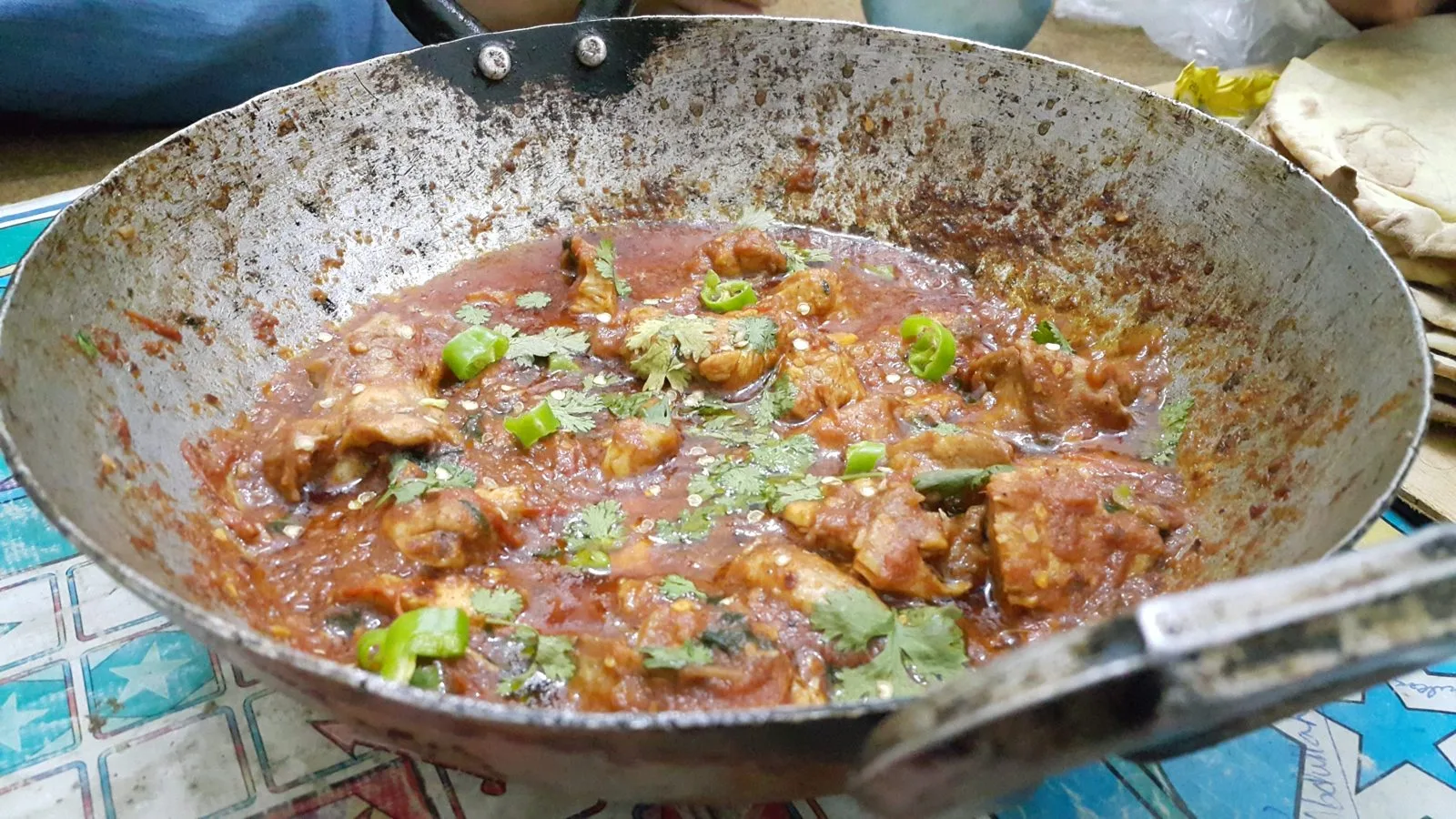
Photo: Kskhh / CC BY-SA 4.0
Steel vs Cast-Iron vs Non-Stick Karahi for Tomato Gravy
Chicken karahi asks a lot from a pan. It wants high heat to sear, then acidic tomatoes to simmer for 15 minutes, then high heat again to drive off water until oil floats. If your karahi sticks, tastes metallic or loses its coating, the material is likely part of the story.
Here is how the three common materials behave under those conditions. The reasoning draws on how metals and coatings work and on our own recipe steps, not on a lab comparison.
What our karahi recipe demands
Our karahi recipe tells you to heat the oil until it shimmers, and fry ginger-garlic paste for 20 to 30 seconds. Chicken goes in next, cooked on high heat for 6 to 7 minutes with stirring every minute. Chopped tomatoes, slit green chillies, chilli powder and salt follow, with no water added. You cover and cook on medium heat until the tomato breaks down and oil floats, then uncover, go to high and stir for 3 to 4 minutes until the gravy clings.
That means three heat levels, a long acidic simmer and a final high-heat reduction. A good karahi handles all three without scorching.
Stainless steel
Heat. Steel conducts heat poorly by itself, so quality steel karahis have an aluminium or copper layer in the base. A thin single-layer steel pan creates hot spots and burns the masala. A tri-ply or thick-base karahi is far steadier.
Sticking. Steel sticks if the oil is not hot enough when the chicken goes in, or if you move the meat too early. Preheat the karahi properly, then add oil, then let the oil shimmer before the chicken. Browned bits on the base are flavour. A splash of tomato juice lifts them as the gravy cooks.
Acid. Steel is non-reactive, meaning tomatoes do not change colour or taste. It is the safest material for long acidic simmers.
Care. Dishwasher safe in most cases, and rugged. Use any utensil.
Verdict. The most forgiving all-round choice if the base is thick.
Cast iron
Heat. Heavy, slow to heat and slow to cool. Once hot, it holds heat well, which suits the sear and the final reduction.
Sticking. A well-seasoned pan releases chicken fairly well. A poorly seasoned or new pan can stick badly.
Acid. Here is the catch. Acidic food cooked for a long time in bare or lightly seasoned cast iron can strip the seasoning, and the food may taste metallic. Long tomato simmers are the usual culprit. Enamel-coated cast iron avoids this and is a better match for tomato gravies, though it chips if you overheat it dry or use metal tools hard.
Care. Dry it right after washing and rub a thin film of oil over it. Do not soak it.
Verdict. Great for the sear and the dry finish, but if you use bare iron, keep the covered tomato stage short, or choose enamelled iron. A pan with a good seasoning layer handles occasional tomato dishes better than a new one.
Non-stick
Heat. Usually thin aluminium with a coating, so it heats fast and unevenly.
Sticking. Excellent, which suits low-oil cooking and eggs.
High heat. This is where it struggles with karahi. Many coating makers advise against sustained very high heat or heating an empty pan, since the coating can degrade. A karahi sear is exactly that kind of heat. Read the maker's maximum temperature, and if you cannot find one, treat non-stick as unsuited to the first high-heat sear.
Acid. Generally fine for tomatoes while the coating is intact. Scratched coatings should be replaced.
Care. Wooden or silicone utensils, gentle washing, no metal scourers.
Verdict. Better for gentle gravies like chicken handi, with its medium-high start, a low covered cook and a cream finish, than for a charred karahi.
Side by side
| Stainless (thick base) | Cast iron | Non-stick | |
|---|---|---|---|
| High-heat sear | Very good | Very good | Not recommended |
| Even heat | Good with a bonded base | Good once hot | Fast but uneven |
| Long tomato simmer | Safe | Risky if bare | Fine if coating is intact |
| Sticking | Moderate | Low when seasoned | Very low |
| Care | Easy | Needs seasoning care | Gentle care |
The shape matters too
A wok-shaped karahi, rounded and deep, concentrates heat at the centre, so you can reduce the gravy to the centre while keeping fresh tomato on the sides. A flat-bottomed pan loses that effect and spreads the gravy thin. Our post on handi vs karahi explains how the shapes differ, and restaurant-style chicken karahi at home walks through the method.
On a flat electric or induction hob, a round-bottom karahi wobbles and heats only at the contact point. Pick a flat-based version or a wide, heavy pan.
Dishes beyond karahi
Other tomato-based gravies benefit from the same thinking. Butter chicken and chana masala are tomato-based, so if you simmer them for long, steel or enamel is safer than bare iron. For roti and paratha, which are a different job entirely, see our guide to tawa types.
How to decide
- Cook karahi often, on gas, and want charred chicken: thick-base stainless steel.
- Already own a seasoned or enamelled cast-iron pan: use it for the sear, and keep tomato simmering time modest if it is bare.
- Cook mostly cream gravies and low-oil dishes: non-stick for those, and a separate steel pan for karahi.
If you only buy one, a thick-base stainless-steel karahi with a tight lid is the safest starting point. To see which tomato gravies your pantry covers, Degchi matches your pantry to recipes.
Related recipes

Related posts
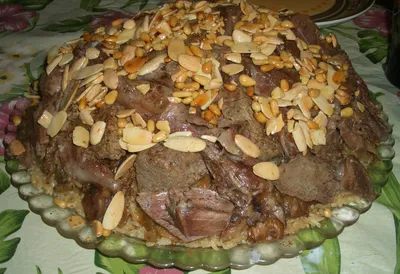
How to Make Maqluba: The Upside-Down Rice Dish
Maqluba means upside down. Fried vegetables, chicken and rice are layered in a pot and flipped onto a platter. Here is how to build it so it holds together.
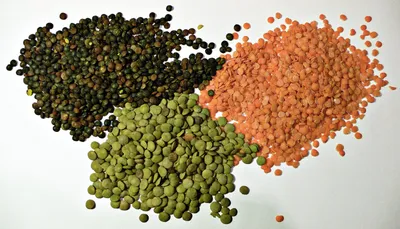
Pressure Cooker Lentils: Times, Ratios and Safety Tips
A pressure cooker turns an hour of simmering into 15 minutes. Here are practical times, ratios and the safety rules that keep it trouble-free.
Karak Chai vs Doodh Patti: What's the Difference?
Both are strong milk tea boiled hard. The split is where the water goes: karak chai builds on water, doodh patti on milk alone. Here are the numbers.
Umm Ali Recipe: How to Make It at Home in 40 Minutes
Umm Ali is a warm Egyptian bread pudding made from torn pastry, milk, nuts and cream. Here is our recipe, what each step is doing, and what to watch for.