 Degchi
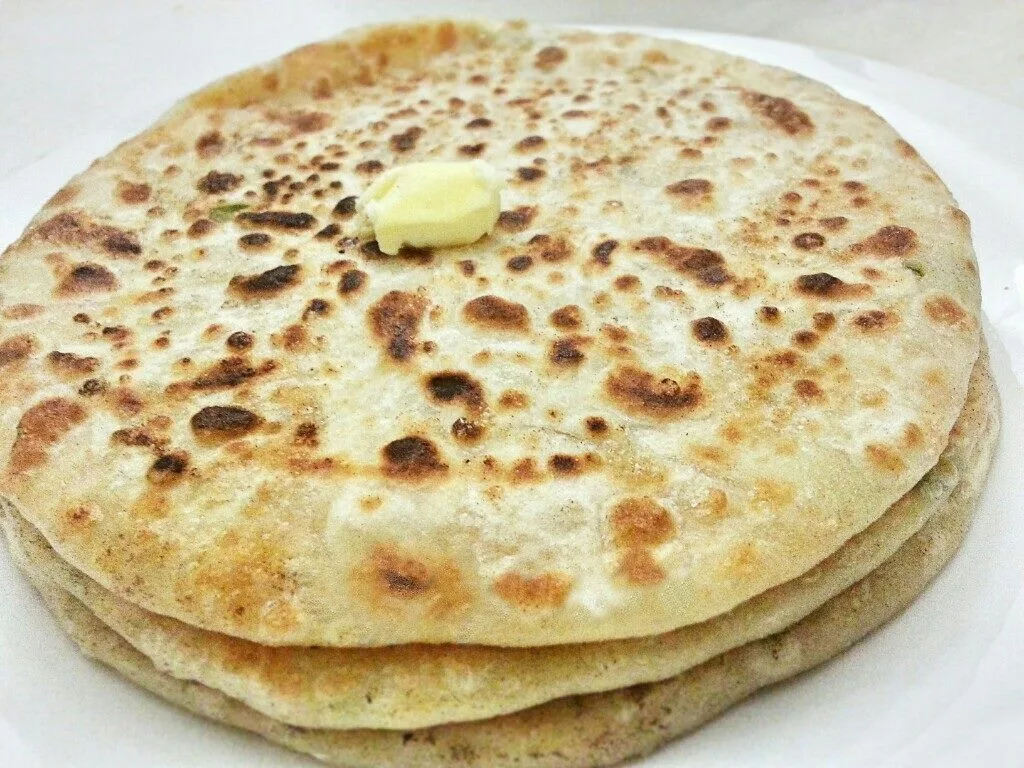
Photo: Affaf Ali / CC BY-SA 4.0
Which Tawa for Roti and Paratha? Iron, Cast Iron or Non-Stick
The pan decides the puff
If your rotis come out stiff or your parathas stick and tear, the dough gets the blame, but the tawa may be the cause. A tawa is a flat or slightly curved griddle, and different materials hold and spread heat very differently. Our library has flatbreads like aloo paratha, lacha paratha and anda paratha. Here is what each pan is good at.
Materials compared
| Tawa | Heat holding | Weight | Best for | Care |
|---|---|---|---|---|
| Iron (thin, flat) | Medium | Light | Soft rotis, chapatis | Season, dry well |
| Cast iron (thick) | High | Heavy | Parathas, dosa, steady browning | Season, never soak |
| Non-stick | Low to medium | Light | Beginners, less oil | Do not overheat, replace in years |
| Aluminium | Fast heating, uneven | Light | Quick rotis | Hot spots, can warp |
| Stainless clad | Medium to high | Medium | All-rounders | Needs oil to avoid sticking |
| Concave (curved) iron | High at centre | Medium | Tandoor-style roti, naan, with a flame | Needs gas flame |
For soft everyday roti
A thin iron tawa heats and recovers fast. You cook the roti for 20 to 30 seconds per side, then puff it over an open flame or on the tawa with a folded cloth. A tawa that is too thin warps. A tawa that is too thick holds so much heat that rotis brown before they puff. 25 to 30 cm (10 to 12 in) is a good family size.
If your rotis are hard after cooking, the tawa heat may be too low and the dough is drying out. The hard roti guide lists other causes.
For parathas
Layered parathas need steady heat and some weight. A cast iron or thick clad tawa gives even browning and holds temperature when cold dough lands on it. Cook on medium, brush ghee on both sides, and cook 2 to 3 minutes per side. For the layering technique see layered paratha at home.
For dosa
Cast iron is the traditional choice, but a good non-stick works better for beginners, because the batter does not stick. Cast iron needs seasoning with oil and a first dosa to sacrifice. See crispy masala dosa at home for batter and heat guidance.
Seasoning a new iron or cast iron tawa
- Wash with warm water and scrub off the factory coating, if there is one.
- Dry fully on the burner.
- Rub a thin layer of neutral oil over the whole surface.
- Heat on medium until it smokes lightly and darkens, about 5 to 10 minutes.
- Let it cool, wipe and repeat 2 or 3 times.
Cut an onion in half, dip the cut side in oil and rub it over the hot tawa for a quick re-season. Rust forms if the tawa is stored damp, so dry it on the burner after washing and wipe with a drop of oil.
Non-stick: use it gently
Non-stick coatings do not like very high heat or metal tools. Overheating an empty non-stick pan can damage the coating and release fumes, which is also a concern for pet birds in the house. Use medium heat, wooden or silicone tools and never leave it dry on a burner. Replace it when the coating is scratched or peeling.
Size and shape
| Cooking for | Tawa size |
|---|---|
| 1 to 2 people | 22 to 26 cm (9 to 10 in) |
| Family of 4 | 28 to 30 cm (11 to 12 in) |
| Large family, paratha lover | 32 cm (12 1/2 in) plus a second pan |
A tawa with a long handle that stays cool is easier to handle; a heavy cast iron tawa needs a sturdy helper handle. Check it sits flat on your burner. A warped or rounded base on an electric or induction hob gives poor contact; look for an induction-compatible label if that is your hob.
What to buy
- One tawa only: a 28 cm cast iron or heavy iron tawa.
- Two tawas: one iron for rotis, one non-stick for dosa and eggs.
- Tight budget: a basic iron tawa, seasoned well, costs little and lasts years.
Mistakes people make
- Washing cast iron with strong detergent and leaving it wet
- Cooking on high from the start
- Using too little oil on a new tawa
- Never preheating: a cold tawa makes dough stick
Degchi can note your cookware alongside your pantry, and the try-it page shows how items are listed.
Related recipes
Related posts
Bangladeshi Home Cooking: 8 Everyday Dishes to Start With
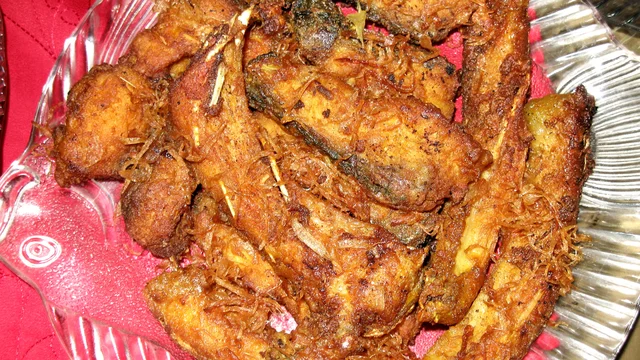
Bangladeshi home cooking is built around rice, fish, lentils, and a handful of techniques used again and again. Here are eight everyday dishes that show what actually fills a Bengali table.
Sunday Meal Prep for Busy Families: A Two-Hour Routine That Works
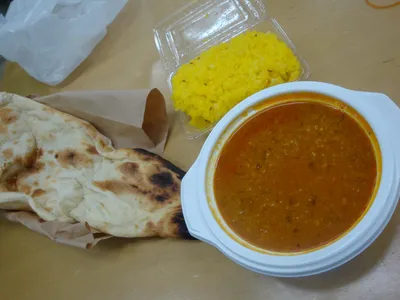
Meal prep does not mean eating the same box of chicken five days running. Here is a two-hour routine that preps components, not whole meals, and leaves room for change.

Halwa Types Compared: Suji, Gajar, Zarda and More
Halwa is a method more than a recipe: fry something in fat, add sugar and liquid, cook until it holds. Here are three versions with the ratios that matter.

Cooking One Dinner for Picky Eaters and Spice Lovers
You do not have to cook two dinners. Cook one base, split it before the heat goes in, and let everyone finish their own plate. A method with real dishes.