 Degchi
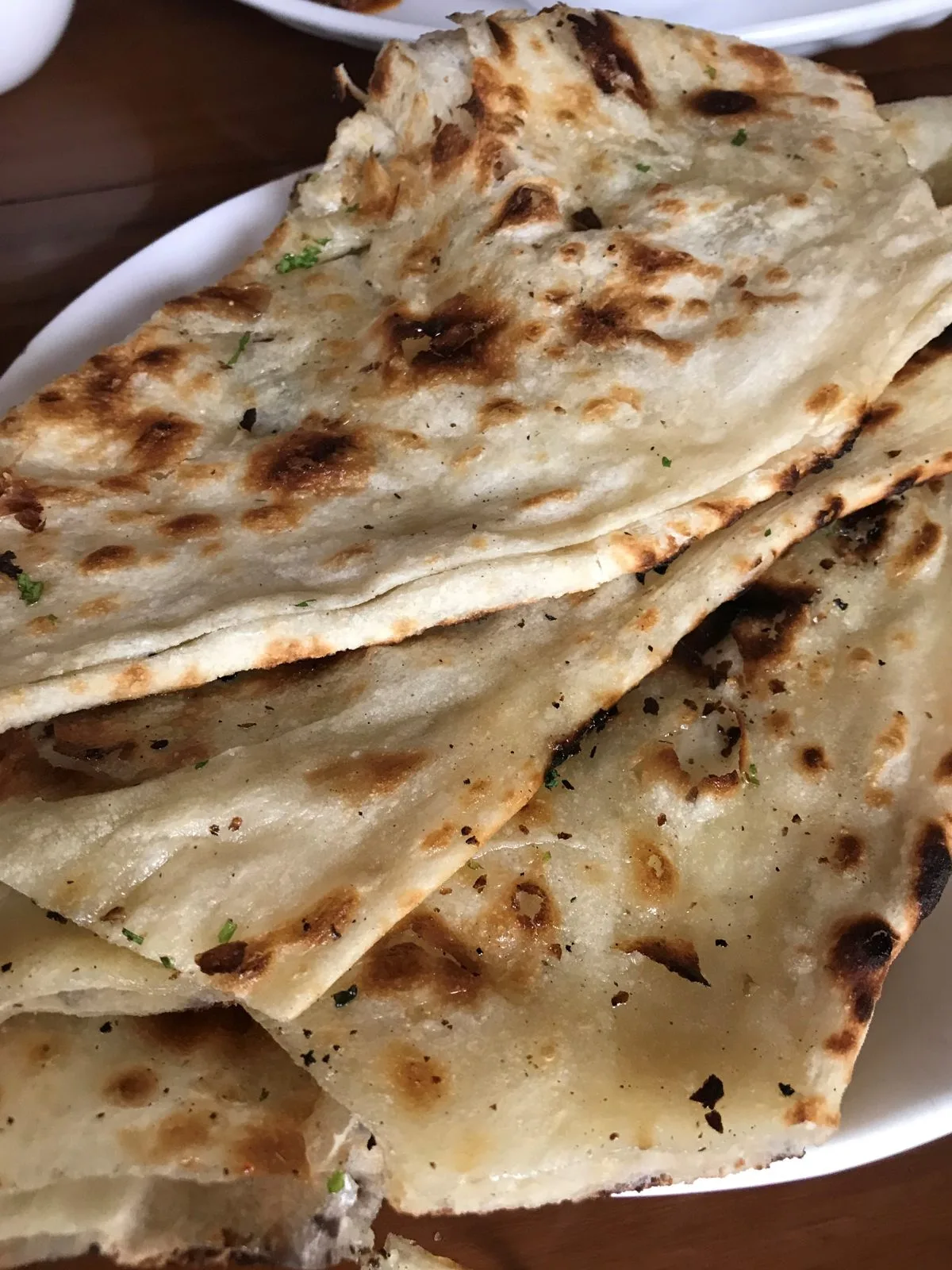
Photo: Rajeeb Dutta / CC BY-SA 4.0
Why Do My Rotis Turn Hard? Dough, Tawa and Storage
The first roti was fine. By the time you sat down, the stack in the cloth was stiff, and the one you tore at the table fought back. Hard, leathery rotis are an extremely common problem, and the cause is usually in one of three places: the dough, the heat, or the wait afterwards.
Stage one: the dough is too stiff or too young
A stiff dough makes a stiff roti. There is not enough water for the flour to hydrate, so the gluten stays tight and the cooked roti turns dense. The Tandoori Roti recipe uses 300 g (about 2 1/2 cups) of whole-wheat flour, adds warm water gradually and kneads "into a soft, smooth dough". The word soft is doing the work there.
A useful test: press a fingertip into the dough. It should leave a dent that slowly springs back. If it feels like clay, add a teaspoon (5 ml) of water, knead for a minute, and test again. Add water in small amounts, because wet dough sticks to the board and makes you add dry flour, which then toughens the roti.
Then rest it. The same recipe rests the dough for 20 minutes, and the Aloo Paratha recipe rests for 15. Resting lets the flour finish absorbing water and lets the gluten relax, so the dough rolls thin without fighting back. If your rotis keep shrinking after you roll them, the dough has not rested long enough. For the full dough method see how to make soft roti dough.
Stage two: rolling
Thick or uneven rotis cook unevenly. The thin edges dry out before the middle cooks, which gives you a crisp border and a doughy centre. Aim for an even round about 2 to 3 mm thick, which is a little under a tenth of an inch, and a diameter of around 15 to 18 cm (6 to 7 inches).
Dust lightly. Too much dry flour on the board burns on the tawa and sticks to the roti, which is a second source of dryness.
Stage three: the tawa
Heat is where many people lose a roti. The tawa should be hot before the first roti goes on. A roti that sits on a lukewarm tawa slowly dries out and turns stiff before it puffs.
A rough timeline for a medium roti on a properly hot tawa:
- First side: 15 to 20 seconds until small bubbles appear. Flip.
- Second side: 30 to 40 seconds, with a few light brown spots.
- Final puff: over a direct flame for a few seconds, or press gently with a folded cloth on the tawa so steam inflates it.
Those times are typical for home cooking, not hard rules, and your stove will vary. The principle is quick and hot. If you cooked each side for over a minute, the roti is probably dry.
Stage four: what happens after the tawa
This is the one people miss. A roti loses moisture the moment it leaves the heat. The Tandoori Roti recipe ends with "keep warm wrapped in a cloth", and that matters. Steam trapped in the stack softens the rotis.
- Stack them in a lined container or roti box as they come off.
- Brush with a thin film of ghee, about 1/2 teaspoon (2.5 ml) per roti, if you like. The fat slows drying.
- Cover with a clean cotton cloth, then the lid.
- Do not leave them uncovered on a plate.
The seven causes at a glance
| Cause | What you notice | Fix |
|---|---|---|
| Stiff dough | Dense, dry roti, hard to roll | Add water by the teaspoon |
| No rest | Shrinks back when rolled | Rest 15 to 20 minutes |
| Too much dusting flour | Dry, pale surface | Dust lightly, brush off excess |
| Rolled thick | Raw middle, hard edge | Roll even, 2 to 3 mm |
| Cool tawa | Stiff, no puff | Heat the tawa before starting |
| Overcooked | Brittle, dark spots | Roughly 1 minute total |
| Left uncovered | Hard in 10 minutes | Wrap in cloth immediately |
Reviving hard rotis
Yesterday's batch can come back, in most cases.
- Steam method: sprinkle a roti lightly with water, about 1 teaspoon (5 ml), wrap in a damp paper towel and microwave for 15 to 20 seconds. Or warm it on a tawa for 15 seconds a side with a little water sprinkled on the pan.
- Oven method: wrap a stack in foil and warm at 150 C (300 F) for about 10 minutes.
- If they are beyond saving, tear them up. Stale roti fried with eggs and onion makes a breakfast, and torn pieces can soak in daal.
Whole-wheat rotis stored for the next day should go in the fridge in a sealed bag if your kitchen is warm. Reheat until steaming hot.
A note on flour and weather
Different whole-wheat flours take different amounts of water. Atta in a humid month can need less than in a dry one. Use the amount in a recipe as a starting point and adjust by feel. If you moved countries and the atta is a different brand or grind, expect to change the water by a few tablespoons.
If you also make naan, remember that Tandoori Naan uses refined flour with yogurt and baking powder, which gives a different, softer crumb than atta, so do not judge one by the other.
Quick checks before dinner
- Dough soft, rested at least 15 minutes.
- Tawa hot before the first roti.
- Cloth and box ready.
- Ghee or butter on the side.
If rotis are on your weekly menu, the Degchi pantry list can flag when atta runs low. You can explore it on the home page.
Related recipes



Related posts
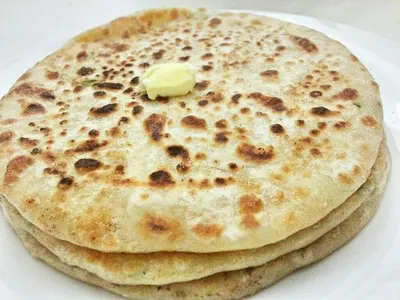
How to Make Paratha With Layers You Can Peel Apart
A flaky paratha is a folding trick, not a talent. Pleat, coil, rest, roll, and let the ghee do the separating.

Falooda at Home: Layers, Basil Seeds and Timing
Falooda is a dessert you build in a glass. The work is in the order: basil seeds first, then vermicelli, then syrup, then cold milk poured slowly, then ice cream last.
Sambar Powder vs Sambar Masala vs Rasam Powder
Three South Indian spice jars with confusingly similar labels. What each is for, what is in it, and what happens if you swap them.

Desi Breakfast Ideas for Busy School Mornings
School mornings leave 20 minutes, not 90. These desi breakfasts are fast, filling and mostly prepared the night before.