Degchi
Bangladeshi Home Cooking: 8 Everyday Dishes to Start With
The shape of an everyday Bengali meal
Bangladeshi home cooking has a famous saying attached to it — "mach e bhat e bangali," fish and rice make a Bengali — and it's a genuinely accurate description of what most everyday meals look like. A standard plate is built in layers: plain rice as the base, a thin dal poured over part of it, a vegetable dish (bhaji or bhorta) on the side, and fish or occasionally meat as the main event, with green chillies and a wedge of lime nearby. None of the eight dishes below are festival food — they're the dishes that actually get cooked on an ordinary Tuesday.
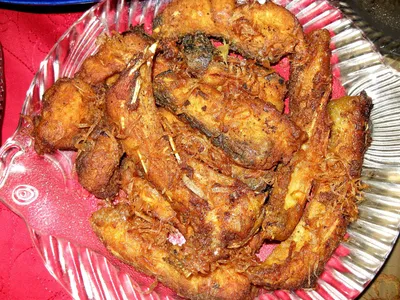
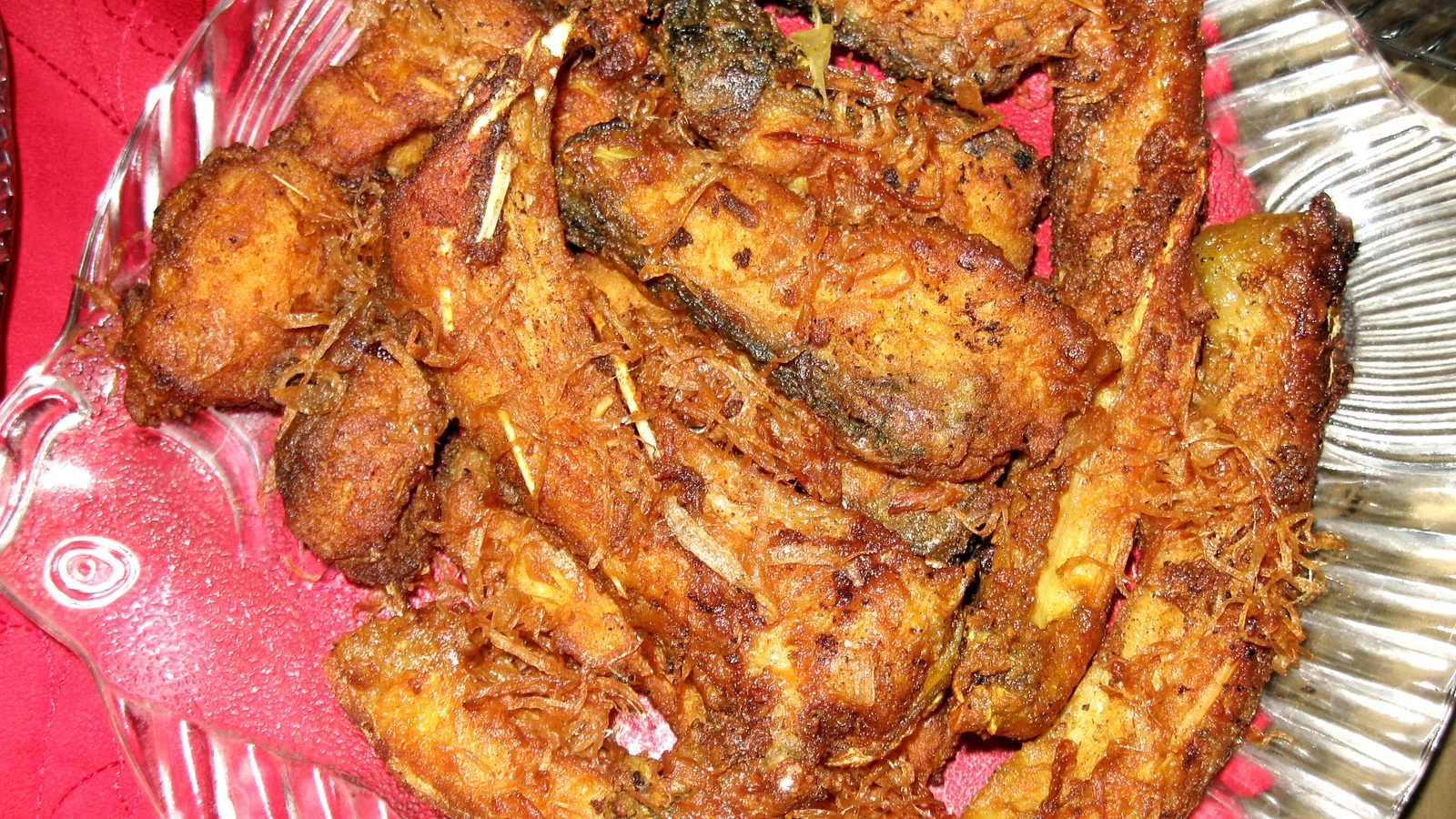
1. Maach Bhaja (fried fish)
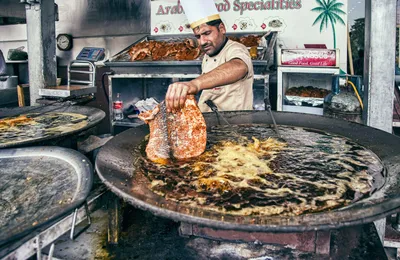
Simple fried fish — usually rohu, hilsa, or another freshwater fish, rubbed with turmeric and salt and shallow-fried until the skin crisps — is the most basic unit of a Bengali meal. It's rarely the star of a special occasion; it's just what goes with the rice most days, and most families keep their own small variations on how long and how hot the oil runs.
2. Dimer Torkari (egg curry)
Boiled eggs simmered in a light onion-tomato gravy, similar in spirit to Pakistani anda curry but typically built with a thinner, more soupy gravy meant to be spooned generously over rice. It's a common answer to "no fresh fish today."
3. Begun Bhorta (mashed eggplant)
Bhorta — a category of mashed, smoky vegetable dishes — is one of the defining techniques of Bengali home cooking. Begun bhorta roasts whole eggplant until the skin blisters, then mashes the flesh with mustard oil, chopped onion, green chilli, and a little salt. The smoky char from roasting is the whole point; it can't be skipped by boiling the eggplant instead.
4. Aloo Bhorta (mashed potato)
The same bhorta technique applied to boiled potato — mashed with mustard oil, chopped onion, and green chilli — is the single most common side dish in Bangladeshi homes, largely because it needs no special shopping and comes together in minutes once the potato is boiled.
5. Chingri Malai Curry (prawn curry in coconut milk)
A richer, more occasion-leaning dish: prawns simmered in a coconut milk gravy, lightly spiced rather than heavily so, letting the coconut and the prawn's own sweetness carry the dish. It shows the coastal, Bay-of-Bengal side of Bengali cooking that inland dishes don't.
6. Bhuna Khichuri (spiced rice and lentil khichuri)
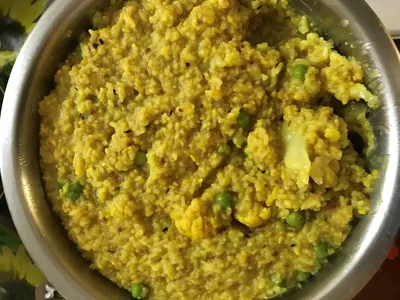
Not the same as the plain khichdi eaten when you're unwell — bhuna khichuri is rice and lentils fried first in ghee or oil with whole spices before water is added, giving it a deeper, roasted flavour. It's the version served on rainy days and at gatherings, often alongside fried eggplant or a simple meat dish.
7. Shorshe Maach (fish in mustard gravy)
Fish cooked in a gravy built from ground mustard seeds — sharp, slightly bitter in a way that mellows with cooking, and distinctly different from a tomato or yogurt-based curry. It's one of the clearest flavour signatures of Bengali cooking on either side of the Bangladesh–West Bengal border.
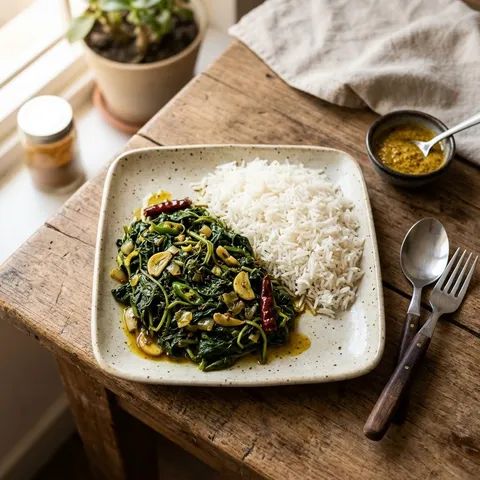
8. Lau Shak Bhaji (bottle gourd leaves/greens stir-fry)
A quick stir-fry of leafy greens, often bottle gourd leaves or another seasonal shaak, cooked simply with onion, garlic, and a little chilli. Greens like this round out the rice-fish-dal structure with something light, and rotate seasonally far more than the rest of the plate.
What ties these together
Mustard oil, a strong reliance on fish over meat for everyday cooking, the bhorta technique for turning a single roasted or boiled vegetable into a full side dish, and rice as the unmoving base of almost every meal — these are the real throughlines of Bangladeshi home cooking, more than any single recipe.
Cooking this style at home
Degchi's catalogue is still growing its Bangladeshi dish coverage, but a few staples already on the app share real technique with this list — Fish Fry uses the same turmeric-and-shallow-fry base as maach bhaja, and a simple Daal or Khichdi gives you the rice-and-lentil backbone that most Bengali plates are built around, before you bring in the bhorta and fish side dishes.
FAQ
What makes bhorta different from a regular mashed vegetable dish?
The smoky char from roasting (rather than boiling) the vegetable first, combined with raw mustard oil mixed in at the end rather than cooked — both together give bhorta its distinctive sharp, smoky flavour that plain mashed vegetables don't have.
Is Bangladeshi food always very spicy?
Not uniformly — everyday home dishes like aloo bhorta or dimer torkari are only lightly spiced, while coastal and mustard-based dishes can run sharper. Spice level varies by dish and region more than it follows one national rule.
What's the difference between bhuna khichuri and plain khichdi?
Plain khichdi is a simple, soft rice-and-lentil porridge, often eaten when unwell or for a very quick dinner. Bhuna khichuri fries the rice and lentils in ghee with whole spices before adding water, giving it a firmer texture and deeper flavour meant for a proper meal, not a comfort-food one.
Can a beginner realistically cook shorshe maach at home?
Yes, with one caution — the mustard paste needs to be made correctly (soaked and ground with a little water, sometimes strained to remove bitterness) or the gravy can turn unpleasantly bitter; most Bengali home cooks learn this by taste-testing the paste before it goes into the pot.
Recipes with potatoes Recipes with eggs Recipes with yogurt Recipes with rice