 Degchi
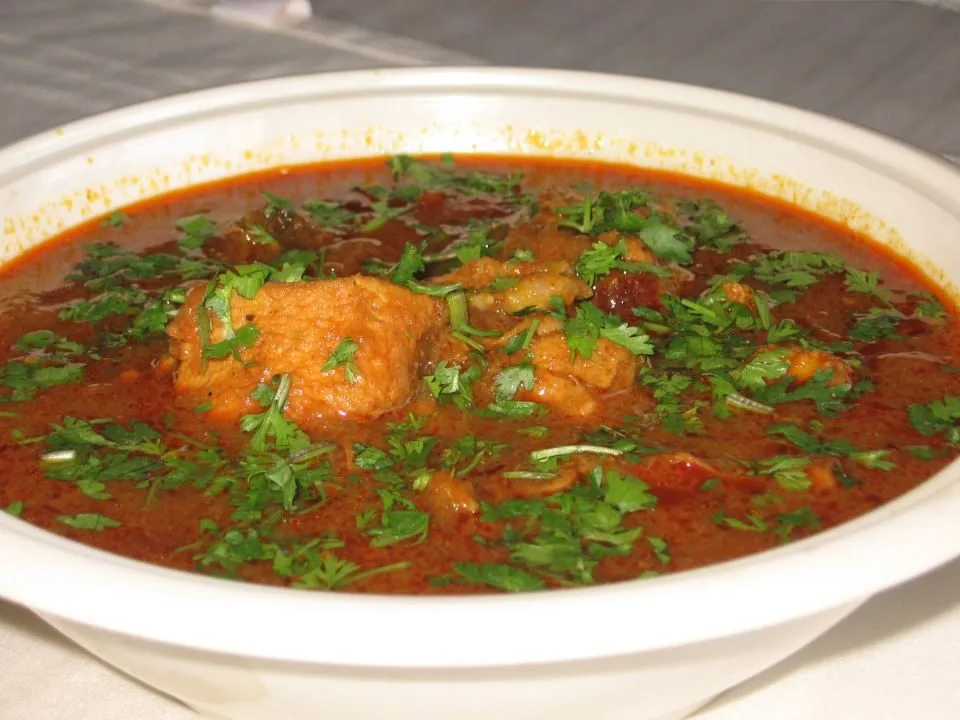
Photo: Vivekprasad97 / CC BY-SA 4.0
Handi vs Karahi: Which Pot, Which Dish?
You want a restaurant-style chicken dinner, the menu in your head says handi, the recipe in your phone says karahi, and you own neither pot. The handi vs karahi question is really two questions: what the pots are, and what the dishes named after them taste and feel like. They overlap more than people admit, so it helps to separate them.
Handi vs karahi: the pots
A handi is a deep vessel with a broad mouth, traditionally copper or clay, made for slow cooking. Some cooks seal the lid with dough so steam stays inside and the food cooks partly in its own moisture. In some regions the same vessel also goes by other names, including karahi and degchi, which is one reason the terms blur.
A karahi (also kadai) is a thick, deep, round pan, like a wok with steeper sides. It is traditionally mild steel or wrought iron, and it is used for frying and for simmered dishes. Think of the karahi as built for high heat and quick stirring, the handi for patience.
That difference in the pot explains the cooking style of the two dishes in our library, even though neither recipe insists on a particular vessel. The handi recipe says "a pot"; the karahi recipe says "a karahi or wide heavy pan".
What the dishes do differently
Put the two recipes next to each other and the logic shows.
| Chicken Karahi | Creamy Chicken Curry (handi) | |
|---|---|---|
| Time | 45 minutes | 55 minutes |
| Chicken | 800 g / 1.75 lb | 750 g / 1.65 lb |
| Starting heat | High, until the oil shimmers | Medium-high |
| Onion | None | None |
| Tomato | 4 chopped | 250 g / 1.6 cup, pureed |
| Dairy | None | 150 g / 0.6 cup yogurt plus 60 ml / 0.25 cup cream |
| Water | None added | None listed |
| Fat | 5 tbsp oil | 3 tbsp oil |
| Finish | Dry, gravy clings to chicken | Rich, creamy gravy |
The karahi is a fast, dry, tomato-driven curry. The handi is slower, gentler and creamier. If you want the long version of the karahi, we wrote a full chicken karahi walkthrough.
How the karahi cooks, step by step
Heat 5 tablespoons of oil on high until it shimmers. Stir in ginger-garlic paste for 20 to 30 seconds, until the raw smell is gone. Add the chicken and cook on high, stirring every minute, for 6 to 7 minutes, until no pink shows outside and the pan releases juices. Add chopped tomato, slit green chillies, chilli powder and salt, and no water. Cover on medium until the tomato breaks down and oil floats, about 15 minutes. Uncover, go high, and stir for 3 to 4 minutes until the gravy clings.
The ingredients are few, so the technique does the work: hard searing, ripe red tomatoes and the final dry-down. Our recipe notes that watery, pale tomatoes give a thin gravy that takes much longer to thicken.
How the handi cooks, step by step
Cook the chicken with ginger-garlic paste and pureed tomato on medium-high for about 10 minutes, then keep going uncovered, stirring often, for about 7 more minutes until the oil separates from the masala. Lower the heat and add whisked yogurt gradually, with the chilli powder and salt. Cover and cook on low for about 15 minutes until the chicken is tender. Stir in the cream and garam masala and simmer about 5 minutes until the gravy turns rich.
The yogurt step is where handis go wrong. Add it off direct high heat and stir constantly so it does not split. And if you want a softer result, the recipe suggests boneless thighs, which stay juicier than breast.
No handi, no karahi: what to use
Honest answer: you probably do not need either. The advice below is our suggestion, not something the recipes require.
- For the karahi: a wide, heavy frying pan or a deep skillet. Width matters more than depth, because moisture has to escape for the gravy to thicken. A crowded narrow pot will steam the chicken.
- For the handi: a heavy-bottomed pot with a tight lid. Thin pots scorch cream and yogurt; a heavy one holds a steady low heat. A dutch oven suits this kind of cooking well,.
- Material: clay and copper handis behave differently from steel pots, but our recipe does not rely on them.
Other dishes that follow the pot
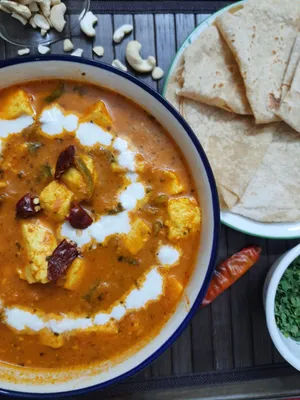
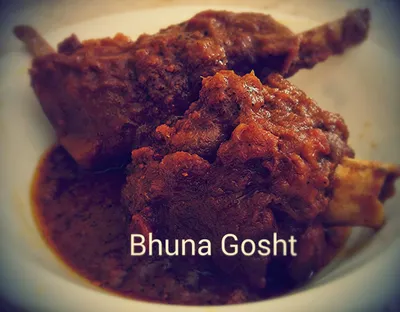
The pot names stretch beyond chicken. Kadai Paneer uses the karahi logic, frying onion and pepper on high for 3 minutes so they stay crunchy, then finishing paneer in tomato masala. On the slow side, Slow-Roasted Mutton Curry (bhuna gosht) fries onion deep golden, simmers covered, then dry-roasts at the end, which is the same fry, braise and dry-down pattern. If you want a creamy, mild dish without a curry, Malai Boti is a grilled option with a cream and yogurt marinade.
Pick by the evening you have
- Under an hour, loud and hot, with naan: karahi.
- Kids, guests who dislike heat, a creamy gravy: handi, minus the green chilli garnish.
- Still undecided: ask if you want it dry or saucy. Karahi is dry, handi is saucy. Decide that first and the pot follows.
Both dishes need about the same pantry: ginger, garlic, tomatoes, chilli powder and chicken. If you want to check what you already have before shopping, Degchi's pantry check lists recipes you can make from your shelf.
Whichever you cook, check the chicken reaches 74 C / 165 F in the thickest piece, and reheat leftovers until steaming hot.
Related recipes
Related posts
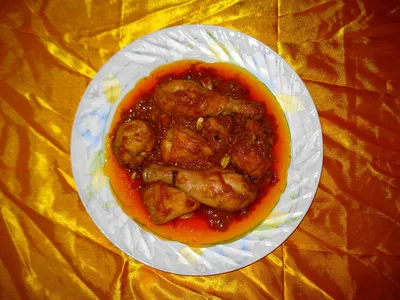
Chicken Qorma vs Korma: What Actually Differs
Qorma and korma are one word spelled two ways, but the two chicken recipes in our library cook very differently. Here is a side-by-side, and which one to make tonight.
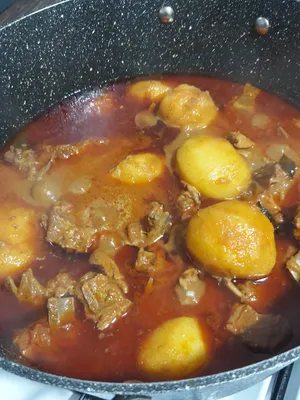
Aloo Gosht Recipe: Pakistani Mutton and Potato Curry
The meat should be nearly tender before the potatoes go in. Everything else about aloo gosht follows from that one rule; here is the full method from our recipe.
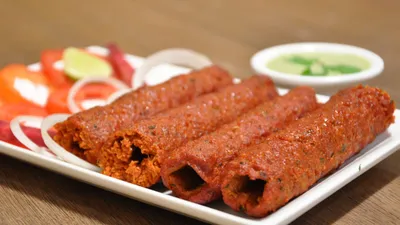
Seekh Kabab Recipe at Home: Juicy, No Tandoor Needed
Dry, crumbly seekh kababs that slide off the skewer are a mince problem, not a tandoor problem. Here is the recipe in our library, step by step, and why each habit matters.
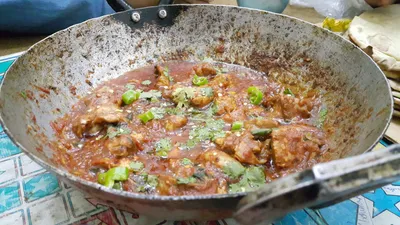
Chicken Karahi Recipe: Dhaba Flavour at Home in 45 Minutes
Karahi is four ingredients of flavour and one pan on high heat. Here is how the recipe in our library gets a thick, oily, charred gravy without any water.