 Degchi
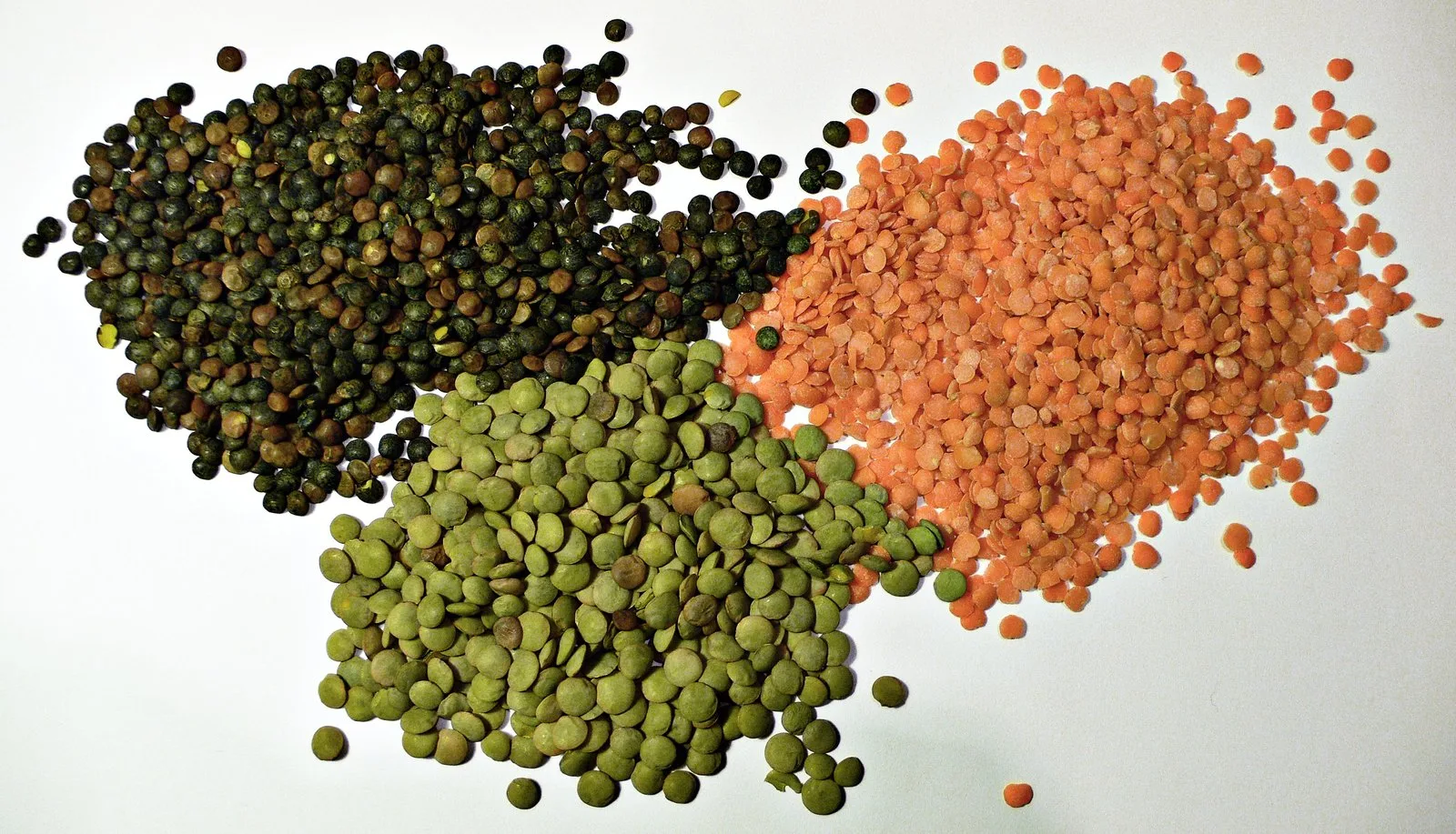
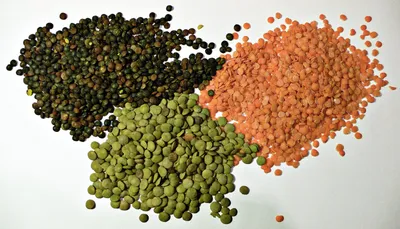
Photo: User:Justinc / CC BY-SA 4.0
Pressure Cooker Lentils: Times, Ratios and Safety Tips
Why use a pressure cooker for lentils
Lentils and beans are the base of the desi kitchen, but dried beans and chana daal can take 45 to 60 minutes or more on the stove. A pressure cooker, whether a stovetop one with a whistle or an electric multicooker, cuts that time sharply and holds in flavor. It is also hands-off: once it is sealed, you can prepare the tadka or the rest of dinner.
The times below are starting points. Altitude, the age of the lentils and your cooker all change the result, so adjust after the first batch.
Know your lentils
| Lentil | Soak? | Approx. pressure time at full pressure | Water (to lentils, by volume) |
|---|---|---|---|
| Masoor (red lentils) | No | 5 to 6 minutes | 2.5 to 3 : 1 |
| Moong daal (split, yellow) | No | 5 to 7 minutes | 3 : 1 |
| Toor / arhar daal | Optional, 30 minutes | 8 to 10 minutes | 3 : 1 |
| Chana daal (split chickpea) | Yes, 1 to 2 hours | 12 to 15 minutes | 3 : 1 |
| Whole moong or mash | Optional | 10 to 12 minutes | 3 to 4 : 1 |
| Rajma (kidney beans), soaked | Yes, overnight | 25 to 30 minutes | 3 : 1 |
| Chickpeas (chole), soaked | Yes, overnight | 20 to 25 minutes | 3 : 1 |
Whistle-based cookers count whistles instead of minutes. Roughly 3 to 4 whistles suit softer lentils, and 6 to 8 suit chana daal and beans, but this depends on the cooker.
Basic method
- Rinse the lentils in several changes of water until the water is mostly clear.
- Soak if the table says so. Drain the soaking water before cooking.
- Add to the pot with water, a pinch of turmeric and a teaspoon of oil or ghee. The oil reduces foaming. Leave out salt for beans (it is fine for soft lentils) if you like very tender results.
- Check the fill line. Do not fill the pot more than half full when cooking lentils and beans, because they foam and expand. Never exceed two-thirds for any food.
- Seal the lid and make sure the vent and valve are clear.
- Bring to pressure and cook for the time in the table.
- Release the pressure (see below).
- Mash or whisk the cooked lentils lightly, then add the tadka.
If the lentils are still firm, close the lid and cook for 2 to 3 more minutes, or simmer with the lid off.
Natural release or quick release?
- Natural release means turning off the heat and letting the pressure drop on its own, usually 10 to 15 minutes. Use it for lentils and beans. Foamy food can spurt out of the valve if you release pressure quickly.
- Quick release is fine for small amounts of thin, non-foamy food, but treat lentils with caution.
Always release pressure away from your face and hands. Do not open the lid until the pressure indicator has dropped fully.
Preventing foam and clogs
Lentil foam can block the vent in a pressure cooker. That is the main hazard with this food.
- Rinse the lentils well to remove starch.
- Add a little oil or ghee.
- Do not overfill. Half full is the limit for beans and lentils.
- Skim off visible foam before sealing, if the pot has been simmering first.
- Clean the vent and valve after each use.
Kidney beans need extra care
Raw kidney beans (rajma) contain a natural toxin that can cause severe stomach upset if the beans are undercooked. Standard advice from health agencies is to soak dried kidney beans for at least 5 hours, drain and rinse, then boil them at a full rolling boil for at least 10 minutes. Pressure cooking at full pressure for the time in the table reaches higher temperatures than boiling and is considered safe when the beans are fully soft. Do not cook raw kidney beans in a slow cooker at low temperatures. Canned kidney beans are already cooked and are safe to use directly.
If you want a recipe to try, rajma takes about 75 minutes in total on the recipe card, and the pressure cooker will cut much of that.
From pot to plate
- Daal tadka (about 40 minutes in total on the recipe card, 4 servings): cook the lentils in the pressure cooker, then add the tadka at the end.
- Everyday daal: a classic with onion and tomato, a good first recipe to adapt for the pressure cooker.
- Chana daal (about 60 minutes on the recipe card): the longest cooking lentil here, and the one that benefits most from pressure.
- Moong daal: quick even on the stove. A pressure cooker is optional.
Storage and reheating
Cooked lentils keep in the fridge for 3 to 4 days in a covered container. Cool them within an hour or two, spread in a shallow container. They freeze well for a couple of months. Reheat until steaming hot, adding a splash of water, because lentils thicken as they sit.
Cooker care
- Check the gasket (rubber ring) for cracks or stiffness and replace it as the manufacturer recommends.
- Wash the lid, vent and valve after every use.
- Never force a lid open.
- Follow the manual for your model, including the maximum fill line, which overrides any table.
Make it a routine
One of the best uses of a pressure cooker is cooking a large pot of lentils once and using it for two dinners. If you keep track of what is in your pantry, a tool like Degchi, an Android app, can suggest dishes from the lentils and spices you have. It is a convenience, not a requirement, but it takes the guesswork out of choosing which lentil to cook next.
Related recipes

Related posts
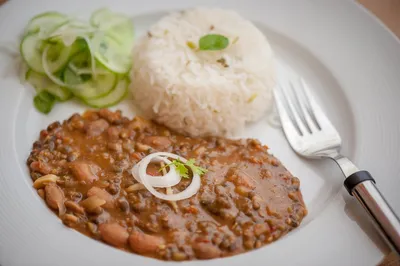
Why Is My Dal Makhani Not Creamy? Grainy or Thin Fixes
Grainy, thin or pale dal makhani is almost always about time and mashing, not cream. Here is what the pot should look like at each stage.
Why Does My Daal Taste Flat? Tadka and Seasoning Fixes
The lentils are soft, the colour is right, and it still tastes like nothing. Check these seven things, in this order, before you add more spice.

Rajma Chawal for Four: A Sunday Dinner With US Measurements
Rajma chawal is comfort food that runs on pantry staples. Here is a clear version with US measurements and honest notes on dried versus canned beans.