 Degchi
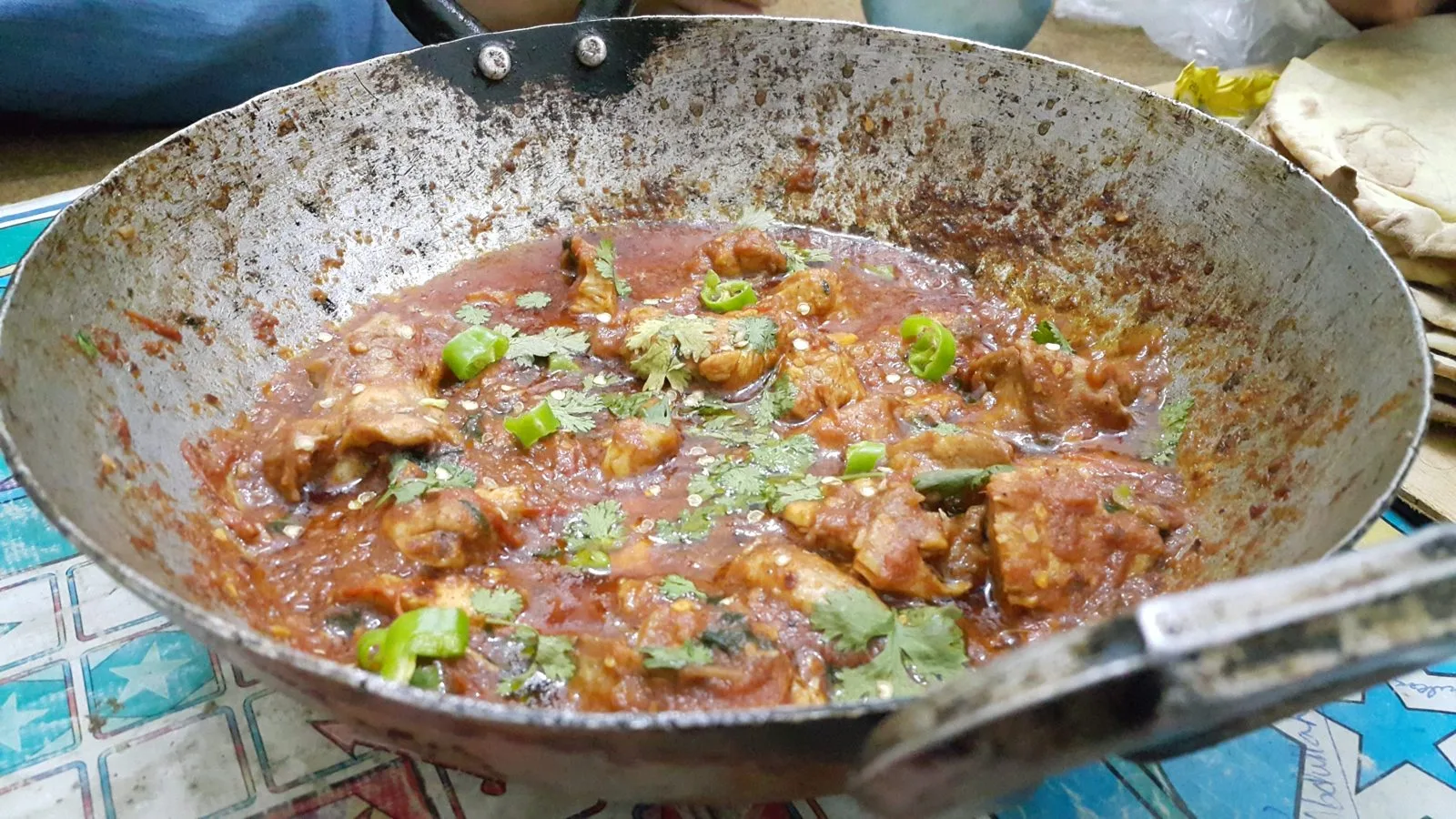
Photo: Kskhh / CC BY-SA 4.0
Induction vs Gas Hob for Desi Cooking: Roti, Karahi, Dum
The first week on induction
You put the tawa on the new hob, turn it to the highest setting, and the roti goes pale and leathery instead of puffing. Or the karahi tomatoes sit there steaming and never catch that brown, jammy edge. Nobody warns you that the cooking is different, they just say the hob is "faster".
Induction and gas are both fine for desi food. They just fail in different places. This post is about the places.
First check: will your pans even work
Induction needs a pan with a magnetic base. Hold a fridge magnet to the bottom: if it sticks firmly, you are fine. Cast iron, carbon steel, most stainless steel and many clad pans pass. Pure aluminium, copper and glass do not. Many old aluminium degchis and pressure cookers are the usual casualties, and a lot of pans sold now carry an induction symbol on the base.
A thin pan on induction heats unevenly and can warp, because the hob heats the base very quickly while the sides lag. For a karahi, look for a flat-ish base of at least 18 cm (7 in) so the coil can actually see it. A deep round-bottom wok will touch only a small ring.
Roti and paratha: the tawa matters more than the hob
Gas flame gives you a free trick: after the tawa side, you lift the roti and puff it straight over the flame. On induction there is no flame, so you need another route.
- Heat the tawa for a full 2 to 3 minutes before the first roti. Cast iron especially needs this because induction heats the pan, not the air above it.
- Cook the first side for about 30 seconds, flip, cook the second side until you see brown spots, then flip back. The steam trapped inside is what puffs the roti.
- A folded kitchen towel pressed gently on the edge helps the steam move towards the middle.
- Buy a thin metal roti rack or tong if you want the charred look. Do not put a roti directly on an induction glass top to try it.
For tandoori roti style breads, the oven or a very hot cast-iron tawa is the substitute either way, and induction does the tawa version well. The recipe page rests the dough for 20 minutes, and that does not change with the heat source.
Karahi and bhuna: the sound is your thermostat
On gas you adjust the flame by eye and ear. Induction gives you numbers (levels 1 to 10, or watts), and each hob maps them differently. Spend one meal learning yours.
Take the chicken karahi. The recipe has a 7-minute stage for sizzling the aromatics, a 15-minute stage for the tomato to break down and a final 4-minute oil-separation stage. On induction:
- Start the oil and garlic at a medium-high setting, about 7 out of 10 on a typical 2,000 W hob. <!-- VERIFY: setting numbers vary widely between hobs; this is a starting point not a rule. -->
- When the tomatoes go in, the temperature drops quickly. Do not lower the setting at the same time. Hold it until you hear sizzle again.
- For the last oil-separation stage, drop one or two levels and stir often. Induction responds instantly, so the masala catches faster than it would on a gas flame.
The upside is real: the pan reaches the right heat in under a minute and does not blow your kitchen up with flame. The downside is that "low" is lower than most gas users expect and can be too low for a real simmer. Use level 3 or 4 for gravy, not 1.
Dum and slow stews: a gift for induction
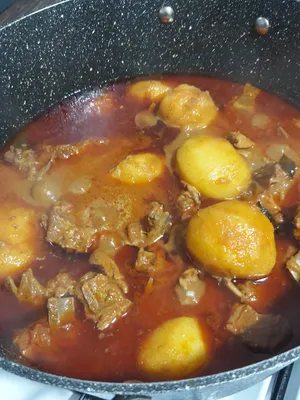
Slow stews are where induction is honestly better. Aloo gosht needs about 90 minutes with a 50-minute covered simmer in the middle, and the hob holds that level steadily without the flame getting blown down by a draught.
Dum is trickier because it needs a sealed pot and the pot must be heavy and induction-compatible. If you have a heavy base, set the hob to the lowest setting that keeps a faint steam leaking at the lid edge. A hob that cycles on and off at "low" (many do, in pulses) is fine for dum as long as the base is thick enough to hold the heat between pulses. Thin pots, and the pot discussion in why thin pots scorch, are the real problem, not the hob.
What to check before you buy one
| Question | Why it matters |
|---|---|
| Does it have a "boost" or 2,000 W+ zone? | Karahi and tawa cooking want fast, high heat |
| Does it have low settings that do not cut out? | Dum and daal need a steady quiet simmer |
| Is the glass surface rated for cast iron? | A dropped tawa can chip it; lift, never slide |
| Does the hob have a pan-size minimum? | Small tadka pans (under 12 cm, 5 in) may not register |
That last point catches people out: a small tempering pan for a ghee-and-cumin tadka may be ignored by the hob entirely. Keep a bigger flat pan for that or do it in a tiny pan placed on a larger one. Neither is elegant but both work.
Habits that fix most complaints
- Preheat longer than you think. The pan is the heat store, not the air.
- Stir the masala more often, especially at low settings in thin pans.
- Use the hob's timer to stop a pot from boiling over: induction stays hot until you stop it, no flame to blow out.
- Wipe spills immediately. Dried sugar and milk burn onto glass and are very hard to remove.
A quick plan for the first week
Make daal on night one at a gentle level 4: it is forgiving and teaches you where the simmer sits. Make the karahi on night three using the settings above. Keep a note on the fridge of the level that worked. If you want help choosing what to cook from what you already have, the pantry matcher at Degchi does that without sign-up.
<!-- VERIFY: induction typical wattage (1,800 to 2,200 W) and boost zones are common but not universal; check the user manual. -->
Related recipes

Related posts
Pressure Cooker Gasket and Valve Care: When to Replace
Steam hissing from the lid edge or a cooker that never whistles usually means a worn gasket or a blocked vent. A short check routine fixes most of it.

10 Kitchen Tools a Desi Kitchen Actually Uses
A new kitchen, a small budget, a lot of gadgets on sale. Ten tools that pay for themselves in desi cooking, and five that mostly gather dust.
Instant Pot vs Stovetop Pressure Cooker for Desi Food
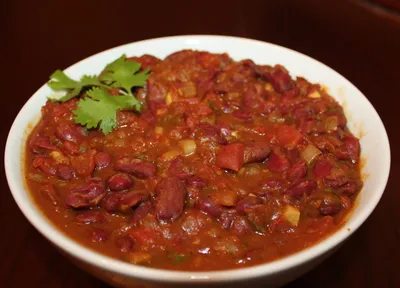
An electric pressure cooker and a stovetop whistle cooker both soften rajma. They differ on bhuna, timing and how much you can walk away. A plain comparison.