 Degchi
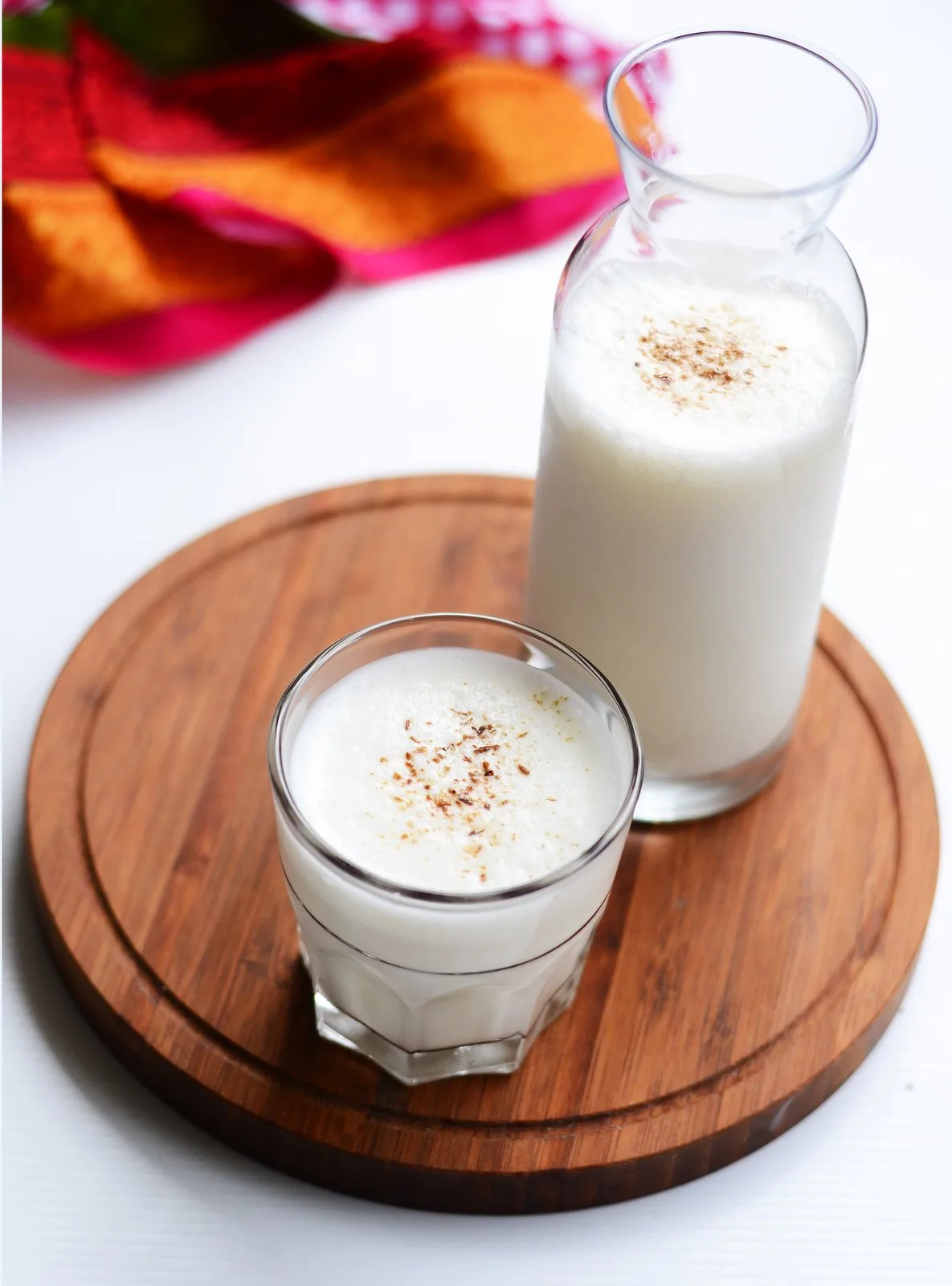
Photo: Raksanand / CC BY-SA 4.0
Mango Lassi at Home: Fresh, Frozen or Tinned Pulp
The mango is the variable, not the recipe
Mango lassi has four ingredients, so almost every bad glass traces back to the mango. It was sour. It was fibrous and left threads in your teeth. It was a pale frozen chunk that turned the drink watery. The yogurt and sugar are the easy part.
Here is how to make mango lassi at home with whatever you can get, and how to correct it when the glass is off.
The base amounts
Our mango lassi recipe makes two glasses from:
- about 1.5 cups of ripe mango pulp (roughly 350 g, depending on the fruit)
- 300 g (1 1/4 cups) yogurt
- 100 ml (scant 1/2 cup) milk
- 2 tablespoons sugar
- 1/4 teaspoon ground cardamom
- 1 tablespoon chopped pistachios or mixed nuts to finish
<!-- VERIFY: 1.5 cups of pulp converted to about 350 g is an estimate; a cup of mango pulp is often given as 250 g or so but fruit varies. -->
Blend pulp, yogurt, milk, sugar and cardamom until completely smooth, taste, add more milk if it is too thick, and pour into chilled glasses. The recipe's own tip is to use well-chilled yogurt and mango, or add a few ice cubes while blending.
Which mango should you use?
| Mango type | What to expect | Adjustment |
|---|---|---|
| Ripe fresh (Sindhri, Chaunsa, Alphonso types) | Sweet, smooth, strongly scented | Taste first, you may need no sugar at all |
| Fibrous or stringy fresh | Same flavour, threads in the glass | Blend longer, then pour through a sieve |
| Frozen chunks | Cold, thick, sometimes plain | Add 1 tablespoon sugar, thaw 10 minutes if your blender struggles |
| Tinned pulp | Very sweet, smooth, cooked flavour | Skip sugar, add a squeeze of lime if it tastes flat |
| Under-ripe | Sour, firm | Use a different fruit this week, sugar alone will not fix it |
The recipe says to taste the mango before adding extra sugar, and that is the most useful line in it. A very ripe mango can make the added sugar unnecessary.
Fixing a thin lassi
Thin mango lassi usually has too much milk, wet fruit, or a runny yogurt. Our post on why a lassi turns thin covers yogurt choices in detail. For this drink the quick fixes are:
- Use less milk next time. 100 ml is already modest.
- Drain watery tinned pulp for a minute in a sieve.
- Chill everything before blending so ice does not have to do the thickening.
- Use full-fat yogurt. The plain lassi recipe tip notes that low-fat yogurt makes a thinner drink.
Fixing a sour or flat lassi
Yogurt that is a few days old tastes sharp, and a tangy mango will push it further. If the glass is sour, balance with sugar a half tablespoon at a time. If it is sweet but dull, a small pinch of salt or a few drops of lime juice often wakes it up.
<!-- VERIFY: a pinch of salt or lime to lift flat flavour is common cooking advice, not tested on our recipe. -->
Skip the temptation to pour in sweetened condensed milk. It thickens, but it also hides the mango.
Chill versus ice
Both work, with different results. Ice blended in makes the drink instantly cold and slightly frothy, but it melts into the glass within ten minutes. Chilling the jug first gives a denser, creamier glass that holds for longer. The base lassi recipe chills for 60 minutes. If you have time, blend, refrigerate, stir, then serve.
Make it for a crowd
Multiply by whole recipes rather than eyeballing, and blend in batches so the jar is never more than two-thirds full. Hot-weather gatherings call for a jug on the table rather than glasses poured in advance: give it a stir before each refill because the pulp settles.
<!-- VERIFY: two-thirds-full blender rule is general appliance guidance, not from our data. -->
If you also want something lighter on the table, the summer drinks post lists no-cook options built from yogurt and lime. For a plain version, sweet versus salted lassi walks through both.
Small changes that are worth making
Cardamom is optional but cheap, and a quarter teaspoon is plenty. Crush the seeds fresh if you can, because pre-ground cardamom loses scent on the shelf. Nuts on top should be chopped small so they sit on the foam instead of sinking.
If someone at the table avoids dairy, a mango lassi made with a thick unsweetened non-dairy yogurt will not taste the same, so treat it as a different drink and adjust the sugar on its own. And if the mango is the kind that browns quickly once cut, blend straight away rather than leaving the pulp on the counter while you find the glasses.
When to serve it
Mango lassi is heavier than the plain version, so it works as a dessert or an afternoon drink rather than something to sip alongside a spicy meal. Serve it in small glasses if you plan to pair it with food. A tall glass is a snack in itself. Leftover lassi keeps in the fridge for a day, covered, but it separates, so stir it well and taste before you pour. If it smells sour rather than fruity, tip it out instead of masking it with extra sugar.
A short shopping list for one jug
- 1 kg ripe mangoes, or 500 g frozen chunks, or one 450 g tin of pulp
- 600 g (2 1/2 cups) yogurt, full fat
- 200 ml (about 3/4 cup) milk
- Sugar, cardamom, a handful of pistachios
That list makes four glasses. In Degchi's try-it pantry you can mark yogurt and cardamom as Have or Low, so the next batch does not stall at the blender.
Related recipes
Related posts

Rose Syrup in a Desi Kitchen: Milk, Lassi, Falooda and More
One bottle of rose syrup can carry a summer. Six drinks and desserts that use it, the ratios that work, and the mistake that makes everything too sweet.
Lassi vs Chaas vs Laban: Which Yogurt Drink to Make
Lassi is thick and often sweet, laban is thin and salty with mint, and chaas sits between them. Here is how they differ and when each one belongs on the table.
What Can I Cook With Yogurt? 9 Drinks, Curries and Sweets From Our Recipes
Yogurt (dahi) is a drink, a marinade, a curry base and a dessert starter. Nine dishes from our recipes, how to keep it from splitting, and how long it lasts.
Why Is My Lassi Thin? Yogurt-to-Milk Ratios That Fix It
Your lassi tastes fine but pours like milk. Thickness comes down to the ratio of yogurt to liquid, the yogurt you start with and when you add ice. Numbers from two recipes, plus fixes.