 Degchi
Sugar Syrup for Mithai: One-String, Thin and Sticky Explained
The sweet was fine, the syrup was not
You fried the gulab jamun perfectly and then the syrup set into a sugary crust on the pot. Or the jalebi looked wonderful and went limp in an hour. In both cases the batter or dough is rarely the culprit. The syrup, called chashni, decides texture. It is just sugar and water, but the ratio and the cooking time change everything.
What the stages mean
When sugar and water boil, water evaporates and the syrup gets thicker. Traditional recipes describe thickness by feel instead of temperature.
| Name | What you see | Rough use |
|---|---|---|
| Thin or no-string | Looks like sugar water, no thread | Rasgulla poaching liquid, light soaking |
| One-string (ek taar) | A single thread forms between finger and thumb | Gulab jamun, jalebi |
| Two-string (do taar) | Thread stretches farther and holds | Barfi, some ladoo, thicker coatings |
| Hard or crack stage | Thick, drops into water and hardens | Candies, brittle |
Thermometer readings vary by source and altitude, so treat any temperature as approximate. If you own a candy thermometer, one-string syrup is usually somewhere around 106 to 110 C (223 to 230 F), but use the finger test as the real guide.
How to test one-string syrup
Let a spoonful of syrup cool for about 10 seconds, because it is dangerously hot straight from the pan. Use a spoon rather than your fingers if you are not confident. Dip the back of a spoon, lift it and let a drop fall. A single fine thread that hangs for a moment is one-string. If it just drips and runs, it needs longer. If it forms several strong threads that do not break, you have gone too far, so add a splash of hot water and bring it back to a boil.
Take care here. Boiling sugar syrup causes bad burns, and it sticks to skin. Keep children away from the stove and do not taste straight from the pan.
Why syrup crystallises
Sugar crystals form when a few grains get left on the side of the pan, or when the syrup is stirred too vigorously after it comes to the boil. Those grains seed the whole batch. Prevent it by dissolving the sugar fully in the water before boiling, stirring only until you can no longer see grains and then leaving it alone. Wipe down the sides of the pan with a wet brush or lid condensation if grains form.
Acid helps. A few drops of lemon juice, or a teaspoon of milk (which pulls impurities to the surface where you can skim them), keeps the syrup clear and slows crystallisation. Many home recipes use one of the two. Skim any foam off the surface for a cleaner finish.
Gulab jamun: warm syrup, warm jamun
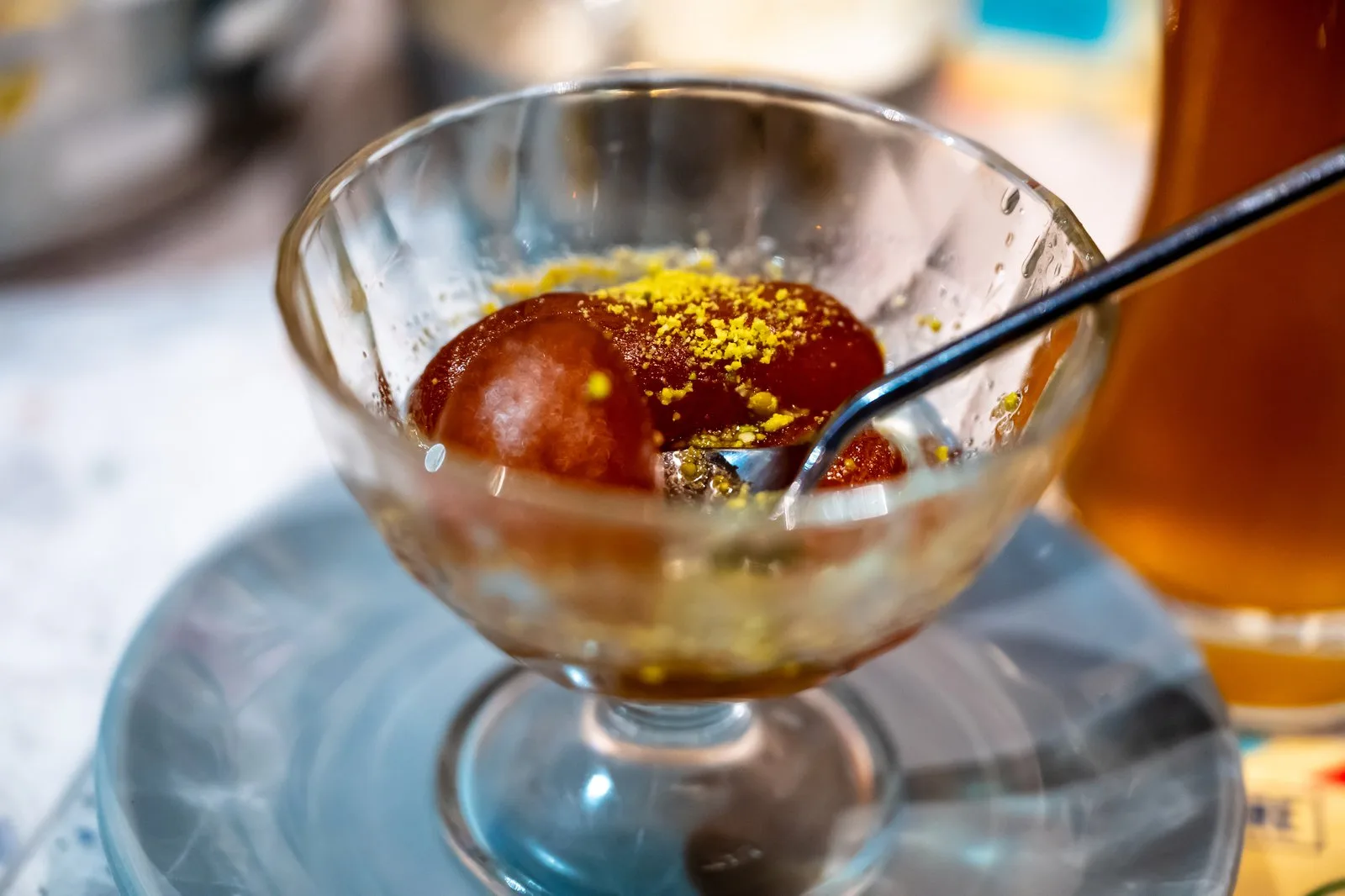
For gulab jamun, the syrup should be one-string, warm, not boiling, when the freshly fried balls go in. If the syrup is too thick, it sits on the surface and the dumplings stay dry inside. If it is too thin, they are sweet but unremarkable. Cardamom and a few strands of saffron go in during the syrup stage. Let the jamuns soak for at least a couple of hours. If you have raw centres or hard jamuns, our gulab jamun troubleshooting post goes through why.
Jalebi: thicker coating, hot on hot
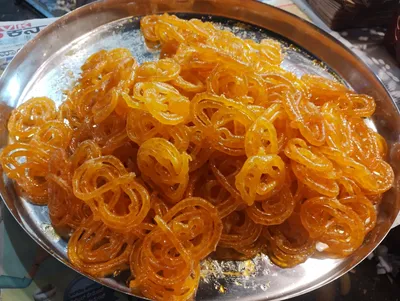
Jalebi uses a syrup that is similar, but the technique is different. The syrup is kept warm, and the freshly fried spirals go in for a few seconds only, then come out. A long soak makes them soft. Our jalebi batter post covers that in detail. Thin syrup soaks in and turns the jalebi limp. Syrup that is too thick sits on top and cracks when you bite it, which some people like.
Rasgulla: thin syrup, gentle simmer
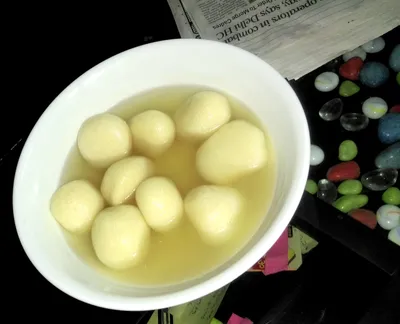
Rasgulla are cooked in thin syrup, not thick. The chenna balls expand as they simmer, and a heavy syrup would stop them from swelling and make them dense. Cook them in plenty of liquid in a wide pot, and keep a lively but not violent boil. After cooking, they rest in cooled syrup and absorb more sweetness as they sit.
Barfi, kaju katli and the sticky stage
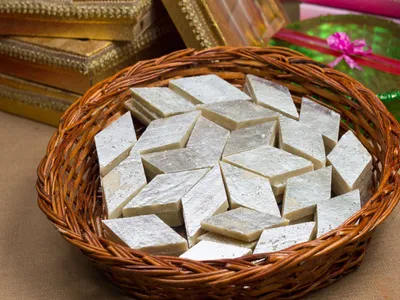
Sweets like kaju katli use a thicker syrup because the cashew paste goes in and the mixture must set. The timing is tight. A syrup that is a little undercooked gives a soft, sticky katli that will not cut cleanly. One that is overcooked makes a hard, grainy one. Test the syrup between the finger and thumb, and be ready to work quickly once the cashew powder goes in.
Ratios worth knowing
- Equal parts sugar and water by volume gives a manageable one-string syrup in about 5 to 8 minutes of boiling.
- Less water, such as 1 cup sugar to 3/4 cup water, speeds up thickening but raises the crystallisation risk.
- Many cooks make a larger batch of syrup than needed, and a little leftover keeps in a jar for iced tea or drinks.
Stage times depend on the pot width, since a wide pan evaporates faster. Judge by the thread, not the clock.
Repair kit
- Syrup crystallised: add a few tablespoons of water, heat gently to dissolve, add a squeeze of lemon, and do not stir after it boils.
- Syrup too thin: boil a few more minutes and test again.
- Syrup too thick: add hot water by the spoon and stir to loosen.
- Syrup tastes burnt: start again. It cannot be fixed.
Planning a sweet-making day
If you plan to make two sweets in one afternoon, make the syrup first and keep it warm on the lowest heat. The Degchi app lets you add the sugar, cardamom and saffron to your shopping list ahead of Eid or Diwali, so the syrup stage is not the moment you discover you are out of sugar.
Related recipes
Related posts
Building a UK Desi Pantry on a Budget: A Four-Week Plan
You do not need to buy forty spices on day one. Build your desi pantry in four stages, cook real dinners from week one and spread the cost.
How to Season and Clean an Iron Tawa (No Rust)
A new iron tawa sticks, smokes and rusts if you treat it like a steel pan. A first-use routine, a daily wipe, and the rust fix, with the dough from our roti recipes.
Degchi in Urdu, Hindi, Bangla and Arabic: One Kitchen App, Six Languages
Many homes cook in one language and talk in another. Here is how Degchi lets every member of the family use the same kitchen app in the language they actually read.
How to Cook Basmati Rice So the Grains Stay Separate
Separate, long grains come from rinsing, a short soak, the right amount of water for your method and a rest off the heat. Here are the numbers, including the two methods our recipes use.