Degchi
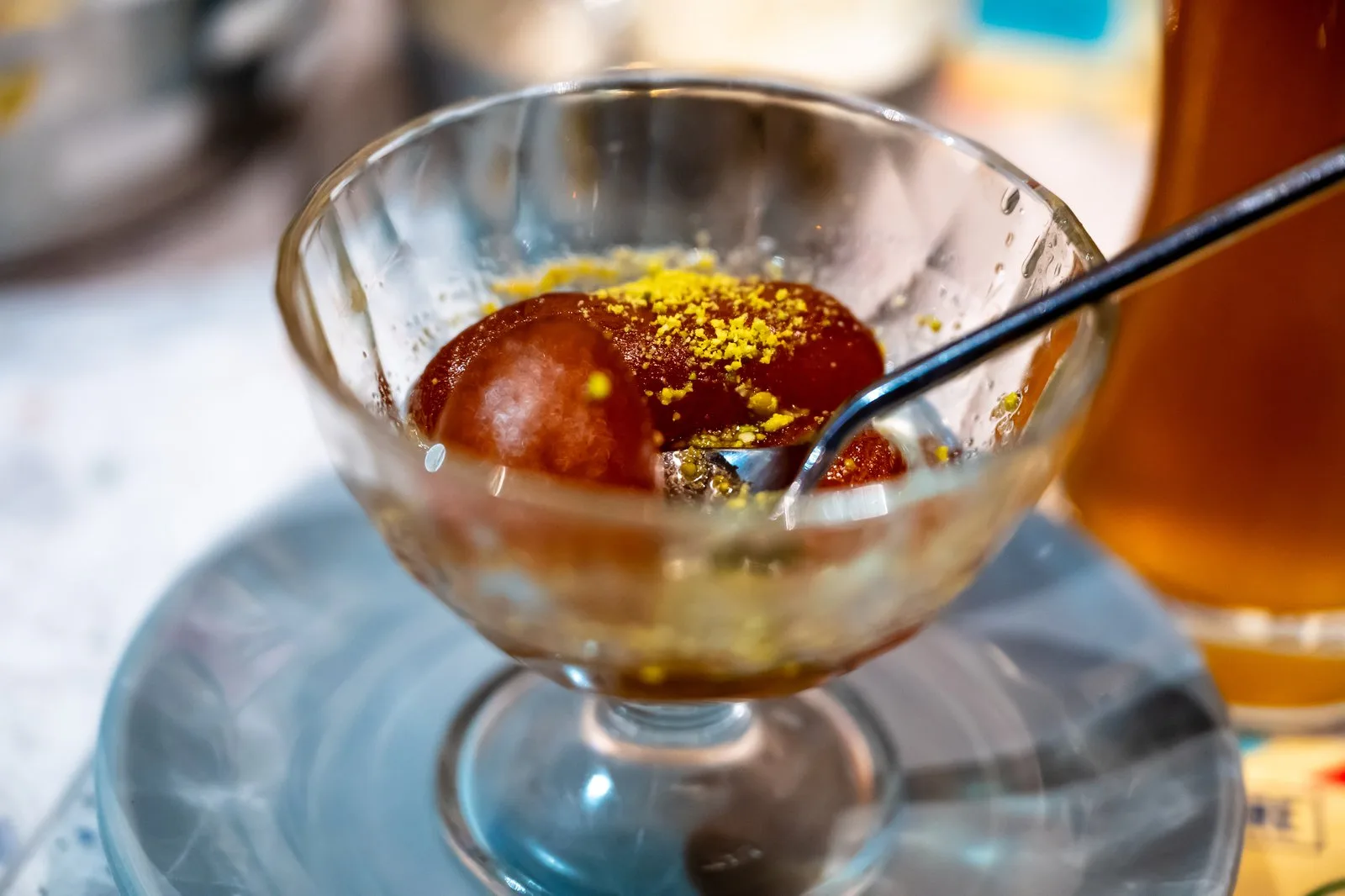
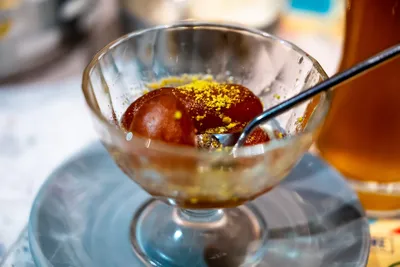
Gulab Jamun Recipe Fixes: Cracks, Hard Balls, Raw Centres
You bite into a gulab jamun and the middle is a pale, damp lump. Or the ball split open in the pan and left crumbs in your ghee. Or it is soft on the outside and tough as a pebble inside. Every one of these has a cause you can trace, and almost all of them happen before the syrup is involved.
This is a troubleshooting guide for a gulab jamun recipe made with khoya (milk solids). The base is our gulab jamun: 200 g (7 oz) khoya, 2 tbsp flour, 1/4 tsp baking powder, about 500 ml (2 cups) of ghee or oil for frying, and a syrup of 400 g (2 cups) sugar with 4 crushed cardamom pods. It serves 6 and takes 55 minutes, 25 of prep and 30 of cooking, plus soaking time.
Cracks in the dough: fix them before you fry
Our recipe says it plainly: cracked balls break apart while frying. So the first job is a smooth, crack-free surface.
Crumble the khoya fine, knead it briefly with the flour and baking powder, and add a splash of milk only if the dough feels dry. Then roll each ball between your palms until the skin has no fault lines. Press and roll again if you see one.
Two things cause cracks most often: dough that is too dry, and dough that has not rested. One published method rests the dough for 30 minutes, uncovered, before shaping. Our recipe does not require a rest, but if your balls keep cracking, a short rest is a cheap experiment.
Keep the baking powder at the quarter teaspoon our recipe lists for 200 g; do not add extra hoping for softer balls.
Raw in the middle: the oil was too hot
The recipe's own warning is blunt: if the oil is too hot, the balls brown outside while staying raw inside. The crust sets, the heat has no time to travel in, and you end up with a dark shell around damp dough.
So start on medium-low and stay there. Heat the ghee or oil for about 5 minutes before the first batch, drop in a ball and watch. It should sink, then rise slowly, with only a gentle fizz around it. If it browns in the first minute, pull the pan off the heat for a moment.
One published method gives numbers: start around 100 C (212 F), and once the balls float and have roughly doubled, raise the heat to about 150 C (302 F). It fries them 7 to 8 minutes in total and lets the oil settle between batches. That is one cook's method, not a law, but it matches our recipe's 8-minute frying timer and its "low-medium heat" instruction.
Turn them gently and constantly. The goal is deep golden brown all over, and the balls should nearly double in size without darkening fast.
Hard like a stone: dry dough or over-frying
Hard gulab jamun has two usual causes, and both are about moisture.
- Dough too dry. There is not enough liquid in the mix to keep the inside tender after frying. Add the splash of milk and try again.
- Fried too long. The same published method warns that over-frying builds a hard outer coat that blocks the syrup from getting in.
A batch that is already hard will not turn tender in the pan. Soaking longer in warm syrup may soften the outside a little, but treat it as damage control, not a fix.
Soggy or collapsing: temperature of the syrup
The syrup should be warm, not boiling and not cold. Our tip says it directly: hot jamuns in cold syrup will not absorb it well. Keep the syrup warm on low heat while you fry, and drop each batch straight in as it comes out of the pan.
Syrup consistency matters too. Our recipe's syrup is just sugar and water simmered for about 10 minutes with the cardamom, then rose water stirred in. The published method describes syrup that is too thick as the thing that stops absorption, and syrup that is too thin as the thing that lets the balls fall apart. Aim for a light, slightly sticky syrup, not a candy.
Symptom to fix
| What you see | Likely cause | Fix next time |
|---|---|---|
| Balls split in the oil | Cracks in the surface, dough too dry | Smooth each ball, add a splash of milk |
| Dark outside, doughy inside | Oil too hot | Medium-low heat, fry about 8 minutes |
| Hard all the way through | Dough dry or fried too long | More moisture, shorter frying |
| Hard but not raw, syrup sits outside | Syrup too thick or too cold | Thin with a little hot water, keep it warm |
| Dissolving in syrup | Syrup too thin or too hot | Simmer longer, then let it cool slightly |
| Oily and heavy | Oil too cool | Let the oil come up before the next batch |
How long to soak
Our recipe says at least 30 minutes, with 1 to 2 hours giving the best result. Some cooks soak for several hours; the published method above says 6 to 8 hours, fully submerged and covered. Pick your own window, but do not serve them straight from the pan. They are heavier and less sweet in the middle until the syrup has moved in.
No khoya at home
Our tip: full-cream milk powder kneaded with a little melted butter and milk makes a close substitute. Expect a slightly different texture and test one ball in the oil before you shape the rest.
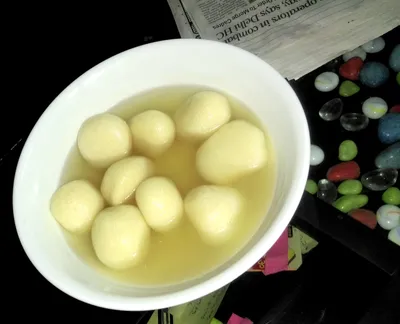
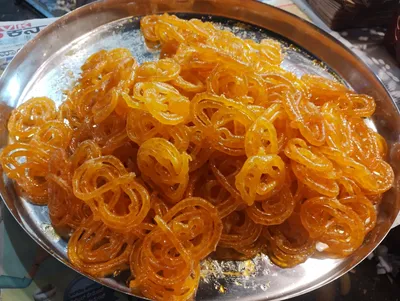
If you like this style of sweet, rasgulla and jalebi are the other syrup-soaked options in our library, and the Eid dessert table plan shows how to fit sweets into a hosting week.
Before the first batch
Keep the pan, the syrup and a plate ready before you shape the first ball, because frying goes fast. Fry one test ball first, cut it open, and adjust the heat. If you want to keep notes on what worked, the cooking steps and timers are laid out on the recipe page, and you can try the pantry planner at Degchi to check whether you already have khoya, sugar and cardamom before you shop.