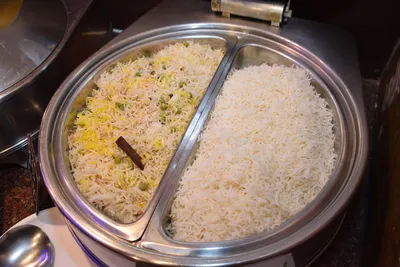
Degchi

Photo: Shehal / CC BY-SA 4.0
Dum Without a Dough Seal: Foil, Towel or Tight Lid?
You are halfway through a biryani, the layers look right, and then the recipe says: seal the pot with dough. You do not want to knead more atta, the pot is already hot, and the guests arrive in an hour. Is the dough strictly necessary?
Short answer: no. Dum is a result, not a ritual. What matters is that the steam stays in the pot for a while on very low heat. This post explains what the seal is doing, three ways to get the same effect, and how to check for leaks before you walk away.
What dum needs to do
Dum means cooking in sealed steam. In a biryani the rice is usually parboiled and the meat is partly cooked or marinated, then the two are layered and finished together. The chicken biryani recipe in our library has you marinate the chicken for at least 30 minutes, soak the basmati for 30 minutes, and plan about 75 minutes of cooking in total. The final stage is where the flavours of rice, meat and spice mix. If steam escapes, the top layer of rice dries out and stays chalky while the bottom scorches.
So the seal has three jobs: trap steam, keep heat even, and stop the aroma from walking out of the kitchen. Any method that does those three is fine.
The traditional atta ring
A rope of wheat dough pressed between pot and lid does two things well. It fills every gap, even on a lid that does not match the pot, and it makes a smell test: when you open it, you know the pot was sealed. The downside is the mess and the extra step. It also cannot fix a warped pot.
Option one: foil under the lid
Cover the pot mouth with a sheet of aluminium foil, pressing it down around the rim, then place the lid on top. Foil is tight, cheap, and works on pots with slightly mismatched lids.
Tips: use heavy-duty foil, not thin; fold two layers; crimp it around the rim tightly. Keep the foil from touching the food directly if you have used lemon or tomato, since acid can pit foil. <!-- VERIFY: acid reacting with aluminium foil is a general cookware caution; not from our recipes. -->
Option two: a damp cloth under the lid
Lay a clean cotton towel or muslin cloth across the pot, then press the lid on. Fold the corners of the cloth up over the lid so they cannot hang near the flame. The cloth absorbs excess steam moisture that would otherwise drip back and make the top layer soggy, which is a useful side effect.
Be careful with fire. Never let loose cloth fall toward the burner, and never leave it to dry out on high heat. Tie the corners over the lid handle. This option suits gas hobs less than induction.
Option three: a heavy lid and a weight
If your lid fits well, you may not need anything between the pot and the lid. Press a heavy mortar, a small stone or a filled water pot on top. The weight stops the lid from rattling, which is how most leaks start.
This works best in a thick pot. If yours is thin, read why thin pots scorch in dum first; a poor seal in a thin pot is a double problem.
The 30 second leak test
After sealing and turning the heat to low, stand by for the first two minutes.
- Hissing at the rim: a gap. Press the foil or towel harder, or add weight.
- Fine steam threads: acceptable at first, but gaps usually widen. Fix them.
- Aroma only when you open the lid: a good seal.
- Water droplets on the outside of the lid: steam is escaping around the rim.
If you cannot tell, hold the back of your hand a few centimetres above the rim. Feel warm moist air? It is leaking.
Timing and heat once sealed
For a biryani that has already been layered, a rough dum is 20 to 25 minutes on the lowest heat after the first few minutes of medium heat. Always follow the recipe's timing, since layering, meat cut and quantity change the result. Our hyderabadi biryani, kacchi biryani and chicken pulao pages all give their own totals, and raw-marinated (kacchi) styles need considerably longer than cooked-layer ones. <!-- VERIFY: 20 to 25 minutes for cooked-layer dum is a general range; check the recipe pages for exact times. -->
A tawa under the pot is the other low-tech trick. Place a flat iron tawa between the flame and the base to spread heat. It saves bottoms from burning on a strong gas ring.
What a dum seal cannot rescue
- Undercooked rice: it will not finish if the parboil was too short.
- Too much water: sealed steam adds moisture, it does not remove it.
- A thin pot that burns the base on contact.
If your biryani is mushy, our mushy biryani rice guide covers the parboil and water mistakes.
A quick decision list
- Mismatched lid: foil plus the lid.
- Induction hob, wide lid: cloth tied over the lid.
- Perfect lid, heavy pot: lid plus a weight.
- Making a big batch for a crowd: atta ring, because it gives the most consistent seal.
You can run the layering and dum steps with timers in Degchi's cook mode, found through the home page.