 Degchi
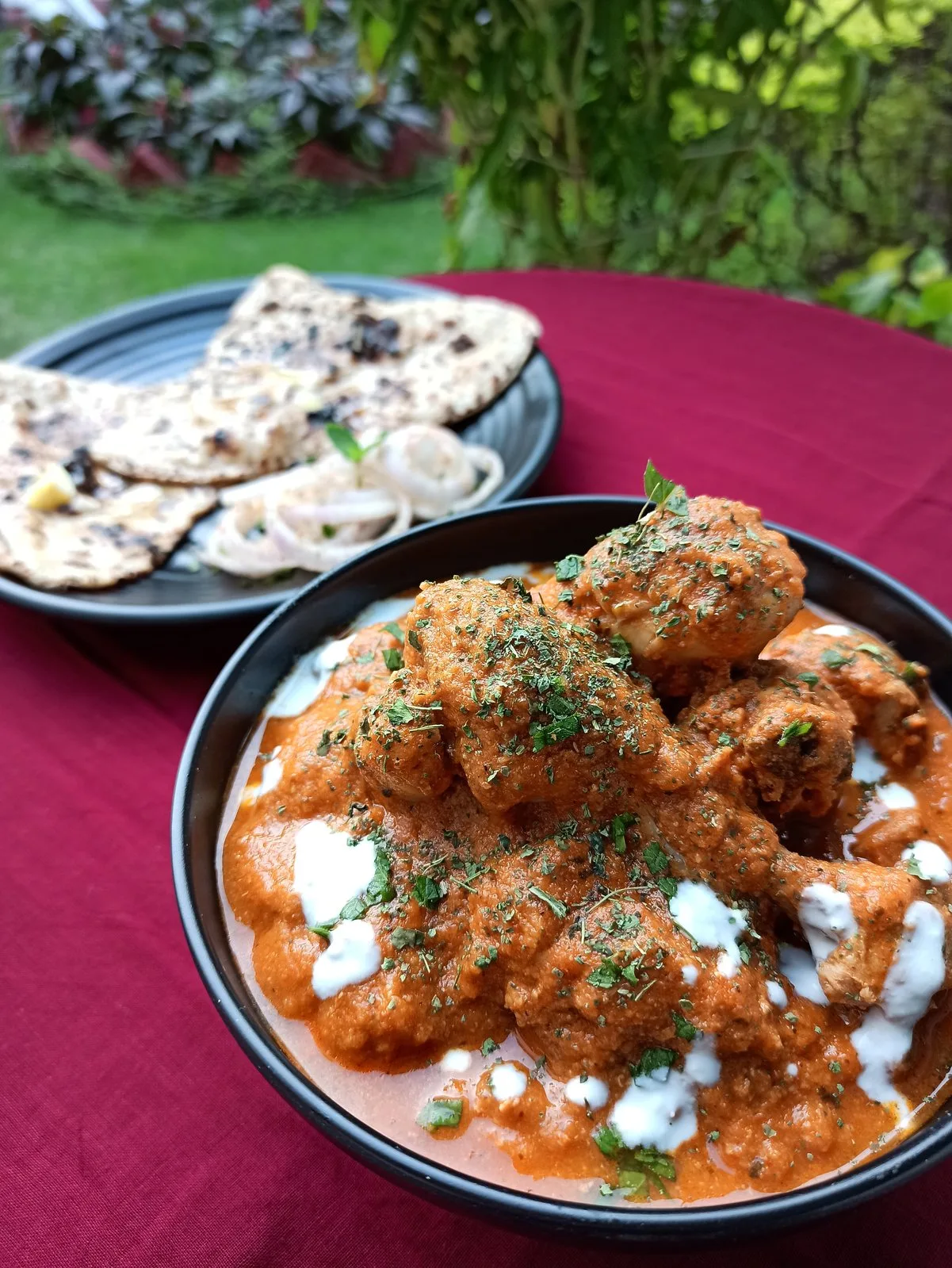
Curry Too Thin or Watery? How to Thicken Gravy
The chicken is cooked, the spices smell right, but the gravy runs across the plate like soup. If your curry is too thin, nothing has to be thrown away. Gravy is mostly water, onion, tomato and fat, and each of those can be adjusted.
First, work out why it is thin. The fix depends on the cause.
Five reasons gravy stays thin
- Too much water went in. Water is easier to add than remove. Many recipes tell you to add water in stages for this reason.
- The masala was not cooked down. If the onion and tomato base still looks wet and the oil has not separated, the gravy will stay loose. This is the most common cause. See why a curry tastes raw for the same problem from a flavour angle.
- The meat or vegetables released water. Frozen chicken, mushrooms, cauliflower and zucchini give off liquid as they cook. Thawed-and-wet meat also adds water.
- The lid stayed on. A closed pot traps steam and the liquid has nowhere to go.
- Not enough body in the base. Onions that were barely cooked, or tomatoes that stayed in large chunks, give less natural thickness than a well-browned, mashed base.
Fix 1: reduce it (the simplest)
Take the lid off, raise the heat to medium and let the gravy simmer, stirring occasionally. A small curry can lose a cup (240 ml) of liquid in 5 to 10 minutes. Wide pans reduce faster than deep ones.
Reduction concentrates flavour as well as thickness, so taste for salt at the end, not the start.
If the meat is already done and you do not want to overcook it, lift the meat out with a slotted spoon, reduce the gravy alone, then put the meat back.
Fix 2: mash some of it
Tomatoes, onions and potatoes all thicken a gravy when broken down. Press the back of a spoon against some of the soft pieces, or use a hand blender for a couple of pulses. Do not blend the whole pot unless you want a smooth gravy.
This works well for dishes like aloo matar and chana masala, where potatoes or chickpeas can be mashed straight into the sauce. For chickpeas, crush a few spoonfuls against the side of the pot.
Fix 3: thickeners that match the dish
Choose one that belongs in the dish, not a generic fix.
| Thickener | Amount to start with | Best for | Watch out |
|---|---|---|---|
| Fried onion paste | 2 to 3 tbsp | Qorma, bhuna, most meat curries | Adds sweetness |
| Ground cashew or almond paste | 1 to 2 tbsp | Creamy dishes like butter chicken | Add slowly, keep at a gentle simmer |
| Poppy seed or melon seed paste | 1 tbsp | Korma-style gravies | Can be hard to find abroad |
| Plain yogurt, whisked | 2 to 3 tbsp | Medium gravies | Add off a high heat to avoid splitting, see why curry curdles |
| Besan (gram flour), mixed to a slurry with water | 1 tsp in 2 tbsp water | Vegetable curries, kadhi | Cook 3 to 4 minutes after adding so it does not taste raw |
| Boiled potato, mashed | 1 small | Vegetable curries | Changes flavour slightly |
| Soaked and blended lentils | 2 tbsp | Vegetarian dishes | Needs time to cook through |
Start with half the amount, stir, wait a couple of minutes, then judge. Thickeners keep working as the gravy sits and cools.
What not to do
- Do not dump dry flour or cornflour straight into the pot. It clumps and tastes raw. If you use cornflour (cornstarch), mix 1 teaspoon with 2 tablespoons of cold water first, stir it in, and simmer for a couple of minutes.
- Do not add more spices to "fix" thin gravy. Powders add a little body but mostly a raw, gritty taste if they are not cooked in oil.
- Do not boil hard for a long time once yogurt or cream is in. It can split.
- Do not over-thicken. Gravy gets thicker as it cools, and rice and roti will soak up more. Aim for a bit looser than you want on the plate.
Prevention for next time
- Add hot water in small amounts, a half cup (120 ml) at a time, until the gravy looks right.
- Cook the onion-tomato base until oil visibly separates at the edges. That usually takes 8 to 12 minutes after the tomatoes go in. See our make-ahead masala base for what that looks like.
- Pat meat dry before it goes into the pan.
- Cook uncovered for the last 5 to 10 minutes.
- Match pot size to the amount. A big pot with a small amount of curry loses liquid fast, and a small pot with a large amount keeps too much.
If you went the other way and the curry is thick and salty, see curry too salty or too sour.
A thin curry fix sheet
- Gravy is soupy but the meat is still hard: simmer with the lid off.
- Gravy is soupy and the meat is done: lift the meat out, reduce, return.
- Gravy has no body but tastes fine: mash some vegetables or add a spoon of fried onion paste.
- Gravy is a creamy-style dish: nut paste, a spoon at a time.
- Gravy is already oily and thin: skim the oil, then reduce.
If you want a quick check of which curries your pantry already supports, the Degchi pantry sandbox lists dishes by what you have, so you can plan around the right amount of onion and tomato before you cook.
Recipes with potatoes Recipes with chickpeas Recipes with tomatoes
Related recipes
Related posts
Why Does My Curry Taste Raw? Bhunai and Spice Timing
A curry that tastes sharp, powdery or "uncooked" usually skipped the slow cooking of the masala. Learn what bhunai is, when to add spices and how to rescue the pot.
Why Is My Chicken Curry Dry or Rubbery? Fixes
Chicken curry can turn dry or rubbery even when the gravy is perfect. Here is which cut to use, how to cook it to 74 C / 165 F and not beyond, and how to rescue it.
Potatoes Hard or Mushy in Curry? How to Get Them Right
Hard in the middle or dissolved into paste, potatoes are tricky in curry. Here is which potato to buy, how to cut it and exactly when it should go into the pot.
How to Brown Onions for Curry: Golden, Not Burnt
Pale onions give a thin, raw-tasting gravy and scorched ones turn it bitter. Here is how to brown onions for curry, with a colour guide and the fixes for each mistake.