 Degchi
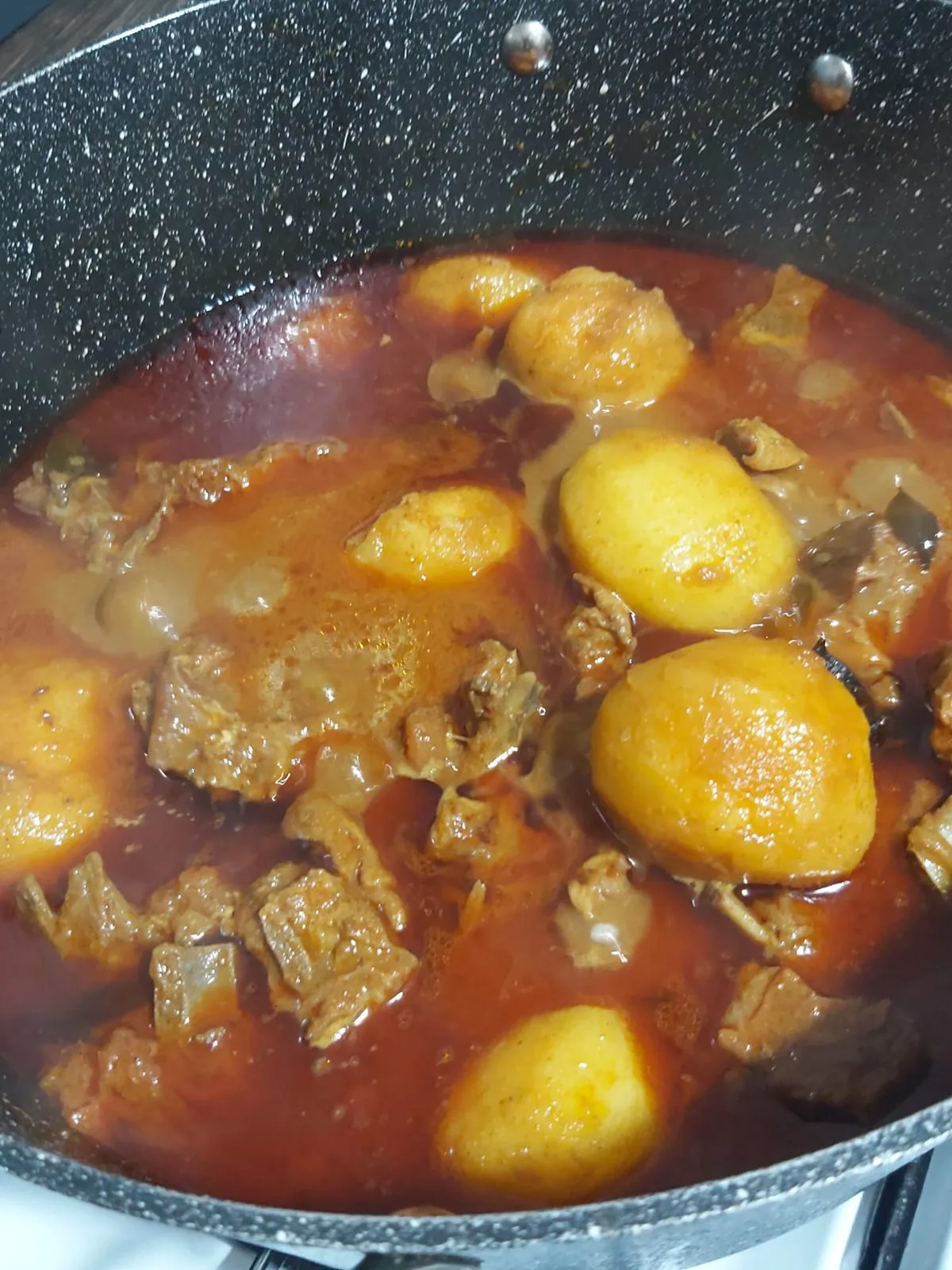
Potatoes Hard or Mushy in Curry? How to Get Them Right
Dinner is ready, the gravy tastes right, and you bite into a potato that is still chalky in the middle. Or you lift the lid and find the potatoes have disintegrated into the sauce. Potatoes in curry go wrong in both directions, and each has a clear cause.
Pick the potato for the job
Potatoes fall roughly into two groups, and names change by country, so read the label.
- Waxy potatoes (often sold as new, red, or "salad" potatoes) hold their shape and have a creamy texture. They suit dishes where pieces should stay whole, like dum aloo or dry aloo sabzi.
- Floury or starchy potatoes (often labelled russet or baking in the US) break down more easily. They thicken a gravy nicely but can turn to mush if overcooked.
- All-purpose or "yellow" potatoes sit in between and are a safe choice for most curries.
Brand and variety names differ between shops, so if you are not sure, buy a small bag and watch how they behave.
Why potatoes stay hard
- The pieces are too big. A chunk 5 cm (2 inches) wide needs far longer than a 3 cm (1 inch) piece.
- Uneven cutting. Small bits cook, big bits do not.
- They went in too late. In a quick curry the potatoes may only have simmered a few minutes.
- Too little liquid. Potatoes cook by simmering in liquid or steam. A dry masala with the lid off will not soften them.
- Acid early on. Tomato, tamarind, lemon juice and yogurt can slow softening in some vegetables. If your potatoes stay firm even after a long time in a sour gravy, try adding them a bit earlier, or par-boiling them first.
- Heat too high. The outside breaks down while the middle is still raw.
Why potatoes go mushy
- Too small or too thin. Cubes under 2 cm (3/4 inch) cook fast and fall apart.
- Too long in the pot. This is the main cause in slow, pressure-cooker-style meat curries, where potatoes are added with the meat.
- Starchy potato variety. They break down more easily.
- Vigorous stirring. Stir gently, folding instead of mashing.
- Water too high in the pot. Potatoes sitting in a lot of liquid soften and disintegrate.
Cut size and timing guide
These are starting points, not promises. Test with a knife tip or fork.
| Dish type | Potato size | When to add | Simmer time |
|---|---|---|---|
| Meat curry, such as aloo gosht, cooked in a pot | Quarters or halves of a medium potato | When the meat is about 70 percent done | 15 to 25 minutes |
| Pressure-cooker meat curry | Large chunks, about 4 cm (1.5 inch) | After pressure-cooking the meat, finish in the open pot | 10 to 15 minutes |
| Light curry, like aloo matar | 2.5 cm (1 inch) cubes | After the masala, with water | 10 to 15 minutes, covered |
| Dry sabzi | 1.5 to 2 cm (about 3/4 inch) cubes | Into the masala with a splash of water | 12 to 18 minutes, lid on |
| Aloo gobi | Same size as the cauliflower florets | Potatoes first, cauliflower later | Potatoes get a head start of 5 to 8 minutes |
The point of the "add when the meat is 70 percent done" row is that mutton often takes an hour or more and potatoes only need around 20 minutes, so adding them at the start would make them dissolve.
The par-boil shortcut
If you cannot predict timing, par-boil the potatoes first. Boil cut potatoes in salted water for about 5 minutes until barely tender at the edges, drain, then add them to the curry for the last 10 minutes. They finish cooking in the gravy and take on flavour without collapsing. This is also how many cooks handle a pot full of different-speed ingredients.
For dum aloo and similar dishes, some cooks prick or lightly fry the boiled potatoes so the sauce clings, but follow the recipe you are using.
Fixing the pot you already have
- Hard potatoes, gravy otherwise ready. Add a half cup (120 ml) of hot water, cover and simmer on low for 10 minutes. Test again. If the gravy is already thick, the extra water prevents scorching.
- Hard potatoes and no time. Lift out the stubborn pieces, microwave them with a splash of water for 2 to 3 minutes, then return them.
- Mushy potatoes. Take it as a thickener. Mash a few more against the side of the pot and call it a thick gravy. Next time, cut bigger or add later.
- Gluey, sticky potatoes in a dry sabzi. Usually overstirred. Stir less, cook uncovered at the end to dry the surface.
For gravy that went thin because of potato water, see curry too thin or watery.
Test, don't guess
Poke a potato with a thin knife. It should slide in with a little resistance at the centre, like a ripe avocado. If there is a chalky crunch it needs more time. If the knife goes in with zero resistance and the piece falls apart on lifting, it is done. Taste one, since gravy can taste fine with potatoes still firm. Salt the potatoes' share of the dish too; plain potato absorbs a lot of salt, so a curry can taste fine in the pot and bland once the potato pieces are on the plate.
For more on the dish where this matters most, see aloo gosht, home style.
A checklist to take to the stove
- Pick potatoes by dish: waxy to keep shape, starchy to thicken.
- Cut evenly, about 2.5 to 4 cm (1 to 1.5 inches) depending on cook time.
- Add late for slow curries, early for quick ones.
- Keep enough liquid and the lid on for dry sabzi.
- Stir gently.
- Test with a knife before turning off the heat.
If you are deciding what to cook with the bag of potatoes in the cupboard, the Degchi pantry sandbox can show dishes that use them alongside what else you have.
Related recipes
Related posts
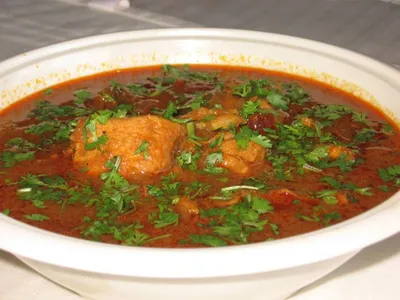
How to Brown Onions for Curry: Golden, Not Burnt
Pale onions give a thin, raw-tasting gravy and scorched ones turn it bitter. Here is how to brown onions for curry, with a colour guide and the fixes for each mistake.
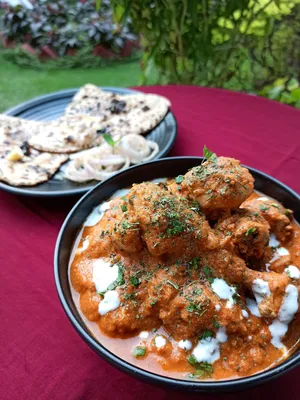
Curry Too Thin or Watery? How to Thicken Gravy
Thin, watery curry usually has one of five causes. Here is how to find yours and thicken the gravy without making it pasty or changing the flavour.
Why Does My Curry Taste Raw? Bhunai and Spice Timing
A curry that tastes sharp, powdery or "uncooked" usually skipped the slow cooking of the masala. Learn what bhunai is, when to add spices and how to rescue the pot.
Why Is My Chicken Curry Dry or Rubbery? Fixes
Chicken curry can turn dry or rubbery even when the gravy is perfect. Here is which cut to use, how to cook it to 74 C / 165 F and not beyond, and how to rescue it.