 Degchi
Why Is My Chicken Curry Dry or Rubbery? Fixes
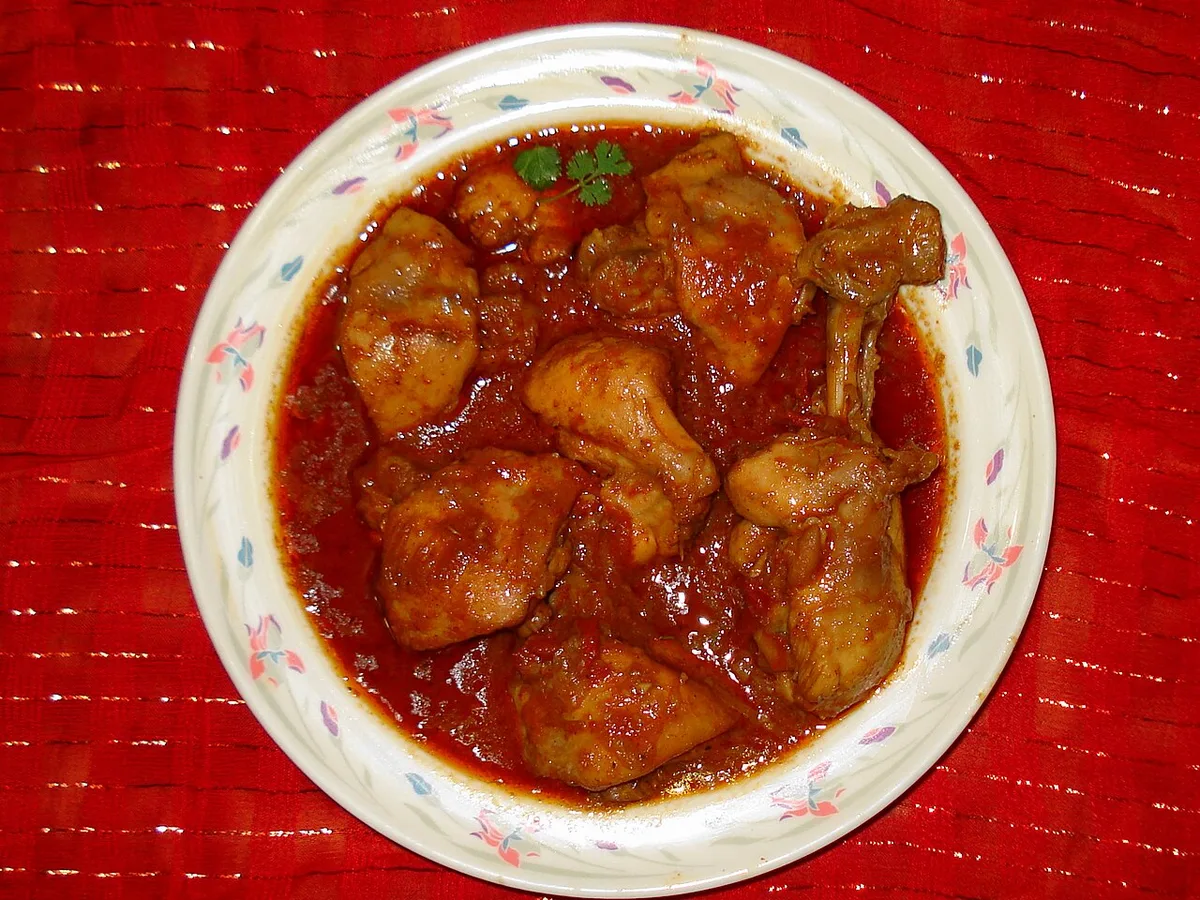
The sauce is lovely, but the chicken chews like a pencil eraser or crumbles into dry strands. If your chicken curry is dry or rubbery, the problem is nearly always the cut, the heat, or the time, not the spices.
Chicken is safe at 74 C (165 F), the standard guidance. Many beginners cook it far beyond that, because they are used to boiling meat until it falls off the bone, and chicken, especially breast, does not behave that way.
The cut makes a big difference
| Cut | In curry | Notes |
|---|---|---|
| Bone-in thighs and drumsticks | Forgiving, juicy | More fat and connective tissue, so they stay tender even if you cook them a bit long |
| Bone-in curry cut (mixed pieces) | Good | The classic choice for chicken salan and chicken handi |
| Boneless thighs | Good, quicker | Cook faster than bone-in, so watch the clock |
| Breast, bone-in | Medium risk | Dries out sooner than dark meat |
| Boneless skinless breast | Highest risk | Lean, so it goes from done to dry fast |
Our opinion: use bone-in thighs or a mixed curry cut for gravies that simmer for 25 minutes or more. Keep breast for quick dishes such as chicken tikka or butter chicken, where the pieces are marinated and cooked briefly. For more on cuts, see our halal chicken cuts guide.
Why chicken turns dry or rubbery
- It was cooked too long. Muscle fibres tighten as chicken heats, squeezing out moisture. Past about 74 C (165 F), breast keeps getting drier.
- The heat was too high. A hard boil toughens the outside before the middle finishes. Gentle simmering is kinder.
- The pieces were different sizes. Small pieces overcook while big ones catch up.
- No marinade or no salt. Salt, even for 30 minutes before cooking, helps meat hold moisture. Yogurt marinades add a little tenderising effect, though they are not magic.
- It went in straight from the fridge, then sat in a crowded pan. Crowding drops the pan temperature, meat stews in its own water and goes grey and tough.
- Frozen chicken that was thawed quickly or cooked from frozen without enough time. See how to thaw frozen meat safely.
Cooking times to expect
Rough simmering times, once the chicken is added to a ready masala and gravy at a gentle simmer. These vary by pot, heat and piece size.
- Bone-in chicken pieces: about 20 to 30 minutes.
- Boneless thighs, cubed: about 12 to 18 minutes.
- Boneless breast, cubed: about 8 to 12 minutes.
Use a thermometer when you can. Insert it into the thickest part without touching bone. Poultry should read 74 C (165 F). See our kitchen thermometer guide.
No thermometer? Cut into the thickest piece. The juices should run clear and the meat should be opaque with no pink. If you have any doubt, cook it a little longer rather than serve underdone chicken.
A cooking method that protects the meat
- Salt the chicken first. Toss with salt, and your marinade, at least 20 to 30 minutes ahead, longer in the fridge.
- Cook the masala fully before the chicken goes in. See why curry tastes raw. A properly cooked base means the chicken only has to cook through, not wait for the sauce.
- Brown the chicken briefly, if the recipe calls for it, in a hot, wide pan. Do not crowd it. Work in batches.
- Reduce to a gentle simmer. Small, lazy bubbles, lid partly on.
- Stop when it reaches 74 C (165 F). If the sauce still needs thickening, lift the chicken out, reduce the gravy and put the chicken back. Curry too thin?
- Rest it for 5 minutes off the heat, lid on, before serving. The meat reabsorbs some of the juices.
Rescuing dry chicken
- Shred it. Pull the dry chicken into strips and stir it into the gravy. Shredded chicken in extra sauce works as a filling for rolls or paratha.
- Add liquid and warmth. Add a splash of hot water or stock plus a spoon of ghee or butter and cover on low heat for a few minutes. It will not become tender, but the moisture helps.
- Add cream or yogurt gravy. A little cream, whisked yogurt added off the heat or a spoon of cashew paste makes the sauce coat the meat and covers dryness.
- Change the dish. Turn dry pieces into biryani filling or chicken salad.
Never serve chicken that has not reached 74 C (165 F) just because overcooking is the opposite worry. Safe first, then tender.
Make breast work
If breast is all you have:
- Cut it into even 3 cm (1 inch) cubes, or slice thinly.
- Salt it for 30 minutes.
- Add it to the sauce near the end and cook it only until done, about 8 to 10 minutes.
- Do not reheat leftovers for long. Warm gently until steaming hot, which is the standard guidance, and no longer.
Troubleshooting table
| Symptom | Likely cause | Next time |
|---|---|---|
| Dry and stringy | Overcooked breast | Use thighs, or cut the time |
| Rubbery | Boiled hard, or cold meat in a crowded pan | Gentle simmer, brown in batches |
| Bland inside | Not salted ahead | Salt early, marinate |
| Pink near bone | Not done yet | Cook until 74 C (165 F) |
| Grey, watery meat | Pan too crowded | Use a wider pan, cook in batches |
If you keep chicken and spices in your kitchen and want to see which dishes fit, try Degchi's pantry sandbox, then use the notes above for the cut and timing.
Related recipes
Related posts

Why Does My Curry Taste Raw? Bhunai and Spice Timing
A curry that tastes sharp, powdery or "uncooked" usually skipped the slow cooking of the masala. Learn what bhunai is, when to add spices and how to rescue the pot.
How to Brown Onions for Curry: Golden, Not Burnt
Pale onions give a thin, raw-tasting gravy and scorched ones turn it bitter. Here is how to brown onions for curry, with a colour guide and the fixes for each mistake.
Back From a Trip: How to Restock a Desi Kitchen Without Overbuying
Coming back to an empty kitchen is tiring. Check what is safe, buy the basics first, and plan a simple first week.
Desi Picnic Food That Travels: What to Pack and Keep Safe
A desi picnic works when each dish is chosen for how it behaves in a cooler bag. Parathas, tikka, kababs and dry chaat, with amounts and food-safety limits.