 Degchi
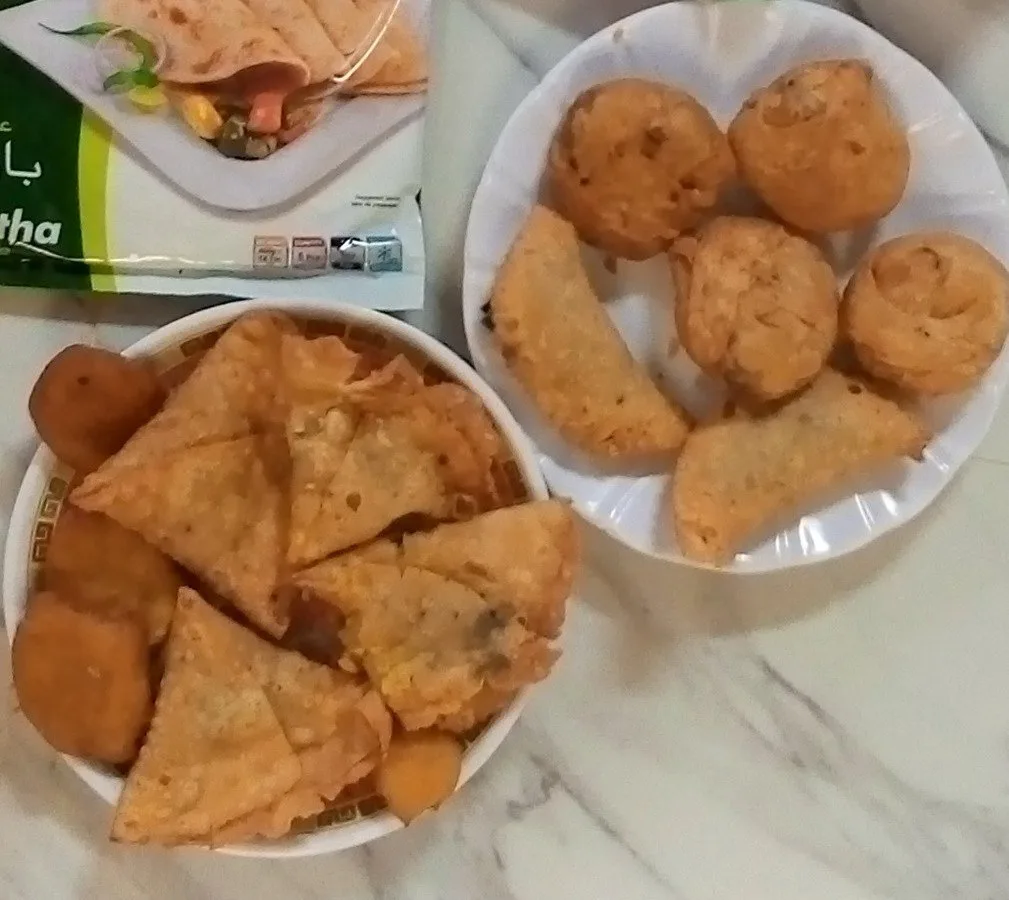
Photo: JogiAsad / CC BY-SA 4.0
What Is Sambousek? Fillings, Frying and How to Make It
You see a plate of golden pastries on an iftar table and someone says "sambousek". If you grew up on samosas, your first question is fair: what is sambousek, and how is it different? Short answer: it is the Middle Eastern relative, usually thinner and flakier, and the name itself is a clue to how closely they are related.
What is sambousek?
Sambousek (also spelled sambusak, sambusek or sambousa) is a stuffed pastry, folded into a half-moon or triangle and then fried or baked. Our recipe describes it as crisp, thin pastry triangles filled with spiced minced meat or cheese, deep-fried until golden, and the Gulf's Ramadan-table twin to the South Asian samosa.
Wikipedia notes that samosa, sambusak and samsa all trace back to the Persian word sanbosag, meaning triangular pastry. It also says sambousek is most popular during Ramadan, which matches how it turns up on Gulf and Levantine tables.
What goes inside
Fillings vary by region and household. Sources describing Arabic sambousek list meat and onion, pine nuts, za'atar, spinach dock and cheese. Other communities have their own versions: a Sephardi version with cheese or beef and a sesame or nigella seed coating, and a Mizrahi one with curry-spiced chickpea and onion.
Our recipe uses the meat version for four people:
- 250 g (0.55 lb) minced meat
- 1 onion
- 1 tsp baharat (the Arabic spice mix)
- 2 tbsp chopped coriander
- Salt to taste
For the pastry, 250 g (2 cups) of plain flour (maida), a pinch of salt, oil and water make a firm dough. The recipe doesn't give amounts for the oil or water in the dough, so add water a spoonful at a time until the dough comes together and doesn't stick to your hands. About 500 ml (2 cups) of oil is listed for frying.
If you'd rather have a cheese version, we don't have a tested recipe, so we won't give amounts. If you try one, pick a cheese that holds its shape and keep the filling fairly dry, since a wet filling is likely to soak through thin pastry.
Sambousek vs samosa
They share an ancestor but have grown apart. Wikipedia says the South Asian samosa is thought to come from a medieval Middle Eastern pastry that was baked, not fried, and reached India in the 13th or 14th century. Today the Indian samosa uses all-purpose flour dough and is deep-fried, and Bangladeshi shingara has a thicker shell than a samosa.
Sambousek tends to be thinner and flakier, the way our recipe puts it. The filling is different too: baharat and coriander with meat, against the potato, peas and chilli of most South Asian versions. If you want to understand why a samosa shell bubbles or goes soft, Crispy Samosa Pastry: Why It Bubbles or Goes Soft covers the dough side, much of which applies here.
How to make it, step by step
- Make the dough. Knead the flour, a pinch of salt, oil and water into a firm dough. Rest it for 20 minutes.
- Cook the filling. Fry the onion until soft, add the minced meat and cook until browned, then stir in the baharat, coriander and salt. Let it cool before using it.
- Shape. Roll the dough thin and cut circles. Fold each into a cone or half-moon, fill and seal the edge firmly.
- Fry. Deep-fry in hot oil, turning once, until golden brown all over. The recipe suggests about 4 minutes.
- Drain on paper towels and serve hot.
Minced meat should be cooked through (71 C or 160 F) before it goes into the pastry, so brown it properly. A hot filling steams the dough from inside and can make it soft, so cooling is not optional.
Fry or bake?
Our recipe is for frying. Wikipedia mentions that some versions are baked, particularly Sephardi sambusak, which has a thicker dough. We haven't tested a baked version, so there is no oven temperature or time from us.
Here is how to decide:
- Fry if you want the thin, blistered pastry the recipe describes, and you're happy to manage hot oil.
- Bake if you want to avoid deep-frying. Expect a different, less blistered shell, and test one tray first, since we have no tested time.
- Make ahead: assembled, unfried sambousek can be frozen on a tray, then bagged. Ramadan Freezer Prep: Samosas and Rolls shows how that approach works.
Serving ideas
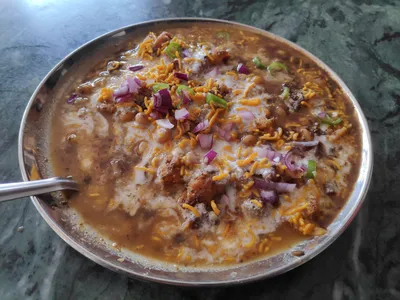
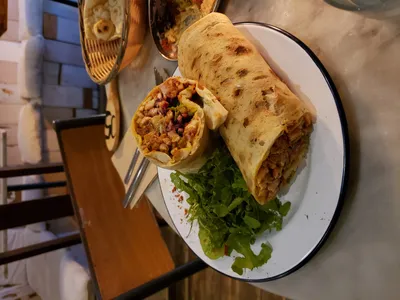
Eat them hot, as part of a spread. They sit well beside kibbeh, hummus and salad on a mezze table; Mezze Night at Home has a plan for that. Yoghurt or a squeeze of lemon helps cut the richness. If the table needs a heavier main, chicken shawarma and Indian-style samosa chaat are two other recipes in our library that suit a snack-led spread, one Gulf-style and one South Asian. A pastry-heavy meal is rich, so keep the rest of the menu light, with salad, pickles and fruit, and serve the sambousek in small batches straight from the oil so the first ones are not soft by the time the last ones are done.
Planning it
If you cook for a large iftar, Degchi can hold the list: meat, onion, flour and oil as items you have or need, and the home page has a pantry demo at /#try that needs no sign-in.
Shopping list for one batch (serves 4)
- 250 g (0.55 lb) minced meat
- 250 g (2 cups) plain flour
- 1 onion
- Baharat
- Fresh coriander
- About 500 ml (2 cups) oil for frying, plus a little for the dough
- Salt
Related recipes
Related posts
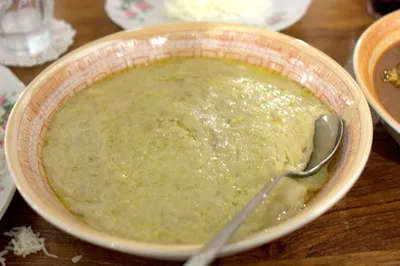
Harees vs Jareesh: What's the Difference?
Harees and jareesh are both wheat and meat, and people use the names loosely. Here is what each is made of, where sources disagree, and how our two recipes differ in wheat, soak and finish.
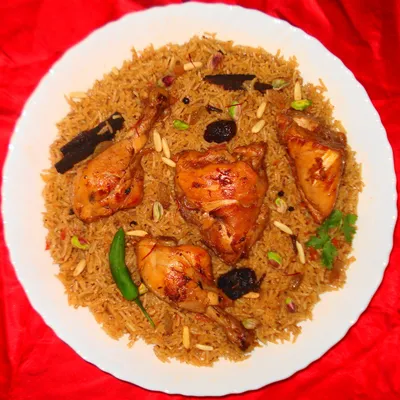
Machboos vs Kabsa: What Is the Difference?
They look alike, taste alike and are often used as synonyms. Here is what actually separates machboos from kabsa, what sources disagree on, and the rice ratio that works for both.
Mutton Haleem Recipe at Home, With an Overnight Soak
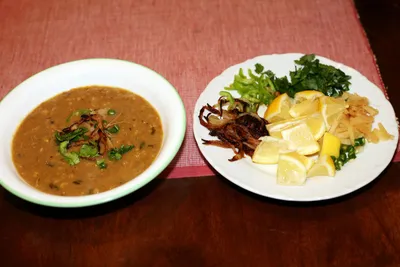
A mutton haleem recipe at home is mostly a scheduling problem. Here is the soak, the pressure-cooker shortcut, the beating step and a two-day plan, with amounts from our Hyderabadi haleem recipe.
Nihari vs Haleem vs Paya: Three South Asian Slow-Cooked Classics
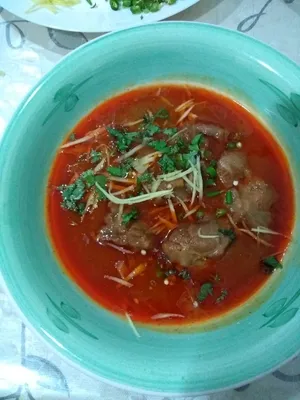
Nihari is a spiced stew, haleem a beaten porridge, paya a gelatinous trotter broth. Here is how they differ in texture, ingredients, timing and tradition.