 Degchi
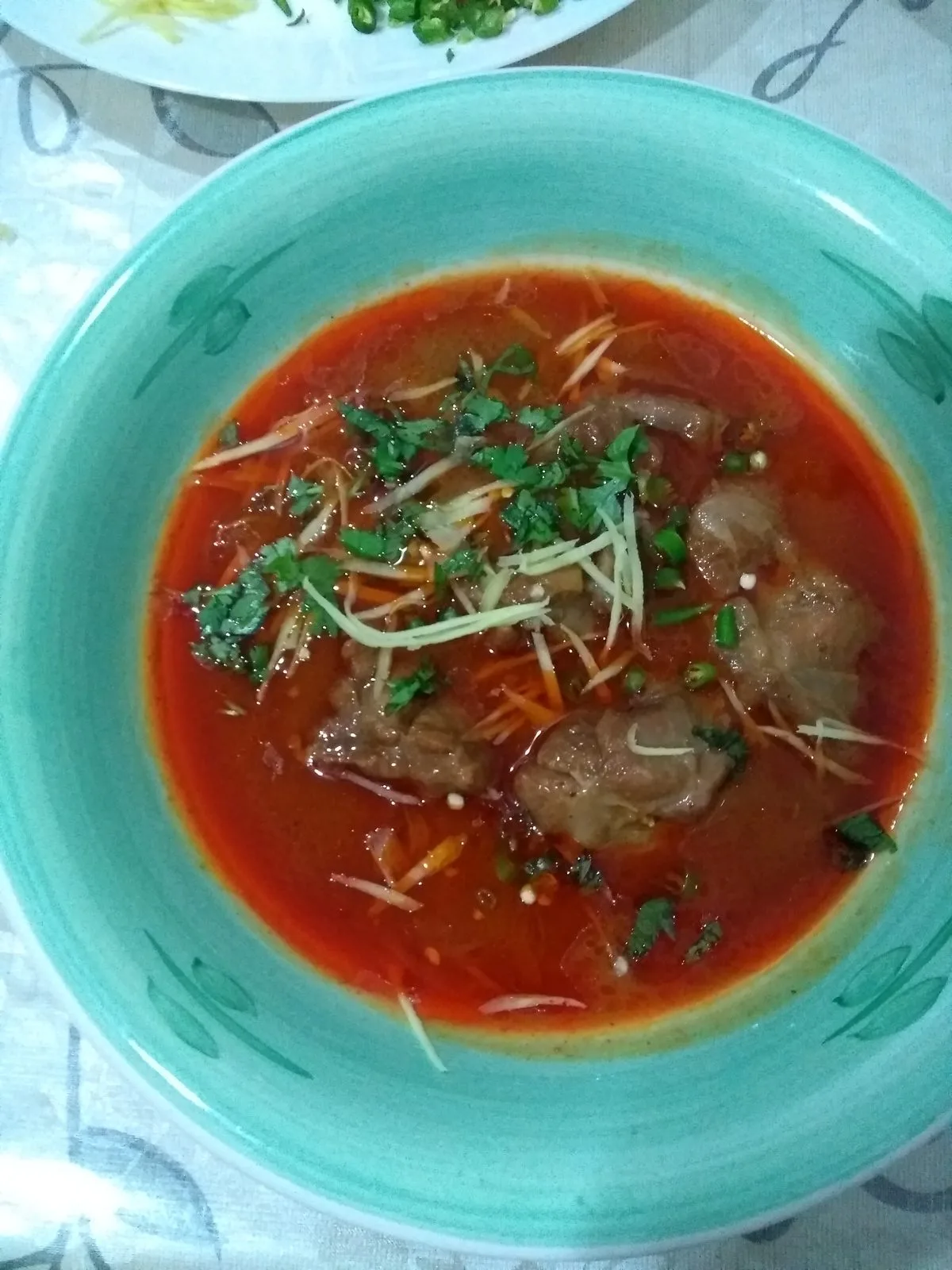
Photo: Satcreak / CC BY-SA 4.0
Nihari vs Haleem vs Paya: Three South Asian Slow-Cooked Classics
Three dishes, three textures
Nihari, haleem and paya are often grouped together because they are all slow-cooked, rich, winter-friendly meat dishes eaten with bread. Beyond that, they are quite different.
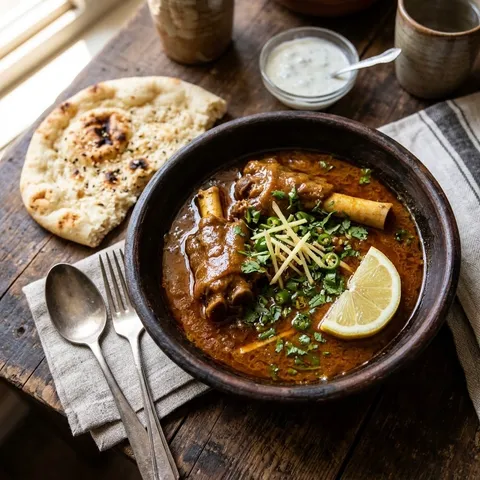
- Nihari is a stew. The gravy is dark and glossy, the meat is in chunks, and the spice is warm and savoury.
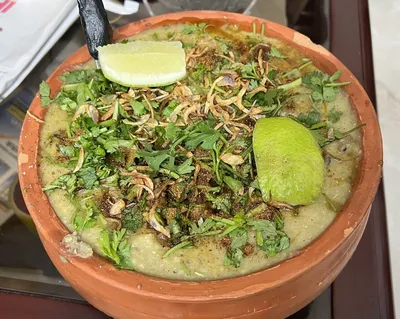
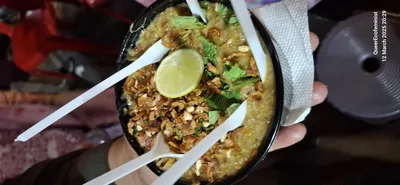
- Haleem is a porridge. Grains, lentils and meat are cooked until they melt together and are beaten smooth.
- Paya is a broth. It is thick with natural gelatin from trotters (or leg cuts) and eaten more like a soup.
Nihari
Wikipedia calls nihari a slow-cooked meat stew from the Indian subcontinent, typically made with shank cuts of beef, lamb, mutton or goat. Its origin is debated between Lucknow and Delhi in the Mughal era. The name is thought to come from an Arabic word meaning "morning", and the dish was reportedly eaten as a breakfast after dawn prayer. After the 1947 Partition, Urdu-speaking Muslims who migrated from northern India opened restaurants serving it in Karachi and Dhaka, and it became especially popular in Karachi.
Our nihari recipe serves 6 and calls for:
- 1.2 kg (2.65 lb) bone-in beef shank, in large chunks
- 200 g (7 oz) sliced onion
- 3 tbsp nihari masala, plus ginger, garlic, chilli, turmeric, coriander and whole spices
- 1/2 cup atta (wheat flour), mixed into a slurry to thicken the gravy
- 4 tbsp ghee, half for frying onions and half for the finishing tarka
The signature steps are the long simmer (about 3.5 hours, up to 5 for bone-in shank), then the flour slurry, then a final sizzle of ghee and whole red chillies poured over the top, and ginger strips, green chilli, coriander and lemon to finish. Our notes say a pressure cooker can cut the first stage to about 1 hour.
Haleem
Wikipedia describes haleem as a slow-cooked stew found across West, Central and South Asia, made with wheat or barley, meat and spices, with lentils and rice depending on the region, and stirred or beaten into a paste-like consistency. It is generally considered to have evolved from the Arab dish harees (see our harees guide), with Mughal-era cooks adding local spices and ghee.
There are three regional versions in our library, and they are genuinely different:
- Pakistani chicken haleem (recipe). Wheat, barley, red lentils, split chickpeas and moong, plus shredded chicken, beaten until stretchy, then topped with fried onion, ginger, mint, coriander and lemon. Wikipedia describes the Karachi style as smooth, well-balanced and more finely blended.
- Hyderabadi haleem (recipe). Mutton, cracked wheat and three lentils, finished with a ghee tempering and fried onions. Wikipedia says it received a Geographical Indication tag from India in 2010, the first meat product to do so.
- Dhakaiya haleem (recipe). Beef with a lentil and wheat mix. Wikipedia says Dhaka haleem keeps meat in small pieces rather than blending it completely, and is especially popular in Ramadan. Our recipe blends the grains and lentils and stirs them into shredded beef.
Paya
Wikipedia describes paya as a South Asian stew made from the trotters of cow, goat, buffalo or sheep, cooked with spices, often served at festivals or for special guests, and commonly eaten at breakfast in winter with naan. The word refers to "leg" or "feet" in Hindi and Urdu. Delhi, Hyderabad, Lucknow and Bhopal are noted for their versions.
Our paya recipe serves 6 and uses a home-friendly swap: 1 kg (2.2 lb) mutton leg pieces instead of trotters, which gives a similar silky broth without having to find a butcher who stocks trotters. It simmers about 3 hours with onion, ginger-garlic, cumin, dried ginger and whole spices, until the broth turns rich and slightly sticky. Our notes say real trotters give an even silkier, more gelatinous broth than leg pieces.
Side by side
| Nihari | Haleem | Paya | |
|---|---|---|---|
| Texture | Thick, glossy stew | Smooth, stretchy porridge | Thin to medium gelatinous broth |
| Main protein | Beef shank | Chicken, beef or mutton, shredded | Trotters or mutton leg |
| Grains and lentils | Wheat flour for thickening only | Wheat, barley, lentils | None |
| Cook time (our recipes) | About 4.7 hours total | About 4.75 hours (chicken) | About 4 hours total |
| Typical finish | Ghee-chilli tarka, ginger, lemon | Fried onion, mint, lemon | Ginger, green chilli, lemon |
| Eaten with | Naan | Naan or on its own | Naan or khameeri roti |
The cook times add each recipe's prep and cook minutes, so they include time on the stove, not just hands-on work.
Which should you start with?
- If you want the biggest flavour for the least fuss, make nihari. It is mostly a long wait.
- If you like creamy, comforting food, make haleem. It needs more stirring and a day of soaking, but you get a pot that feeds a crowd.
- If you like broth and a bit of adventure, make paya with leg pieces first. Move on to trotters once you like it.
Shared habits
All three improve the next day, so make them ahead. All three thicken as they cool, so loosen leftovers with hot water. And none of them rewards rushing: keep the heat low, and use a heavy pot. We have timers for each long step in cook mode, which makes it easier to walk away safely.
Where to find the recipes
Each recipe shows metric and US amounts with a servings scaler. The app is free and in closed beta. Join the beta if you would like to try it, or browse the full recipe library first.
Related recipes
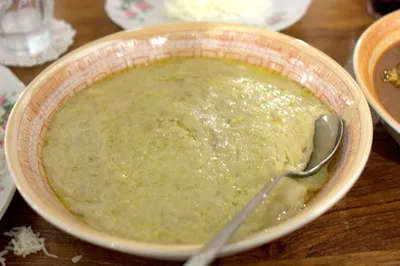
Related posts
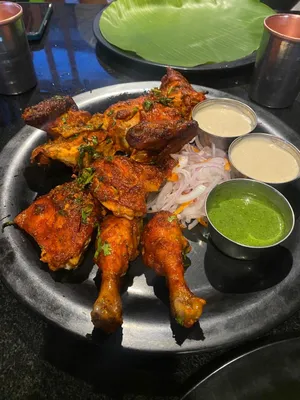
Chicken Tikka Without a Tandoor: Oven, Grill or Pan
A tandoor is just very high, dry heat. Your oven can get close if the marinade is thick and the chicken is dry. Here is the recipe from our library and what to do on a grill pan.
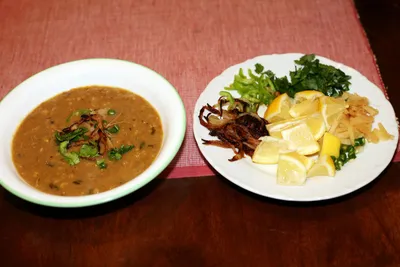
Mutton Haleem Recipe at Home, With an Overnight Soak
A mutton haleem recipe at home is mostly a scheduling problem. Here is the soak, the pressure-cooker shortcut, the beating step and a two-day plan, with amounts from our Hyderabadi haleem recipe.
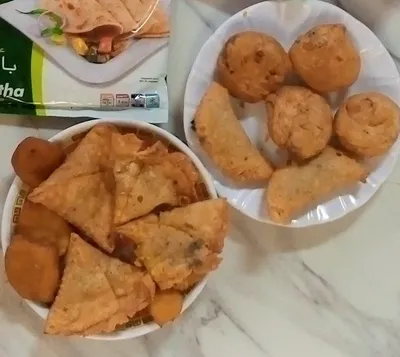
What Is Sambousek? Fillings, Frying and How to Make It
Sambousek is the Gulf and Levantine pastry that looks like a samosa and isn't quite one. What it is, what goes inside, whether to fry or bake, and our meat version.
Batch Cooking and Freezer Meals for Desi and Gulf Kitchens
One long cooking session can feed a family for two weeks. Here is what freezes well, what does not, and how to cool, portion and reheat it safely.