 Degchi
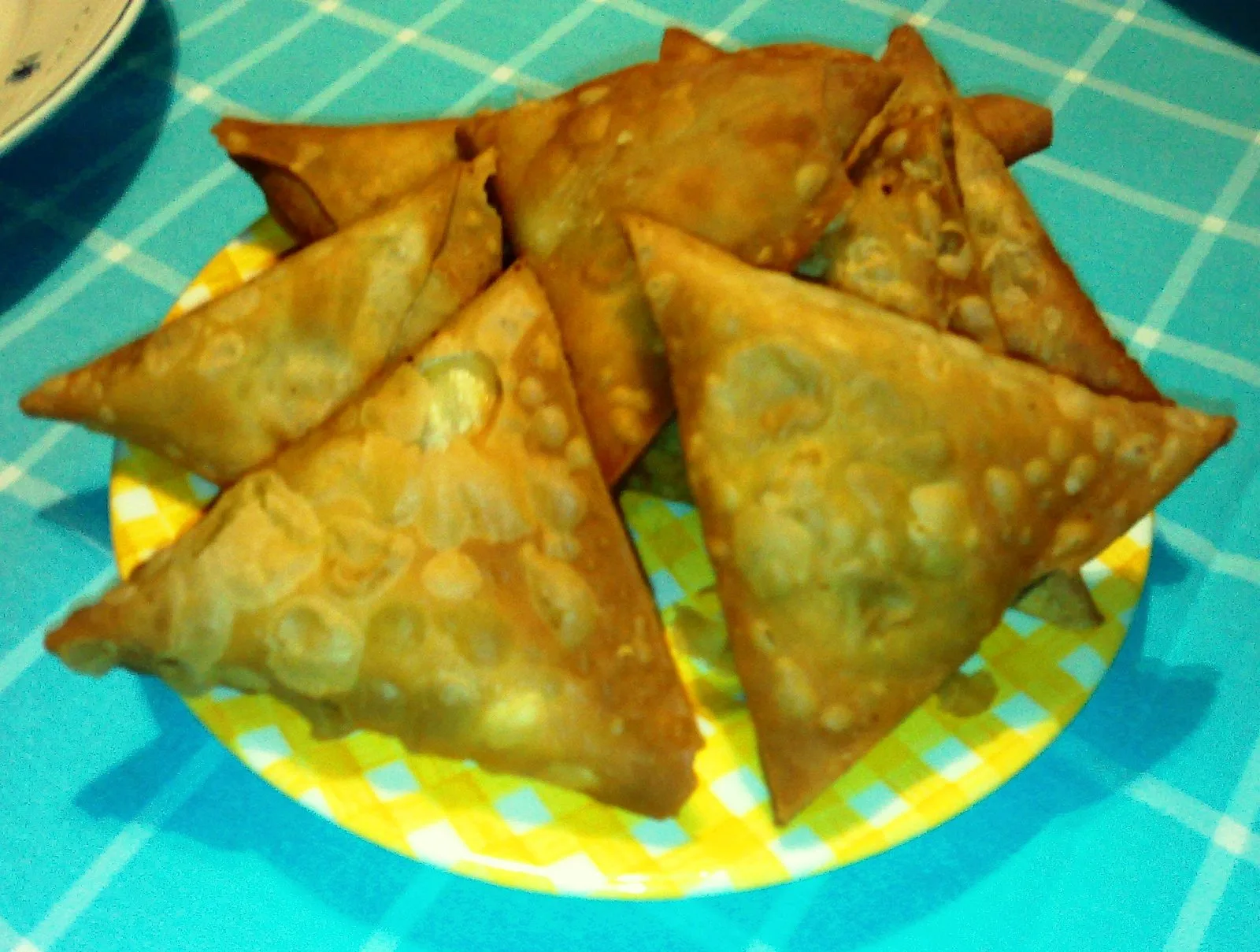
Photo: Adrião / CC BY 4.0
How to Make Crispy Samosa: Fix Soft or Bubbly Pastry
You fry a batch of samosas. Half have a shell covered in tiny blisters, one has burst and let its filling into the oil, and the last ones are pale and soft by the time you plate them. Same dough, same pan. If you want to know how to make crispy samosa, you need to look at three things together: the dough, the filling, and the oil.
A note on our data: our recipe library has Shingara (the Bangladeshi samosa) and Samosa Chaat, not a plain Punjabi-style samosa. Shingara uses the same method, with a slightly thicker shell, so it is the base for this post. Outside figures for pastry and oil temperature come from a recipe we opened, credited in the sources note.
How to make crispy samosa: start with the dough
Our Shingara recipe makes a stiff dough from 300 g (about 2.4 US cups) of plain flour (maida), 2 tablespoons of oil, salt and water, then rests it covered for 20 minutes. Stiff is deliberate. It should be firmer than roti dough, because moist dough fries up soft.
An outside samosa recipe we read uses 1 1/2 cups flour, 4 tablespoons of melted ghee or oil and 6 tablespoons of cold water, rested for 30 minutes. That is a lot more fat and a lot less water than most people expect, which is why the pastry shatters. Take that as the target feel: crumbly like breadcrumbs when you rub the fat in, then barely enough water to hold it.
The filling: cool, drier than you think
Hot or wet filling steams the pastry from the inside. Our Shingara recipe fries 100 g (0.7 cup) of chopped cauliflower and 80 g (0.5 cup) of peas briefly, mixes them with 3 boiled and cubed potatoes, peanuts, 2 green chillies, garam masala and salt, in about 5 minutes. The outside recipe says to let the filling cool completely before using, spread out on a plate. Do that.
If the potato filling looks wet or gluey, cook it a little longer in the pan, uncovered, until the surface moisture is gone.
Shaping and sealing
Roll each ball into an oval and cut it in half, making two semicircles. Fold each into a cone, fill, and seal the open edge firmly with a little water. Leaks happen at the seam. A fingertip of water is enough; wet pastry going into oil makes it spit.
Oil temperature: low first, then hotter
This is the part most guides skip. The outside recipe fries samosas in two stages: first at 160 C (320 F) for 3 minutes per batch of 3 or 4, to cook the pastry through; then it raises the oil to 190 C (375 F) for 1 1/2 to 2 minutes for colour and crunch. It also says the pastry will burst open if the oil is too hot at the start.
Our Shingara tip agrees on gentleness: fry on medium heat, not high, because the thicker shell needs longer to cook. Our recipe times the frying at about 10 minutes.
No thermometer? Use the pinch-of-dough test from our Chole Bhature recipe, which fries at about 180 C (350 F): the dough should rise at once. For the gentle first fry, you want it to rise slowly, not sit at the bottom and not brown in seconds.
Safety: never leave hot oil unattended, keep a lid within reach, and keep the pan away from wet hands and wet food.
Symptom, cause and fix
| What you see | Likely cause | Fix |
|---|---|---|
| Surface covered in bubbles | Oil too hot at the start, or dough too wet | Start at lower heat; stiffer dough; dry the surface for 10 minutes before frying |
| Burst seam | Hot oil, overfilled, or a weak seal | Lower heat, less filling, press the edge firmly |
| Pale and soft | Oil not hot enough, or soft dough | Raise heat for the last 2 minutes, stiffer dough next time |
| Greasy | Oil temperature fell because of too many pieces | Fry in small batches, let the oil come back up |
| Raw dough inside | Fried too fast | Longer, gentler first fry |
The bubble and soft-shell causes in the table come from a search summary of several recipe pages and one forum thread, and cooks disagree on whether small bubbles are a flaw; some treat them as a sign of a good shell.
Making them ahead and using leftovers
Fry, cool and eat the same day for the crispest result. If you have leftover samosas, Samosa Chaat uses them well: crush two or three onto a plate, then add chickpeas, onion, tomato, yogurt and tamarind water at the last minute so the base stays a little crisp. Its tip says day-old samosas from the fridge crush better.
For a Ramadan-style stockpile, read our freezer prep guide for samosas and rolls. For other fried snacks that follow the same rules, see pakoray and our Pakistani iftar menu.
A pre-frying check
- Dough stiff, rested at least 20 minutes
- Filling cool and not wet
- Seams pressed and dry
- Oil low-to-medium first, not smoking
- Small batches, a slotted spoon, paper towels
- Someone watching the pan
If you are planning snacks for a few days, Degchi can check what is already in your pantry for the filling: see the pantry matcher.
Recipes with potatoes Recipes with yogurt Recipes with chickpeas Recipes with tomatoes
Related recipes
Related posts
Medu Vada Oily, Flat or Won't Hold a Hole? Fixes
Medu vada fails in three ways: it soaks up oil, it spreads flat, or it will not keep its hole. Each one traces back to the batter.
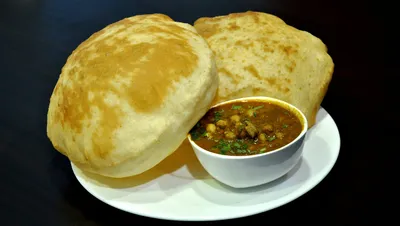
Chole Bhature Recipe: Dark Chole, Puffed Bhature
Bhature that stay flat are usually an oil-heat or rolling problem, and pale chole is a colour trick away from fixed. Both, with real amounts.
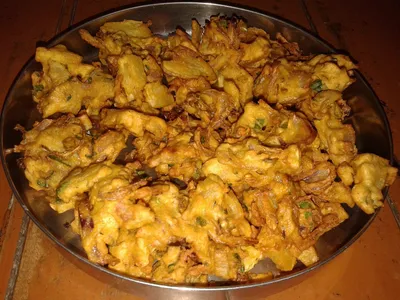
Can You Reuse Frying Oil? Pakora, Fish and Samosa Rules
A pan of oil is expensive, and tipping it after one batch of pakoray feels wasteful. Here is how to reuse frying oil safely and when to let go.
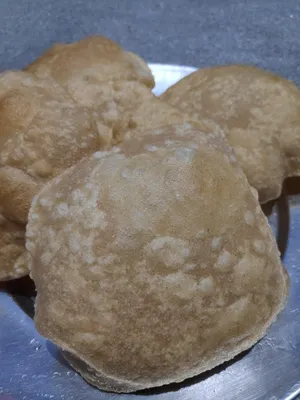
Why Won't My Puris Puff? Flat and Oily Puri Fixes
A good puri balloons in seconds. A bad one sinks and drinks oil. Dough firmness, oil heat and rolling thickness are the three things to check.