 Degchi
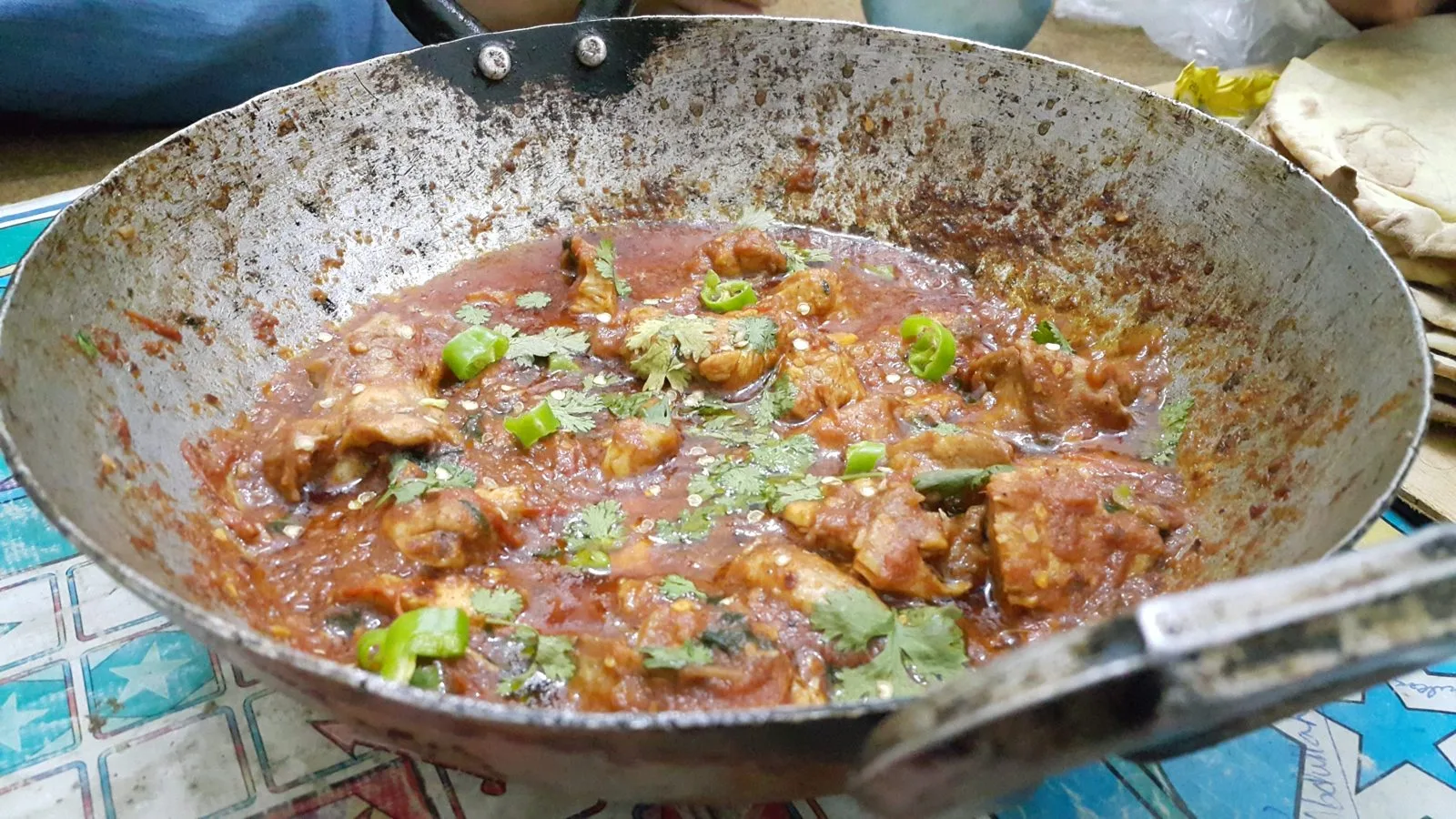
Photo: Kskhh / CC BY-SA 4.0
How to Control Heat in Chicken Karahi: Chillies Explained
Your karahi is either sleepy or painful
Two bad dinners happen with chicken karahi. In the first, you followed the recipe and nobody at the table could taste anything but tomato. In the second, you cooked for a mixed group, someone's eyes watered at the first bite, and the plain yogurt came out of the fridge halfway through the meal. Both are the same mistake: treating "spice" as one thing.
In a karahi, heat arrives from three different places, at three different moments, and each behaves differently. Once you know which is which, you can build a karahi that suits the person eating it, which is the whole point of cooking at home.
Where the heat in karahi comes from
The chicken karahi in our recipe library is built for 4 people on 800 g (1.75 lb) of bone-in chicken. The heat sources in it are:
- 5 green chillies, slit lengthwise and added with the tomatoes.
- 1 tsp red chilli powder, added at the same time.
- 1 tbsp ginger paste (plus extra julienned ginger on top), which adds a sharp, warm bite that is not chilli at all.
Notice what is missing: no onion, no garam masala, no added water. The recipe says traditional karahi relies on ginger, garlic, tomato and green chilli to carry the flavour. With so few ingredients, every chilli is audible.
Green chilli versus red chilli powder
They are not interchangeable.
Green chillies give a bright, fresh, slightly grassy heat. How much reaches the gravy depends on how you cut them. Left whole or slit, they release heat gradually and you can fish them out. Chopped fine, the seeds and membrane go straight into the sauce, and the heat is much harder to take back. The recipe slits them, and that is a good default for a family pot: you get the aroma and moderate heat, and anyone sensitive can push the pieces aside.
Red chilli powder gives a deeper, rounder, more lingering heat and the red colour in the oil. It disperses through the entire gravy, so it cannot be removed. This is the dial to be careful with. It also varies a lot by brand and age: some powders are mostly colour, some are fierce. Taste a pinch on your finger before you commit a full teaspoon.
A useful split: let green chilli handle the "fresh" heat and let red powder handle the colour. For a mild pot, keep the 1 tsp of red powder only if yours is a colour-forward Kashmiri-type, otherwise cut to 1/2 tsp.
A heat ladder for the same pot
These are starting points rather than lab results, so adjust them to your own chillies.
| Heat level | Green chillies | Red chilli powder | Notes |
|---|---|---|---|
| Mild (children, guests) | 2, whole, pierced once | 1/2 tsp | Add extra ginger so it still tastes lively |
| Medium (the recipe) | 5, slit | 1 tsp | As written in the recipe |
| Hot | 7 to 8, slit, plus 4 more fine-chopped at the end | 1.5 tsp | Taste at the 3-minute dry-down stage |
| Peshawari-style salt-and-chilli | 6, slit | None | Salt, tomato and green chilli only |
<!-- VERIFY: the mild/hot quantities in this table are our own suggested scaling from the base recipe, not tested values. -->
The Peshawari row comes from the recipe's own note that namkeen karahi uses little more than salt, tomato and green chilli. Dropping the red powder entirely is a clean way to get heat without the lingering burn.
Timing: when you add the chilli matters
In the recipe, the chillies and powder go in at step 3, after the chicken has seared for 6 to 7 minutes and before the tomatoes have broken down. They then cook covered for about 15 minutes and uncovered on high for 3 to 4 minutes at the end.
That long exposure is why karahi gets hotter as it dries down. As the water evaporates, the chilli compounds concentrate in less liquid. So a gravy that tasted comfortable at minute 20 can taste noticeably sharper at minute 25. Taste and adjust at the end, not in the middle. If you want a gentler result, add some of the green chilli late, in the last few minutes, so it perfumes the dish rather than soaking in.
Fixing a karahi that is already too hot
Do not add water. It dilutes the dried-down gravy that you worked for and leaves a thin, sad sauce. Instead:
- Fish out the green chilli. Slit chillies come out easily. Do this first.
- Add richness off the heat. A spoonful of cream or a tablespoon of thick yogurt softens the burn. Add yogurt only after taking the pot off the heat and stir constantly; our guide on why curries curdle with yogurt explains why.
- Add more of everything else. Another chopped tomato, cooked down for 5 minutes, spreads the same chilli across more volume.
- Serve with a cooling side, such as plain yogurt, sliced cucumber or hot naan, which absorbs some of the oil carrying the heat.
If a whole pot is a lost cause, use it as a base: dilute with a little stock and rice the next day. See fixing curries that are too salty or too sour for similar rescue logic.
Fixing a karahi that is too flat
If it is bland rather than hot, look at salt first, then acid. Many flat karahis are under-salted. A pinch of salt and a squeeze of lemon at the end often wakes up the whole pot more than extra chilli would. If you still want more heat, add fresh sliced green chilli and a little extra julienned ginger on top, instead of more chilli powder. Powder added late tastes raw and dusty because it has not cooked in oil.
What about the other pots?
The same logic applies in other curries, but the numbers change. The chicken handi in our library uses only 2 green chillies and 1 tsp red powder, then mellows with yogurt and cream, so it reads much milder. The chicken qorma uses 1 tsp of red chilli with cardamom and cinnamon and is described as rich and mild rather than fiery. If you want to understand why the three feel so different, our comparison of handi vs karahi walks through it.
A mistake list for next time
- Using the same teaspoon of chilli powder after switching brands without tasting.
- Chopping green chillies fine for a pot that includes children.
- Tasting at minute 10 and adding more, then forgetting the gravy will concentrate.
- Adding water to cure heat.
- Skipping the lemon and salt check at the end.
If you keep a pantry list of what you have, such as green chillies and your chilli powder, Degchi can suggest what to cook with it from the try-it page, but the heat decisions are yours at the stove.
Related recipes
Related posts
How Long to Marinate Chicken Tikka (and When to Stop)
Our chicken tikka needs at least 3 hours in the marinade and gets better overnight. Here is what happens in the fridge, why lemon changes the clock, and when it is too long.
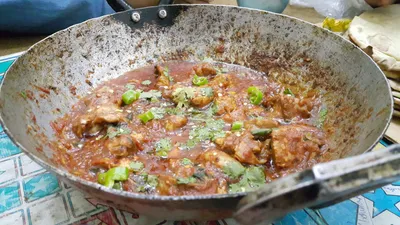
Chicken vs Mutton Karahi: Cuts, Pot Time and Pan Size
Same karahi, different clock. Chicken is done in 30 minutes; mutton needs about an hour of covered cooking. Here is what changes in the cut, the pan and the order of steps.
Karahi: How to Tell the Oil Has Separated and It Is Done
Every karahi recipe says cook until the oil separates. Here is what that looks like at each stage, and what to do when the gravy stays watery.
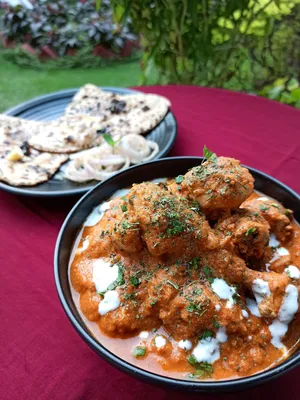
Lal Mirch, Kashmiri, Deggi, Cayenne: Which Red Chilli Powder?
Your curry came out brick red and fiery, or pale and tame. The red chilli powder you picked is usually why. A guide to lal mirch, Kashmiri, deggi mirch, cayenne and paprika.