 Degchi
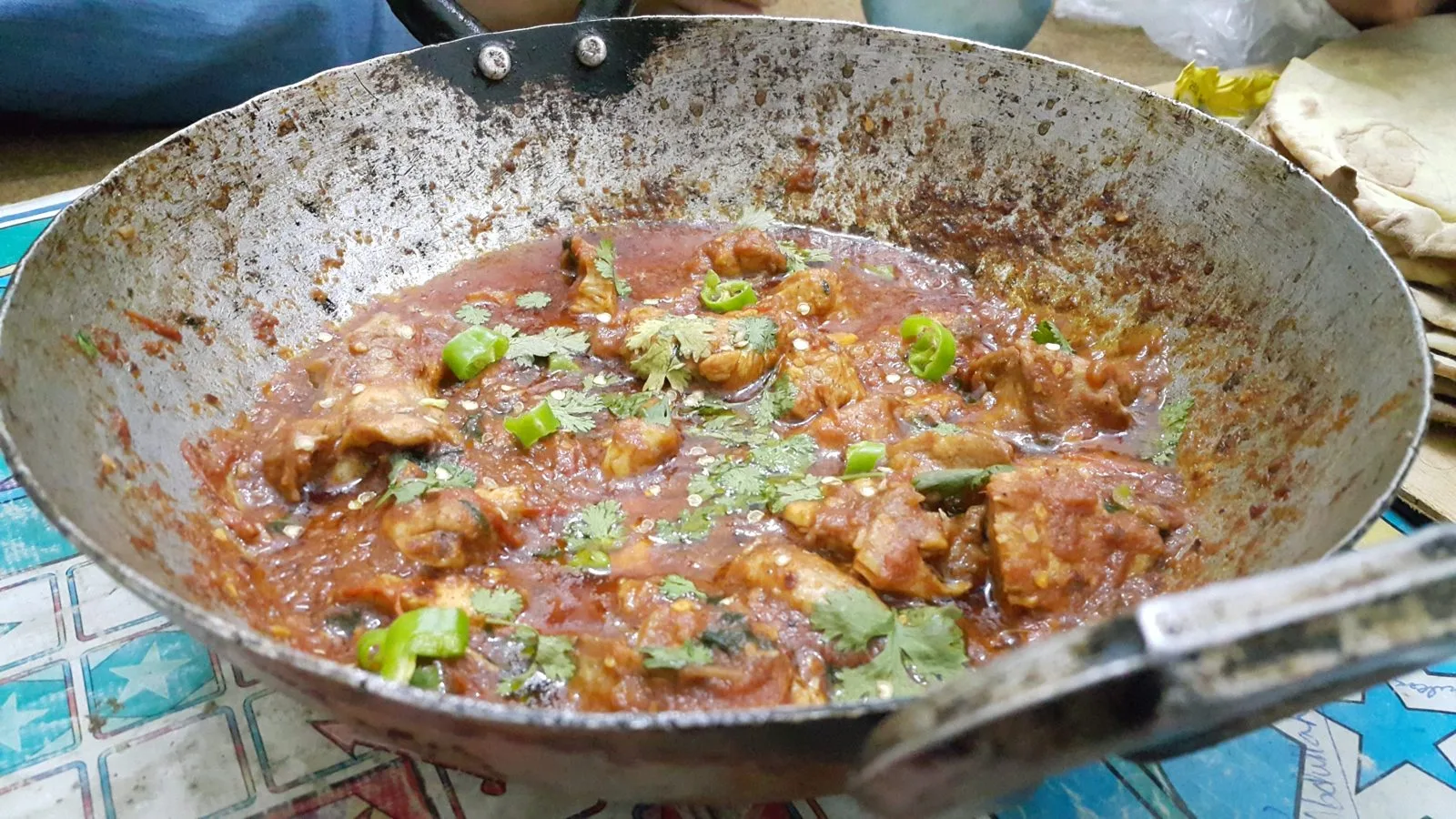
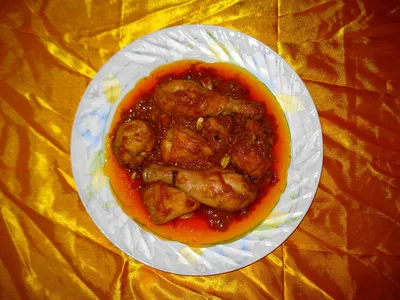
Photo: Kskhh / CC BY-SA 4.0
Chicken vs Mutton Karahi: Cuts, Pot Time and Pan Size
You swapped the meat and the dinner ran two hours late
It sounds harmless: take your chicken karahi, put mutton in the pot, cook as usual. Thirty minutes later the gravy is perfect and the meat is chewy. Or you reverse it, cook chicken for an hour because that is what mutton needed, and end up with stringy pieces in a dry gravy.
The recipe for chicken karahi and the plan for mutton karahi share a skeleton (hot oil, ginger-garlic, meat, tomato, chilli, no onion, no added water), but the timeline is different. This post sets them side by side.
The timing, side by side
Our chicken karahi recipe is 15 minutes of prep and 30 of cooking for 800 g (1.75 lb) of chicken. The recipe tips note that mutton works too but needs about an hour of covered cooking. That is the key difference.
| Stage | Chicken (800 g) | Mutton (same weight) |
|---|---|---|
| Sear in hot oil | 6 to 7 min, high heat | 8 to 10 min, high heat |
| Covered cook with tomato | About 15 min | About 60 min, medium-low |
| Dry-down, uncovered | 3 to 4 min, high heat | 5 to 8 min, high heat |
| Rest before serving | Not needed | 5 min, off heat |
| Total from first oil | About 30 min | About 80 min |
<!-- VERIFY: the mutton stage timings other than "about an hour of covered cooking" are our own estimates; tenderness depends on the cut and the animal's age. -->
The 60-minute figure for mutton is the one the recipe itself states. The sear and rest numbers are working estimates you should adjust by feel.
Which cuts to buy
Chicken. The recipe's tip is to use bone-in chicken cut small. Bones add flavour to the gravy, and small pieces (roughly 4 to 5 cm, or 2 inches) cook in the time the tomatoes take to break down. Skinless thighs and drumsticks are a good middle ground; breast meat dries out fastest and suits only a quick, careful version. If you are shopping on a budget, our guide to halal chicken cuts covers what to ask for.
Mutton. Bone-in shoulder, leg or chops pieces give the most flavour. Ask the butcher to cut into 4 to 5 cm pieces including some fat, because fat is what carries the flavour in a dry-style karahi. Very lean meat tends to turn tough before it turns tender. Our longer note on getting mutton karahi tender goes into this.
What to change in the pan
Use enough fat for mutton. The chicken recipe calls for 5 tbsp of oil. Mutton usually benefits from similar or slightly more, since the meat will cook for much longer, but go by what you see: you want a glossy film at the end, not a pool.
Cover tightly for mutton. In the chicken recipe, covering for 15 minutes is a short step. For mutton, a tight lid with a small crack of steam is the thing doing the work for an hour. If the gravy is drying too fast, the heat is too high.
Check water carefully. The chicken recipe says never add water because the tomatoes and chicken release enough. That holds for chicken. Mutton may need a splash (up to 1/2 cup, 120 ml) of hot water around the 30-minute mark if the pot has gone dry and the meat is still firm. Add hot, not cold, to keep the cooking temperature steady.
<!-- VERIFY: adding up to 1/2 cup hot water to mutton karahi is a common cook's adjustment; not from our recipe data. -->
Switch the pot if you can. A wide karahi dries a gravy fast, which suits chicken. For an hour of mutton, a heavier, deeper pot holds the steam better. If you cook mutton in a thin pan, you will be adding water and chasing the clock. Our comparison of karahi pans for tomato gravies explains which pans behave.
How to tell mutton is ready
For chicken, the check is 74 C (165 F) in the thickest piece, or clear juices. For mutton, temperature is the minimum, not the goal. You want a piece that gives when pressed with a spoon and pulls from the bone without a fight. If you pierce a piece with a fork and meet resistance, give it another 10 minutes covered and test again.
Smell is a decent clue too. Early on, the pot smells of raw tomato and spice. When it is ready, you will smell browned fat and cooked-down tomato, and oil will be separating at the edges of the gravy.
Cooking both for one table
Plenty of households want both: mutton for the main eaters, chicken for children or guests who do not eat red meat. Here is a workable plan.
- Start the mutton about 80 minutes before dinner. Sear it, add tomatoes and chilli, cover and leave it.
- At about 35 minutes before dinner, begin the chicken in a second pan.
- Uncover both pots for the dry-down within a few minutes of each other.
- Serve from the pans with hot naan, roti or plain rice.
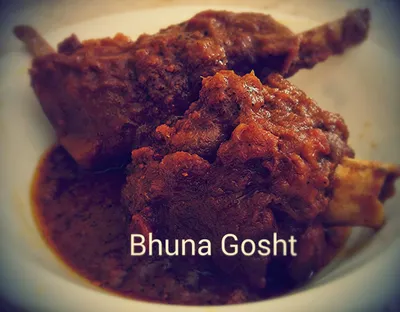
For reference, the chicken handi in our library (15 minutes prep, 40 cooking) is a gentler option if one guest finds karahi too sharp: it uses yogurt and cream and only 2 green chillies. And if you want a long, slow, dry-roasted mutton dish rather than a karahi, the bhuna gosht recipe gives 65 minutes of cooking with deeply fried onion; our bhuna guide covers that technique.
A timing sheet for a 7 pm dinner
- 5:30 pm: Mutton pieces out of the fridge, salted lightly, left at room temperature.
- 5:40 pm: Sear mutton.
- 5:50 pm: Tomatoes, chilli, salt in; cover, medium-low.
- 6:25 pm: Chicken seared, then tomatoes in.
- 6:50 pm: Uncover both, high heat dry-down.
- 7:00 pm: Serve.
Degchi's pantry can remind you what you have before you plan this: see the try-it page for a quick look at what you can cook from your shelf.
Recipes with yogurt Recipes with tomatoes Recipes with onions
Related recipes
Related posts
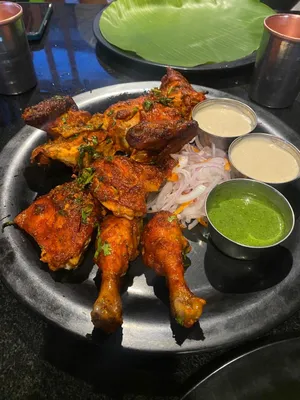
How Long to Marinate Chicken Tikka (and When to Stop)
Our chicken tikka needs at least 3 hours in the marinade and gets better overnight. Here is what happens in the fridge, why lemon changes the clock, and when it is too long.
Scaling Chicken Qorma for 12 People Without Ruining It
Our qorma serves 4 from 800 g of chicken. Here is what to triple, what not to, and how to manage the pot, onions and yogurt when you cook for 12.
How to Control Heat in Chicken Karahi: Chillies Explained
Our chicken karahi uses 5 green chillies and 1 tsp red chilli powder for 800 g chicken. Here is what each one does, how to turn the heat up or down, and how to rescue a pot that went too far.