 Degchi
Lal Mirch, Kashmiri, Deggi, Cayenne: Which Red Chilli Powder?
One word, five very different powders
"Add 1 teaspoon red chilli powder." The recipe stops there. In a US supermarket, "chili powder" is a spice blend with cumin and garlic in it, and not chilli at all. In a desi shop, the shelf has four or five packets of red powder at four different prices, and the colours range from dull brick to a glowing scarlet.
If your curry has ever come out fiery and brown when you wanted bright and mild, or the other way round, this is likely the reason. Here is how the powders differ and how to choose between them.
First, the US trap
American chili powder (spelled that way) is a seasoning mix: ground chilli plus cumin, garlic powder, oregano and often salt. It is not what a desi recipe means. If you use it in a karahi, you get Tex-Mex flavour. What you want is ground red chilli, sold as "red chilli powder", "lal mirch powder" or "cayenne".
Lal mirch powder: the everyday one
Lal mirch just means "red chilli". The plain "red chilli powder" in a desi shop is usually ground dried red chillies with a decent kick. Heat varies a lot by brand and crop. There is no standard, so the first time you open a new packet, taste a pinch on your fingertip, and add less than the recipe asks, then adjust.
It is the workhorse for daal tadka, everyday curries and anything meant to be hot. Stored badly, it dulls in colour and loses punch.
Kashmiri chilli powder: colour with gentle heat
Made from the long, deep-red, wrinkled chillies grown in the Kashmir region, this powder is prized for the vivid red it gives a dish while staying comparatively mild. Commonly quoted heat figures put it well below cayenne, so you can use a spoonful for colour without the dish turning punishing.
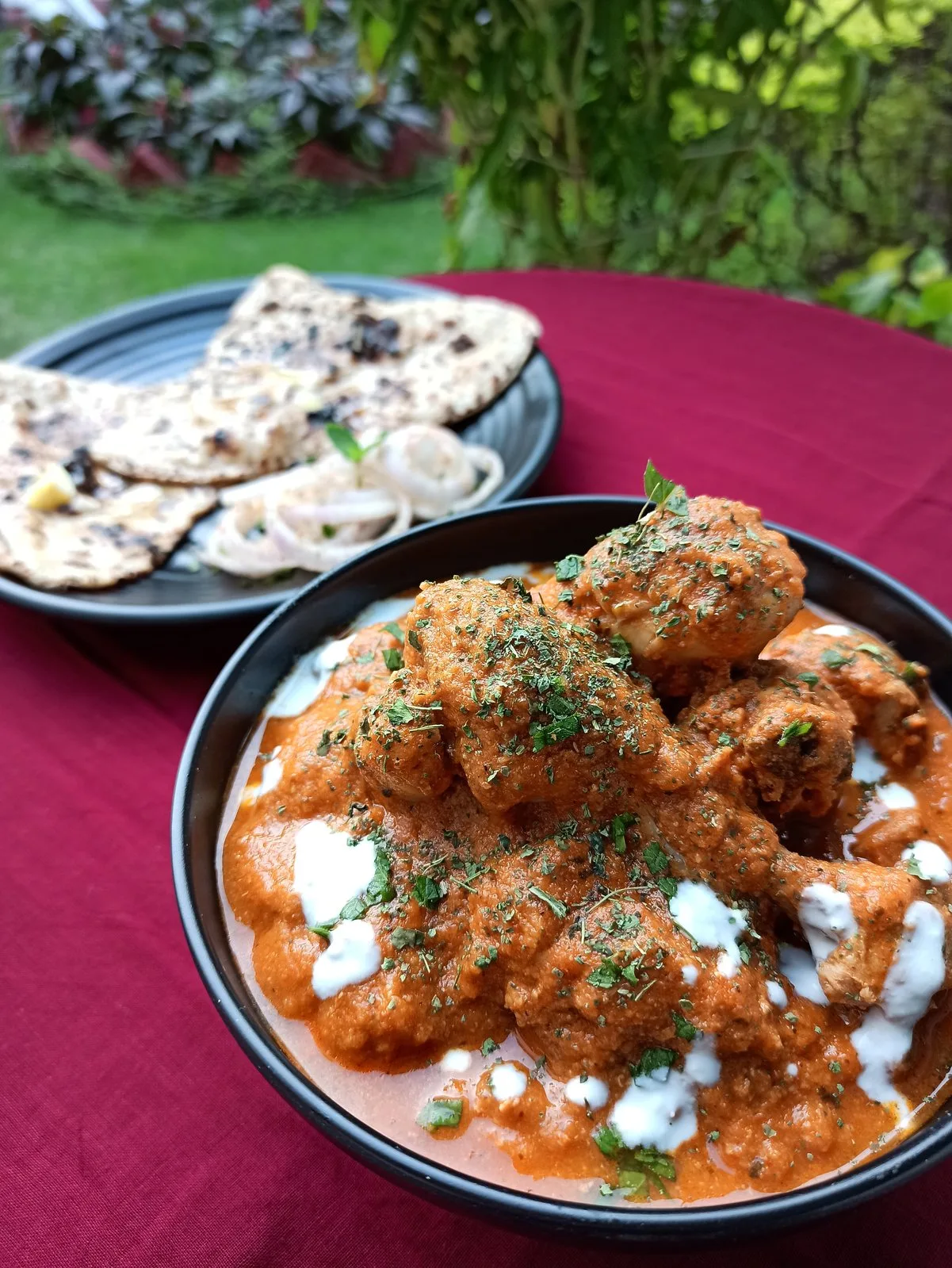
It is the answer when you want a restaurant-red butter chicken, chicken tikka marinade or rogan josh without scorching your family. Many cooks use it for colour and add a small amount of hotter powder for heat. Mixed, you control both.
Note that "Kashmiri" on a label does not always mean it came from Kashmir. Treat it as a style, and judge by the colour and by how mild it tastes.
Deggi mirch: the blended, bright one
Deggi mirch is generally sold as a blend, usually pitched as bright red and mild to medium in heat. It takes its name from the deg, the large cooking pot used in traditional kitchens. Brands use different mixes, so the colour and heat are not guaranteed from one packet to the next.
It is a good middle ground if you want colour and a moderate bite without buying two packets. If a recipe lists deggi mirch and you have only Kashmiri, use the same amount and add a pinch of a hotter powder at the end if the heat is low.
Cayenne: hotter, no fuss
Cayenne is the supermarket chilli you will find anywhere. It is typically a lot hotter than Kashmiri powder, and a lot more orange than deep red. As a stand-in for lal mirch it works, but start at half the amount in the recipe and taste. Using it in place of Kashmiri chilli makes a dish hotter and less red.
Paprika: colour almost without heat
Sweet paprika adds red colour and a mild, sweet-pepper flavour, with very little heat. It is a rough substitute for Kashmiri chilli for colour. Smoked paprika adds a smoky note that desi recipes do not expect, so do not use it unless you want that. Hot paprika sits somewhere between sweet and cayenne.
A sensible emergency mix when you have no desi chilli: sweet paprika for colour plus a little cayenne for heat. Start with equal amounts of paprika to the recipe's chilli, and add cayenne in small pinches to taste.
Chilli flakes and whole dried chillies
- Crushed red chilli (kuti hui lal mirch) is coarse flakes with seeds, used for sprinkling, achar and a rough heat. It gives texture and pops of heat rather than even colour.
- Whole dried red chillies (sabut lal mirch) are the ones that go into the tadka. They perfume the oil, and you pick them out or leave them, depending on how hot you want the dish to be. Snap off the stem and shake the seeds out for less heat.
Which one for which dish
| Goal | Reach for |
|---|---|
| Bright red, family-friendly gravy | Kashmiri powder, plus a pinch of hot powder if needed |
| Everyday hot curry | Standard lal mirch powder |
| Restaurant-style marinade for chicken tikka | Kashmiri or deggi mirch |
| Fiery, dark meat gravy such as nihari or karahi | Lal mirch, with the amount adjusted to your table |
| Spice for the tadka | Whole dried chillies, powder added at the very end |
Timing matters as much as the type
Ground chilli burns in seconds in hot fat and turns bitter. Add it to a tadka off the heat, or stir it into the masala with a splash of water so the temperature drops before it scorches. If a gravy is already too hot, stirring in yogurt or a little sugar or tomato rounds the edge. Our curry too salty or sour post and gravy splitting guide go through related fixes.
A heat-control routine for a mixed table
Cook the pot at mild heat, using Kashmiri powder for the colour. Serve a small dish of hot chilli powder fried in a spoon of oil, or sliced green chilli, so each person can raise their own level. It is more flexible than guessing for the whole family.
Degchi's recipe pages list each spice as Have or Out against your pantry, so you can see whether you own the right chilli before you start. You can try that from the home page.
Related recipes
Related posts
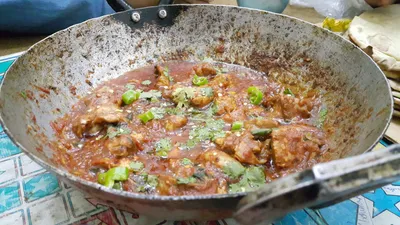
How to Control Heat in Chicken Karahi: Chillies Explained
Our chicken karahi uses 5 green chillies and 1 tsp red chilli powder for 800 g chicken. Here is what each one does, how to turn the heat up or down, and how to rescue a pot that went too far.
Capsicum, Shimla Mirch, Bell Pepper and Chilli Names
Capsicum, shimla mirch and bell pepper are the mild one. Hari mirch, lal mirch and Kashmiri chilli are the hot or colourful ones. Here is how to keep them straight.