Degchi
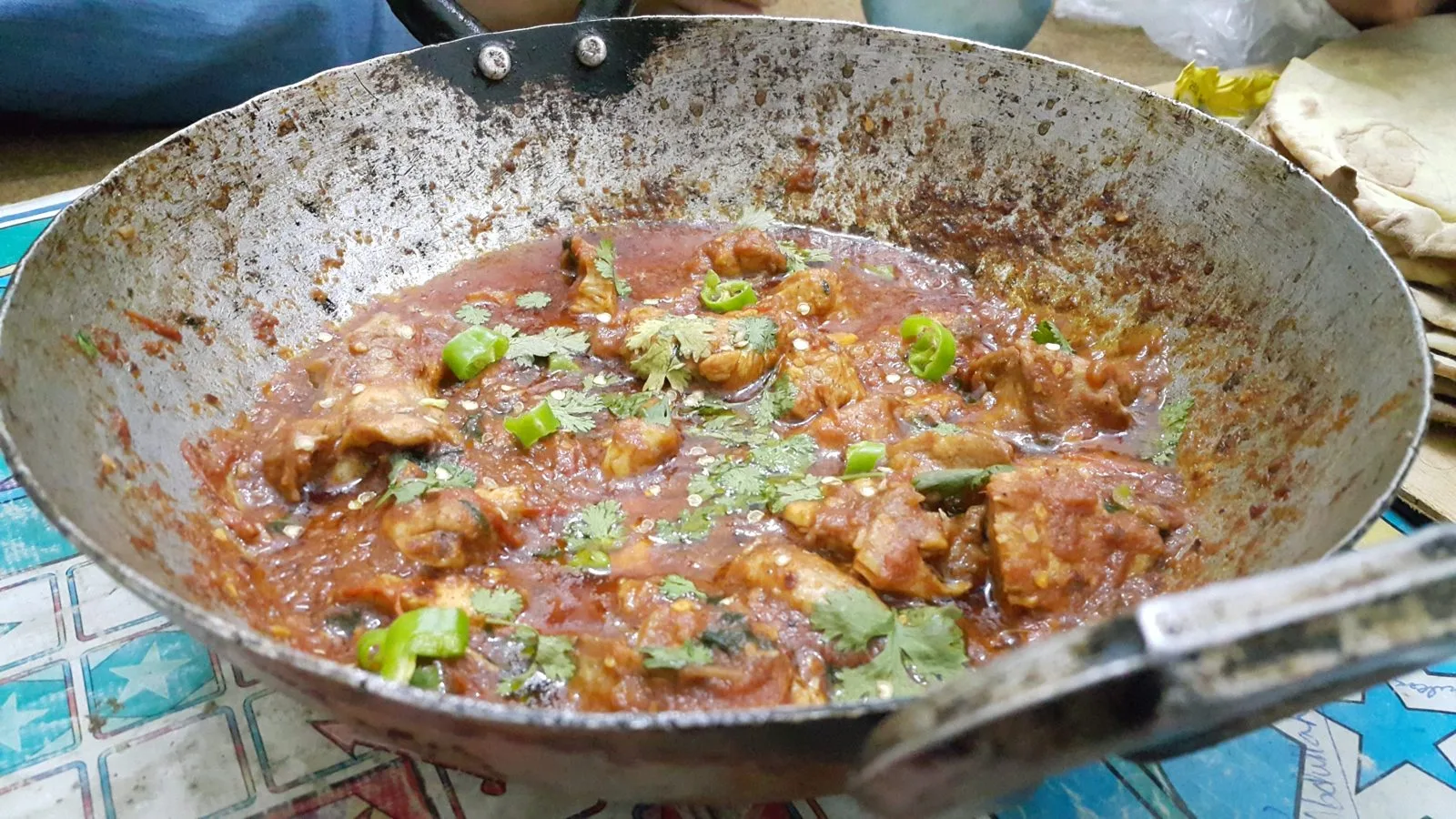
Photo: Kskhh / CC BY-SA 4.0
Capsicum, Shimla Mirch, Bell Pepper and Chilli Names
A recipe asks for "2 mirch, chopped". Do you reach for the green bell pepper or the thin green chilli that makes your eyes water? Both are mirch in everyday talk, and the difference between them is the difference between a mild dinner and one nobody finishes.
Here is a name guide for the whole pepper and chilli family, with the spots where the word changes from place to place.
Capsicum, shimla mirch and bell pepper: the mild one
These three names describe the large, hollow, mild pepper.
- Capsicum is the usual word in India, Pakistan, Australia, the UK and much of the Commonwealth.
- Bell pepper is the common word in the US. In the UK you may also see "pepper" alone, as in "a red pepper".
- Shimla mirch is the Hindi and Urdu name. It means, roughly, Shimla chilli, after the hill town. Shimla is often given as the place the vegetable became popular in India, but the origin story is told in different ways, so treat it as folk history.
It comes in green, red, yellow and orange. Red, yellow and orange are the same plant left to ripen longer, so they taste sweeter. Green is picked earlier and tastes a little grassy and sharper.
A medium capsicum is around 150 to 200 g (5 to 7 oz). That is a reasonable guide if a recipe says "1 capsicum".
Hari mirch: the hot green one
Hari mirch means "green chilli" and it is the thin, pointed, hot chilli. In English it is often sold as green chilli, finger chilli, Thai chilli or bird's eye chilli, depending on the shop and the size. They are not identical in heat.
A few things help:
- Smaller and thinner usually means hotter.
- Most of the heat sits in the white pith and seeds. Slit it and remove them for a milder dish.
- Wear gloves or wash your hands well after handling, and keep them away from your eyes.
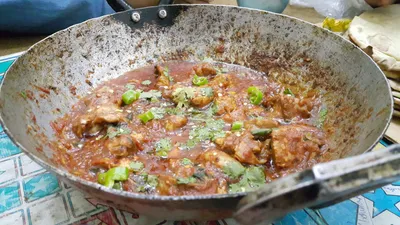
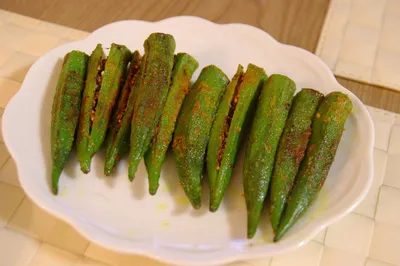
You will see it in chana masala, in bhindi masala and in karahi, where chopped green chilli is often added at the end for a fresh bite.
Lal mirch: dried red, whole or ground
Lal mirch means red chilli. It has two forms.
- Whole dried red chillies (sabut lal mirch). Added to hot oil in a tadka, or toasted and ground. See what is tadka for how they behave in hot fat.
- Red chilli powder (lal mirch powder), the ground form, ranging from mild to very hot depending on the brand and the chilli used.
Be careful with "chilli powder" on a US supermarket label. In the US it often means a blend with cumin, garlic and other seasonings, made for chili con carne, and it is not the same as pure ground chilli. Look for "cayenne" or an Indian grocer's "red chilli powder" for the real thing.
Kashmiri chilli: colour first, heat second
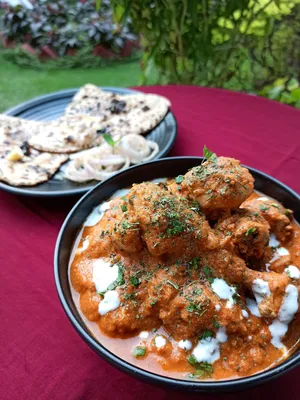
Kashmiri chilli (Kashmiri mirch) is the name for a dried red chilli that is valued for its deep red colour and a comparatively gentle heat. Many cooks use it to colour a gravy without making it burning hot. Butter chicken and similar tomato gravies are the dishes people most often connect with it.
Two cautions:
- The name on a pack varies. "Kashmiri chilli powder" from different brands is not always the same heat or even the same chilli, so taste a pinch first.
- If you cannot find it, mild paprika is a common stand-in for colour. It will not give the same flavour, but it gets the red. Add pure chilli powder separately if you need heat.
A table to keep on the fridge
| Name you read | What it is | Heat | Often used for |
|---|---|---|---|
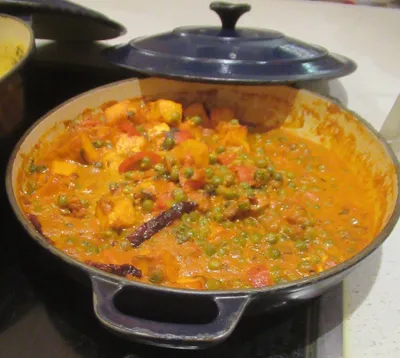
| Capsicum, shimla mirch, bell pepper | Large hollow pepper | None | Stir-fries, matar paneer style sabzi, pulao |
| Hari mirch, green chilli | Thin green chilli | Medium to high | Tempering, chutney, finishing |
| Lal mirch (whole) | Dried red chilli | Medium to high | Tadka |
| Lal mirch powder | Ground red chilli | Varies by brand | Base spice |
| Kashmiri mirch | Dried deep red chilli | Mild to medium | Colour in gravy |
| Paprika | Ground sweet or smoked pepper | Mild | Colour substitute |
Where the names split by region
Names are not neat. A few points where people disagree or where a shop uses a different label:
- Banana pepper, Anaheim, jalapeno. Western shops sell these as medium chillies. Some desi cooks use them in place of hari mirch to get less heat.
- Long green chilli. In some regions, a longer, thicker green chilli is used for stuffing or frying. It is sometimes called bhavnagri or by another local name, depending on where you shop.
- Mirch used alone. Often means chilli, but in some homes it also refers to pepper in general. If a recipe lists "kali mirch", that is black pepper, not a chilli.
When a recipe is unclear, decide by the other ingredients, and check the heat level against your own tolerance.
Buying and storing
- Fresh green chillies keep in a paper bag in the fridge for roughly a week or so, depending on how fresh they were.
- Whole dried chillies keep much longer in a jar in a cool cupboard.
- Capsicum keeps in the fridge crisper, but goes soft after a week or two.
For a few swaps when your shop lacks a particular chilli, see desi ingredient substitutes abroad. If you want to try the names in action, the pantry sandbox lists capsicum and green chilli as separate items, so a recipe asking for one will not be matched to the other.