 Degchi
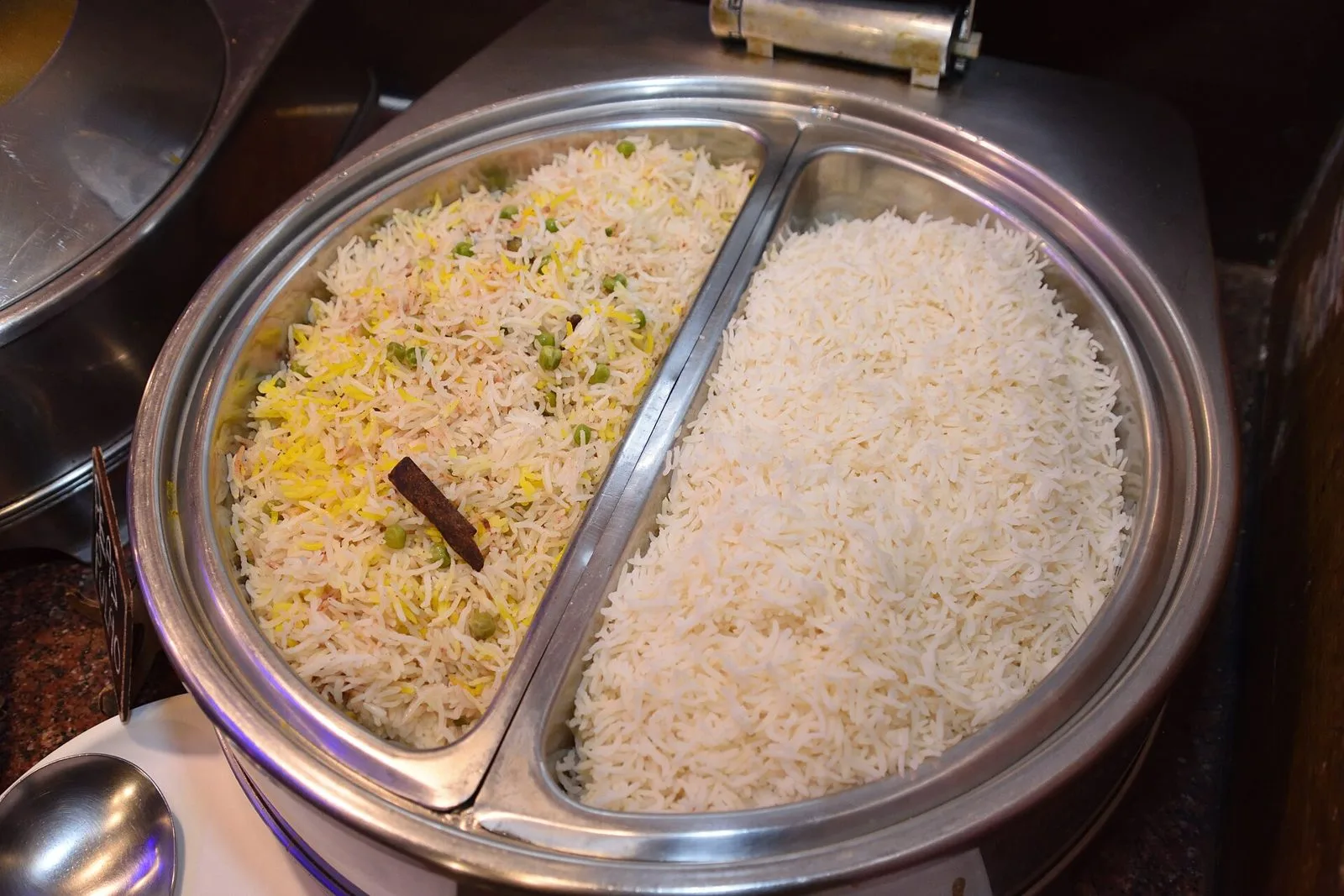
Photo: Biswarup Ganguly / CC BY 4.0
Elaichi, Laung, Dalchini: Whole Spice Names in English
The recipe says "add elaichi, laung, dalchini and tej patta". You are standing in a US or UK supermarket and the labels say cardamom, clove, cinnamon and bay leaf. Some of these match perfectly. One does not. And the one that does not can quietly change your pulao.
This guide covers the whole spices behind most rice dishes and rich gravies: the names in Urdu, Hindi and English, what each one does, and what to buy when the shop does not stock the exact thing.
The four names you will meet first
| Desi name | English | Looks like | Role |
|---|---|---|---|
| Elaichi (chhoti elaichi) | Green cardamom | Small green pods | Sweet, floral lift |
| Laung | Clove | Tiny dark nail-shaped buds | Strong, warm, numbing |
| Dalchini | Cinnamon (or cassia) | Brown bark curl or quill | Warm, sweet |
| Tej patta | Indian bay leaf | Long leaf with three veins | Mild, cinnamon-like aroma |
Elaichi: green cardamom and its larger cousin
Green cardamom is the one used in kheer, chai and biryani. Crush one or two pods and drop them into rice water or milk. The bigger black or brown pod, called badi elaichi, is a different spice: smoky, camphor-like, used in meat gravies and chicken qorma. Do not swap them one for one. A recipe that asks for badi elaichi in a gravy will taste odd with green cardamom, and sweets made with black cardamom taste smoky.
At the shop, ask for "green cardamom pods" and "black cardamom". If you buy ground cardamom, use less, since it loses aroma quickly.
Laung: clove
Cloves are potent. Two or three whole cloves flavour a whole pot of rice. In a gravy, fish them out before serving or warn guests, since biting into one is unpleasant. Ground clove is far stronger than whole; a pinch is plenty.
Dalchini: cinnamon or cassia?
Here is the one that confuses. Most "cinnamon" sold in North America is actually cassia, the thicker, darker, harder bark. True Ceylon cinnamon is thinner, paler and more delicate. Desi cooking commonly uses the harder bark, closer to cassia, in meat and rice dishes. So a stick of supermarket cinnamon is perfectly fine in a pulao. For desserts you can use either. A single stick in the pot is enough; two overwhelms.
Tej patta: not the same as Western bay leaf
Tej patta comes from a cinnamon-family tree and has a mild cinnamon-clove aroma, while the Mediterranean bay leaf in most Western shops is from a laurel and tastes more herbal and slightly bitter. In a pulao or biryani, using Western bay leaf will not ruin the dish, but the aroma is different. Ask at a South Asian grocer for "tej patta" or "Indian bay leaf" to get the right one. If you can only find the laurel type, use one leaf rather than two.
The other whole spices in the same pot
- Kali mirch (black peppercorn): sold the same everywhere.
- Zeera (cumin seed): see jeera, zeera, shahi jeera, kalonji and ajwain for the whole family of seeds.
- Jaiphal and javitri (nutmeg and mace): used sparingly in biryani and qorma. Mace is the lacy covering of nutmeg; a tiny piece goes a long way.
- Saunf (fennel seed): sweet, anise-like, used in some gravies and as a mouth freshener.
- Star anise (badiyan): a strong, liquorice flavour used in some biryani blends. One star is plenty.
How the whole spices go into a pot
For matar pulao, the usual order is: hot oil or ghee, whole spices for 30 seconds until fragrant, then onions, then rice and liquid. Keep the heat moderate; burnt cloves and cardamom turn bitter. For chicken pulao and chicken biryani, whole spices often go in with the stock so they perfume the rice during cooking. For chicken, cook to 74 C (165 F) in the thickest part before serving.
Buying and storing
Whole spices last longer than ground, but not forever. Store them in airtight tins in a cool, dark cupboard, away from the stove. If the aroma is faint when you crush a pod or rub a leaf, it is past its best. The spice shelf audit walks through a ten-minute check, and how long do spices last gives general guidance.
Buy small quantities from a store with high turnover. A large bag of cloves from a bargain shelf may be a year old already.
A one-page glossary to keep in the masala dabba
- Elaichi = green cardamom
- Badi elaichi = black cardamom
- Laung = clove
- Dalchini = cinnamon/cassia
- Tej patta = Indian bay leaf
- Kali mirch = black pepper
- Jaiphal = nutmeg, javitri = mace
- Saunf = fennel seed
- Badiyan = star anise
Print it or save it on your phone. If you cook from recipes in several languages, Degchi's recipe pages show ingredient names in each app language, which helps when the spice name on a packet is not the one in your head. Try it at degchi.matrixinn.net/#try. And if you only buy one new whole spice this month, make it green cardamom: a couple of pods in your tea will tell you why it earns its price.
Recipes with milk Recipes with ghee
Related recipes
Related posts
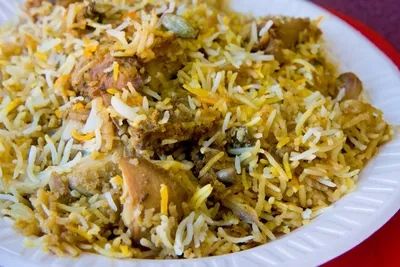
Why Is My Biryani Rice Mushy? Causes and Fixes
Mushy biryani rice has a handful of causes, and each one leaves a different clue in the pot. Find your symptom, then the fix for next time.
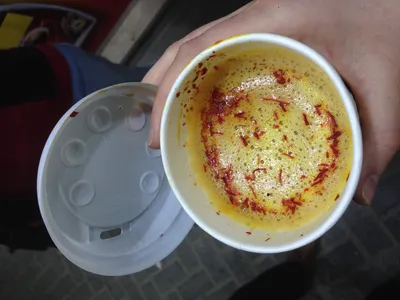
How to Make Karak Chai Stronger (or Milder) Without Bitterness
Strong chai and bitter chai are not the same thing. Four dials control strength: tea per cup, water, boil time and the milk. Here is how to turn each one, with numbers from three recipes.

Iftar for Two: A Small-Batch Plan With No Leftover Pile
Most iftar recipes feed ten. Here is a week of iftar for two: what to cook fresh, what to prep in the afternoon and how to avoid a fridge full of fried leftovers.
Tandoori Roti and Naan Without a Tandoor
A real tandoor runs far hotter than any home stove, but a hot tawa, a wet dough surface and a bit of nerve get you blistered tandoori roti and naan.