 Degchi
Photo: User:Justinc / CC BY-SA 4.0
Jeera, Shahi Jeera, Kalonji, Ajwain: Spice Seeds Mixed Up
The jar says "black cumin". Is it?
You bought "black cumin" for a recipe that wanted kalonji. It tastes like sweet, aniseedy cumin. The recipe wanted the sharp, oniony, bitter seed that sits on naan. Two different spices, same label on some shelves.
Desi seed names are an honest mess, because the same words are used for different plants from region to region. Here is a sorting guide to the six you will meet most, with a look and a smell for each, and a note on where the confusion bites.
Jeera / zeera: cumin
This is the everyday one: small, elongated, tan-brown seeds with fine ridges. It smells warm, earthy and slightly bitter. Jeera (Hindi) and zeera (Urdu) both mean cumin. In English-language shops it is "cumin seeds", or "ground cumin" if powdered.
Cumin is the usual first spice in a tadka: it goes into hot ghee or oil for 10 to 15 seconds, until it smells toasted. That is the finish in dal tadka and the hot tempering on kadhi. Our tarka vs baghar post shows the timing.
Shahi jeera and kala jeera: the confusing pair
This is where labels collide. Shahi jeera ("royal cumin") is commonly sold in desi shops as a thinner, darker, slightly curved seed that smells more perfumed and sweet-woody than ordinary cumin. It is usually what biryani and pulao recipes mean. In English that spice is often caraway (some sellers say "black cumin" or "royal cumin", which is where it goes wrong).
Kala jeera simply means "black cumin" in Hindi, and sellers apply it to more than one seed:
- the thin dark seed above (caraway or a close relative such as Bunium persicum);
- sometimes kalonji, which is a different plant altogether.
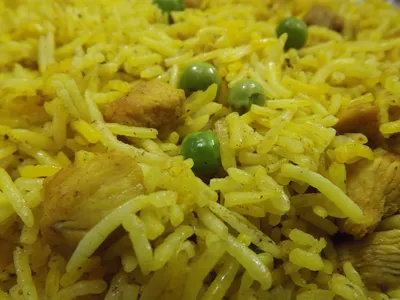
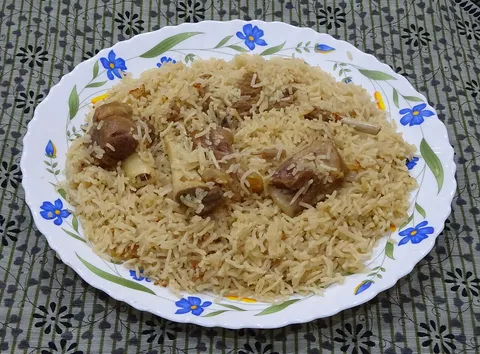
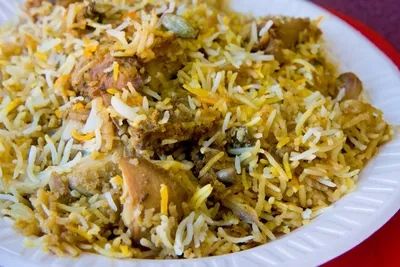
The practical rule: do not trust the English label alone. Smell the seed. Ordinary cumin is earthy and warm. Shahi jeera is sweeter, nearly anise-like. If a recipe for pulao asks for shahi jeera and you only have cumin, the dish will still work; it will just taste earthier and less delicate. Our chicken pulao, mutton yakhni pulao and Hyderabadi biryani pages show which whole spices they use, so check there before substituting.
Kalonji: nigella seed
Tiny, matte black, angular teardrop seeds. They smell slightly oniony, peppery and a bit like oregano, with a sharp, bitter edge. Names:
- Kalonji (Hindi, Urdu)
- Nigella or nigella seeds (the accurate English name)
- Black seed, black caraway, onion seed (all commonly used, and "onion seed" is misleading: it is not from an onion)
You see them sprinkled on naan, tucked into achar and used in Bengali panch phoron, the five-seed mix. Because the seeds are tiny and strongly flavoured, a pinch goes a long way. A teaspoon in a dish for four would be a lot.
Ajwain: carom seed
Ajwain (also ajowan or carom seeds, and "bishop's weed" in older English books) looks like a tiny, fat, ridged cumin. The smell is the giveaway: it is strongly thyme-like, sharp and almost medicinal. Raw, it numbs the tongue a little.
It shows up in fried doughs, parathas and snack batters, where its strong flavour is balanced by the fat. Rub the seeds between your palms before adding them to release the oils, a common cook's habit. Use it by the pinch; too much dominates a dish.
Do not substitute ajwain with cumin. If you have no ajwain, thyme is the closest herb in flavour, though you will use far less than a recipe asks for in seeds, and start with a small amount and taste.
Saunf: fennel seed
Pale green, larger than cumin, smooth and slightly curved, with a clear sweet, licorice smell. Called saunf (Hindi, Urdu) or fennel seeds in English. Often confused with aniseed (also licorice-sweet, but smaller and greyer), and sometimes with shahi jeera.
Saunf is sweet enough to be eaten raw after a meal, often coated in sugar. In cooking, it flavours Bengali tempering, Kashmiri dishes and many meat curries.
Rai / sarson and methi dana: two more to know
- Rai is black or brown mustard seed, and sarson is sometimes yellow mustard or the plant itself. The seeds pop in hot oil.
- Methi dana is fenugreek seed: small, hard, yellowy-brown, and bitter when raw. A few grains go a long way and they burn quickly.
Sorting them by sight and smell
| Seed | Look | Smell | Common label confusion |
|---|---|---|---|
| Jeera / zeera | Tan, ridged, elongated | Warm, earthy | Fine; "cumin" |
| Shahi jeera | Thin, dark, slightly curved | Sweet, perfumed | "Black cumin", "caraway" |
| Kalonji | Black, matte, angular | Oniony, peppery | "Black cumin", "onion seed" |
| Ajwain | Tiny, fat, ridged | Strong thyme | "Carom", "ajowan" |
| Saunf | Pale green, smooth | Licorice-sweet | "Anise" |
Storing and toasting
Whole seeds keep their flavour far longer than ground spices. For how long, see how long do spices last. Keep them in small airtight jars in a cool, dark cupboard, label them in English by plant name, and put the date on the lid. When the seeds smell faint, replace them.
A master tip for the shop: smell the seed through the packaging if it is clear, and buy small amounts of any seed you do not use weekly.
If a recipe in Degchi names a spice you cannot identify, you can mark it Out in your pantry and add it to your shopping list from the recipe page; try that from the home page.
Related recipes
Related posts
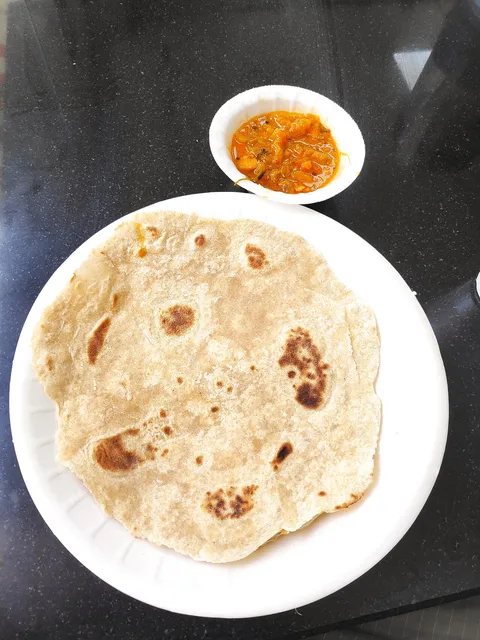
How to Season and Clean an Iron Tawa (No Rust)
A new iron tawa sticks, smokes and rusts if you treat it like a steel pan. A first-use routine, a daily wipe, and the rust fix, with the dough from our roti recipes.
How Long to Marinate Chicken Tikka (and When to Stop)
Our chicken tikka needs at least 3 hours in the marinade and gets better overnight. Here is what happens in the fridge, why lemon changes the clock, and when it is too long.

Doodh Patti for a Crowd: Scale the Pot, Not Just the Ratio
The doodh patti recipe serves two. Guests arrive and you need ten cups. The numbers scale in a straight line, but the pot, the time and the boil-over risk do not. A practical table inside.
Desi Mains: Which Suit Lunch and Which Suit Dinner?
Most desi mains work at either meal, so the real question is time and weight. Here are 20 dishes sorted by how long they take and when that time actually exists.