Degchi
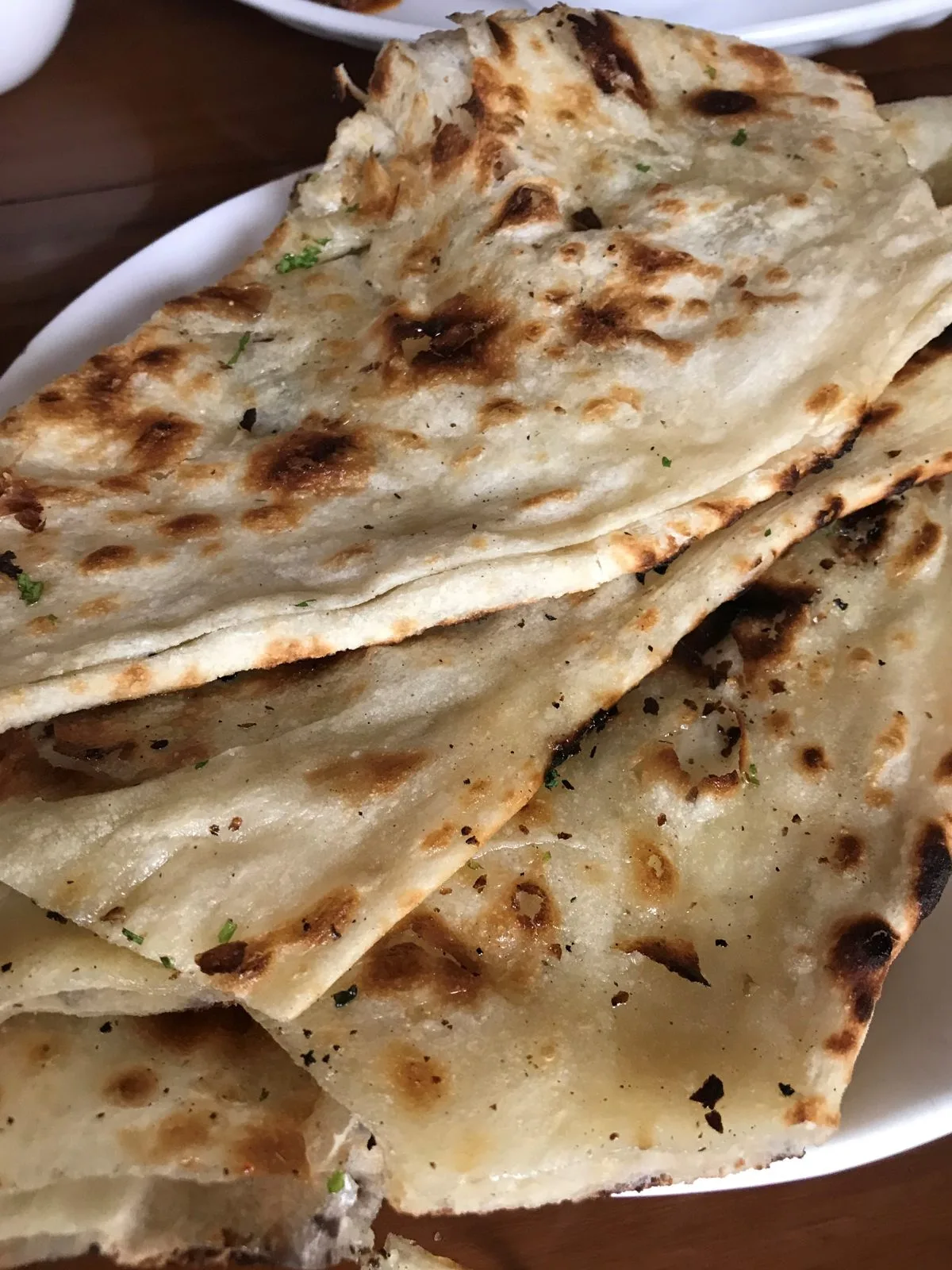
Photo: Rajeeb Dutta / CC BY-SA 4.0
Tandoori Roti and Naan Without a Tandoor
The bread that tastes of smoke
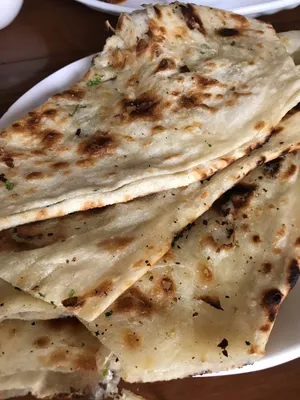
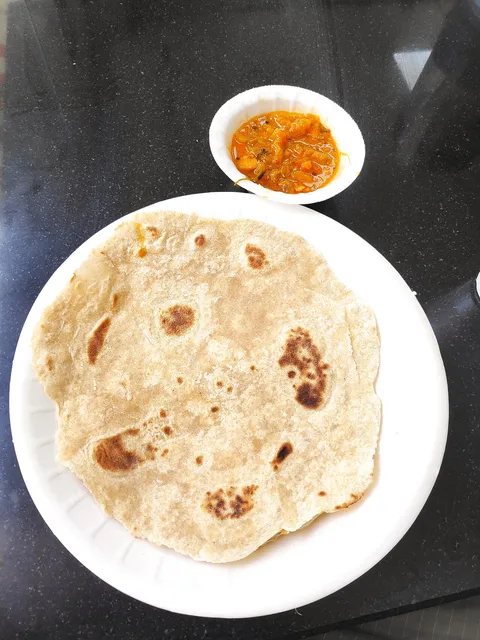
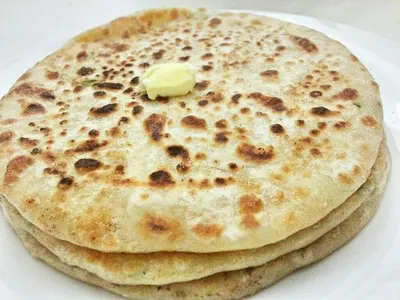
Restaurant tandoori roti has a particular character: blistered in patches, a little chewy, charred at the edges, a bit of dough still soft in the middle. That comes from a clay oven that sits far hotter than a home stove, with the bread stuck to the wall. You will not match it exactly. You can get surprisingly close, and the two recipes in our library, tandoori roti and tandoori naan, are built for a normal kitchen.
The roti needs only whole-wheat flour and takes about 35 minutes. The naan uses refined flour and a 2 hour rest. Both depend on the same trick: stick the dough to a very hot surface.
Roti: flour, water and a short rest
For 4 people our roti recipe uses 300 g (about 2.5 cups) of whole-wheat flour, salt, a tablespoon of ghee and half a teaspoon of nigella seeds (kalonji) if you like them. The method:
- Mix flour and salt, add warm water gradually and knead a soft, smooth dough.
- Cover and rest it. A rest relaxes the gluten so the dough rolls without springing back.
- Divide into balls about the size of a small orange.
- Roll each to a round slightly thicker than a regular roti. Thin rotis dry out and crack on the hot tawa.
Heat the tawa over a high flame until it is properly hot. A flick of water should vanish at once.
The slap: wet side down
Here is the part that scares people. Lightly wet one side of the rolled roti with water and press it, wet side down, onto the hot tawa so it sticks. The water acts as glue. Cook until bubbles form on top.
Now the flip. Our recipe says to carefully turn the tawa directly over an open flame, so the roti puffs and chars in spots. Use a flat, light tawa with a long handle, hold it with a thick cloth, and do it over a gas burner only. The roti hangs from the underside of the pan and cooks in the direct heat. Pull it off with tongs, brush with ghee if you want, and wrap it in a cloth to keep it warm.
If you cook on an electric or induction hob, do not flip a pan over a coil or an induction surface. Use the oven instead.
The oven route
The recipe also gives this option: preheat your oven with a pizza stone or an inverted baking tray to its highest setting. Wet the roti, press it onto the hot stone or tray so it sticks, and finish under a hot broiler (grill) so it puffs and chars. Wear oven gloves, keep your face back from the door, and expect the bread to colour quickly, in about a couple of minutes, so stay at the oven. Exact times vary by oven, so treat any number as a guide and watch the bread.
Naan: a softer dough with yogurt
Naan is a different dough. Our recipe mixes 400 g (3.3 cups) of refined flour with 100 g (about 0.4 cup) of yogurt, 1 teaspoon each of baking powder, sugar and salt, and 2 tablespoons of oil, kneaded with a little water into a soft, smooth dough. It rests covered in a warm place for 2 hours until it rises. Then:
- Divide into balls and roll each into a teardrop.
- Slap onto a very hot tawa, or bake at the highest oven setting, until puffed and charred in spots.
- Brush with melted butter and serve hot.
The recipe tip is worth copying: a hot, heavy cast-iron tawa with the lid flipped over it traps heat and imitates a tandoor's radiant heat surprisingly well. Cover the naan for the first minute so the top cooks, then take the lid off and finish the underside. Use a lid that tolerates high heat and has a metal or heatproof handle.
What goes wrong, and the fix
| Problem | Why | Fix |
|---|---|---|
| Roti slides off the tawa | The wet side is too wet, or the tawa is not hot | Dab the water on, do not soak; wait for the tawa to heat |
| Hard, cracked roti | Rolled too thin, or dough too dry | Roll a little thicker, add water to the dough |
| Pale naan, no char | Surface not hot enough | Preheat longer, and use the lid to trap heat |
| Raw patches in the middle | Dough too thick or heat too fierce at the start | Roll a bit thinner, lower the heat for the first half |
| Dough sticks to the rolling pin | Wet dough or no dusting flour | Keep a small bowl of dry flour; tap off the excess |
The tip in the roti recipe also applies here: keep a small bowl of water nearby to wet your hand each time before shaping, so the dough does not stick and tears do not form.
Which tawa
A heavy cast-iron or thick iron tawa holds heat best, and thin non-stick pans do not suit the very high flame this method needs. We have a separate look at the types of tawa and, if soft everyday rotis are your goal, a post on rotis that turn hard. Dishes to serve with the bread: karahi or aloo gosht.
Making it a routine
Mix the roti dough in the morning, cover it, and roll when you get home. For naan, start the dough in the afternoon so the 2 hour rest lands before dinner. Cooked bread keeps warm wrapped in a clean cloth; reheat leftover roti on the tawa for 20 to 30 seconds a side. You can plan the evening with Degchi's pantry try-out, which suggests what to serve with flour, yogurt and whatever else is in the kitchen.