 Degchi
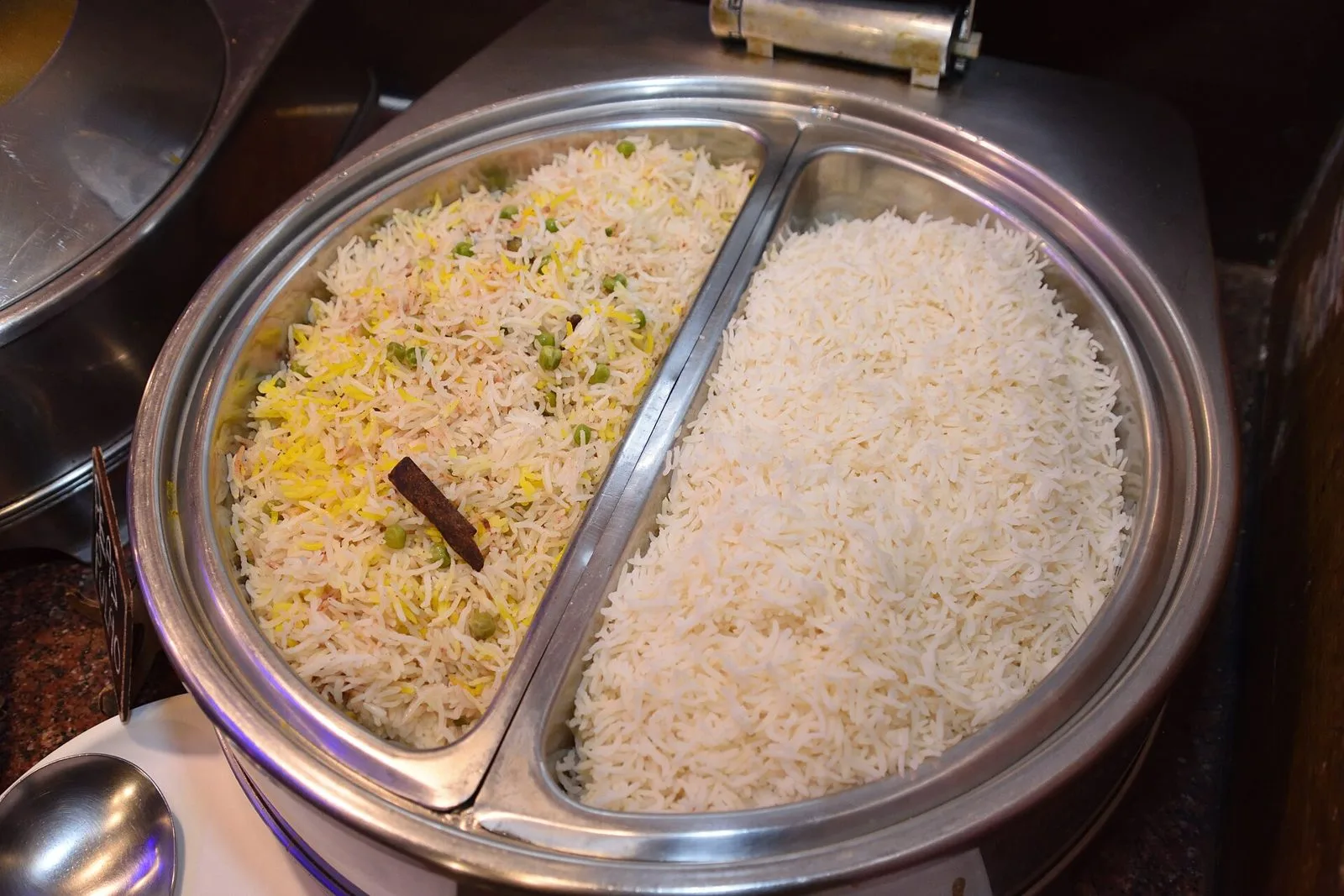
Photo: Biswarup Ganguly / CC BY 4.0
Why Is My Rice Sticky or Gluey? Fixes for Plain Rice
You wanted loose, separate grains and you got a lump. The rice clings to the spoon, the bottom is a paste, and the plate looks like glue. The good news is that sticky rice has a short list of causes, and every one of them is in your control.
What makes rice stick
Rice grains carry starch on the outside. When they hit hot water the starch dissolves, thickens the liquid and glues grains together. Three things drive that: starch you did not wash off, too much water, and agitation while cooking. Add overcooking, and the grains burst and release even more.
That is also why the type of rice matters. Aged basmati, which our Matar Pulao tips recommend for "longer, non-sticky grains", holds its shape better than a short-grain or new-crop rice.
Fix one: wash and soak
Wash the rice in cold water, swirling and draining, until the water runs mostly clear. Our biryani recipes say to do this in several changes of water. It takes about 3 to 5 rinses for 400 g (2 cups) of basmati.
Then soak. The Matar Pulao recipe soaks for 20 minutes, the Chicken Biryani recipe for 30. Soaked grains cook more evenly, and they are less likely to break at the ends. Drain well in a sieve for 5 minutes before the rice meets the pot, because standing water on the grains changes your water ratio.
Two methods that give separate grains
You have two reliable routes. Pick based on how much attention you can give.
The boil-and-drain method
This is the method the Daal recipe uses: boil rice in plenty of salted water for about 12 minutes until just tender, then drain and keep it covered. Use roughly 6 to 8 cups (1.5 to 2 litres) of water for 300 g (1.5 cups) of rice. Because the extra water carries the starch away, this method is very forgiving. The drawback is that you lose a little flavour into the drain water.
Start testing at 10 minutes. Press a grain between thumb and finger. It should be soft with no hard white dot, and it should not fall apart.
The absorption method
Pulao uses this one. The Matar Pulao recipe takes 400 g (2 cups) of soaked, drained rice with water at about 1.5 times the rice volume, brings it to a boil, then covers tightly and steams on low for about 20 minutes. Chicken Pulao works the same way and says to measure the liquid left after the chicken and top it up to about 1.5 times the rice volume.
Details that decide whether it sticks:
- Measure the water. 2 cups of rice means about 3 cups (720 ml) of water, because the rice is already damp from soaking.
- Do not stir once it boils. Stirring breaks grains and releases starch.
- Keep the lid tight. A lid that leaks steam leaves the top dry and the bottom wet.
- Keep the heat low. Barely simmering is enough.
- Rest it, covered, for 5 to 10 minutes off the heat. Both pulao recipes include this step and it matters, since the grains settle and firm up.
- Fluff with a fork from the edge, not a spoon through the middle.
A table for what you see in the pot
| What you see | What happened | What to do |
|---|---|---|
| Whole lump with a wet bottom | Too much water, no rest | Spread on a tray to dry, 5 minutes |
| Broken, short grains and paste | Over-stirred or overcooked | Next time less stirring and a shorter cook |
| Dry top, wet bottom | Lid leaked, heat too high | Rest it, then fluff |
| Gummy all over | Unwashed starch, new rice | Rinse until clear next time |
Rescuing a sticky batch tonight
Do not keep cooking it. Heat is not going to help.
- Spread the rice in a thin layer on a large plate or tray and let steam escape for 5 to 10 minutes. Loose surface moisture evaporates, and the grains firm.
- Break clumps gently with a fork.
- If the rice is wet but not mushy, return it to a pan on the lowest heat with a clean dish towel under the lid for 5 minutes. The towel catches the steam.
- If it is truly gluey, change the plan. Fry it. Cooked, cooled rice is the best base for fried rice, because sticky grains separate when they hit hot oil. Our Egg Fried Rice recipe is a good place to send it. You can also turn it into khichdi or pulao, as in our guide to leftover rice ideas.
If you cook rice ahead, cool it within about 1 hour, keep it in the fridge for no more than 1 day, and reheat it until steaming hot all the way through. Our page on cooling and reheating rice safely lays out the steps.
Rice cooker note
Rice cookers follow the same rules. Wash the rice, use the ratio in the cooker's manual, and let it rest with the lid shut for 10 minutes when it clicks off. Our guide to desi meals in a rice cooker covers more.
Mistakes to cross off
- Not washing the rice.
- Skipping the soak.
- Guessing the water.
- Lifting the lid to look.
- Stirring after the boil.
- Serving straight from the pot with no rest.
If you track pantry staples in Degchi, add a bag of aged basmati to your list, since the rice you buy sets the ceiling for everything above. You can try the planner from the home page.
Related recipes
Related posts
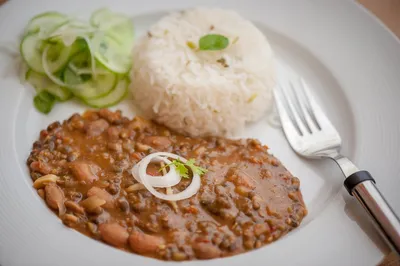
Dinner for Someone Who Gets Home Late: Plate and Reheat
The plate in the fridge at 10 p.m. should still taste like dinner. Which dishes hold, which collapse, and the safe-time rules for a plate that waits.

Sahlab at Home: Thick, Smooth and Lump-Free
Sahlab should coat a spoon and slide off slowly, closer to a drinkable pudding than a hot milk. The usual failure is lumps or a skin, and both are avoidable.
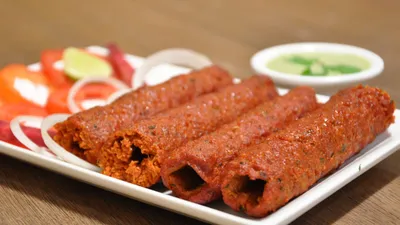
Oven, Pan or Grill: Which Method for Which Kabab
Three kababs, three right ways to cook them. Seekh grills in 10 to 12 minutes, chapli fries 4 to 5 minutes a side, shami shallow-fries 3 to 4. Here is the method map, with oven fixes.
Two Cook Sessions, Seven Dinners: A Menu for Two
Most recipes serve four, and a couple eats half. Instead of fighting that, cook four dishes in two sessions and let each one cover two nights.