 Degchi
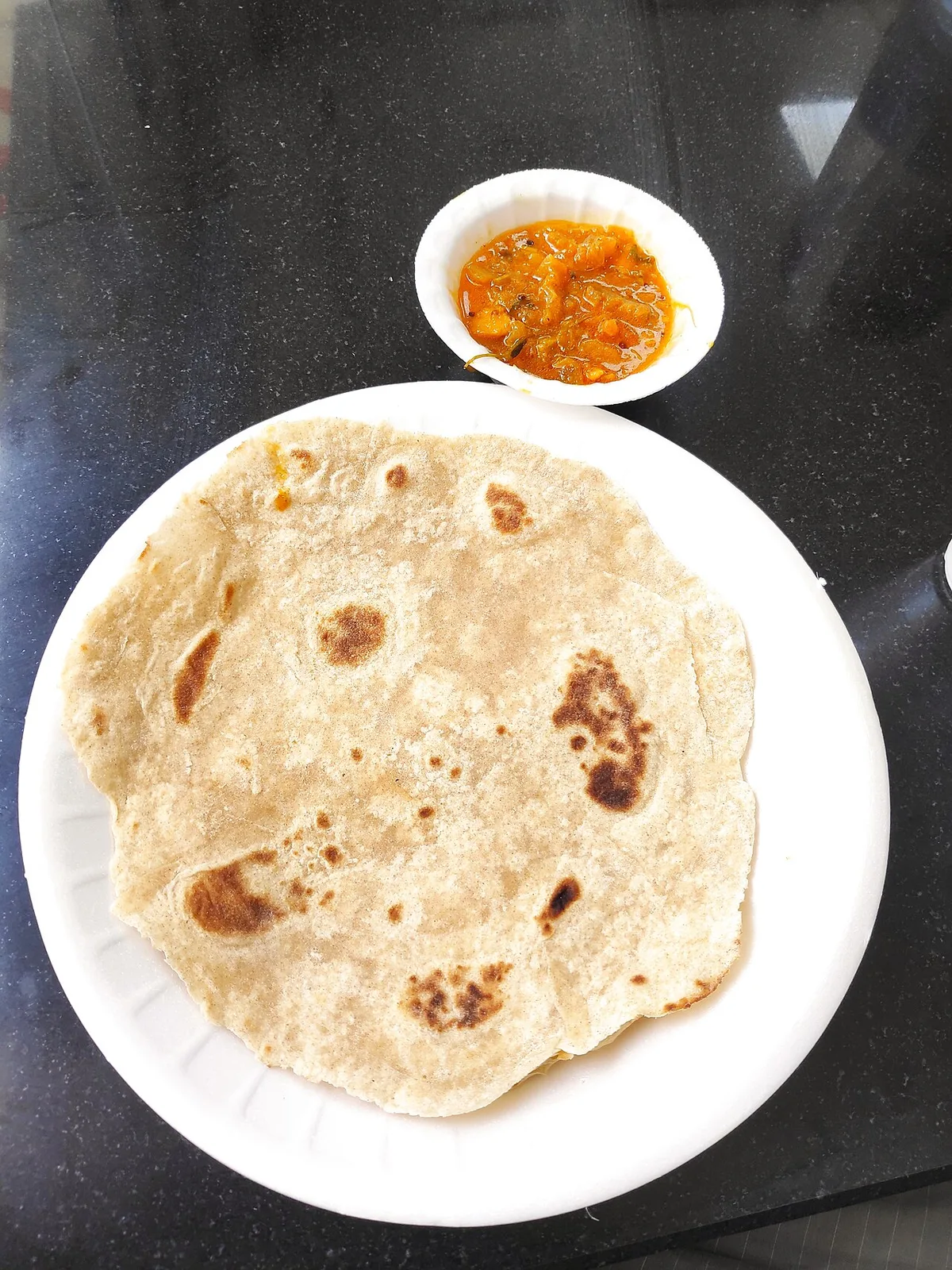
Chakla and Belan: Which Roti Rolling Tools to Buy
Your roti keeps coming out oval, thick in the middle and thin at the edges. Nine times out of ten the dough is fine and the tool is fighting you. A tapered rolling pin and a flat board behave very differently from a heavy western pin on a countertop, and it is worth knowing which one you actually own.
This guide compares the common roti rolling tools by what they do to the dough, not by brand. If you are building a first kitchen, start with one chakla and one belan and add the rest only if you miss them.
The chakla and belan pair
The chakla is the small round board, usually 22 to 25 cm (about 9 to 10 in) across, made of wood, stone or marble. The belan is the slim pin, often tapered or with a slightly thicker middle. Together they are the standard North Indian and Pakistani setup, and they suit one job above all: turning a golf-ball-sized dough ball into a round disc about 15 to 18 cm (6 to 7 in) wide with a few quick strokes.
The thin pin matters because you control pressure with your fingertips. Roll forward from the centre, give the dough a quarter turn, roll again. Four or five turns and the disc is round. A wooden chakla also holds a little dry flour, so the dough grips just enough to stretch rather than slide.
What goes wrong: too much dusting flour. It burns on the tawa and tastes bitter. Dip the dough ball once in dry atta, shake it, and add a pinch only if it sticks. Our chapati phulka page gives dough hydration and rest time; the rolling tool cannot rescue a stiff dough.
The straight western rolling pin
A long straight pin, wood or silicone, is what most US and UK kitchens already have. It works, with two adjustments. First, roll on a clean, lightly floured counter rather than a small board, because the pin is wider than the dough and will catch the edges of a chakla. Second, use a shorter, lighter touch: a heavy pin flattens the dough unevenly and squeezes out the air pockets that help it puff.
It is actually the better choice for paratha and puri laminated layers. When you fold, oil and roll again for lacha paratha, a longer pin gives you an even rectangle. For aloo paratha, where a filled dough ball has to be flattened without splitting, many people prefer the weight of a straight pin because it spreads the stuffing evenly. Keep the pressure gentle at the rim.
Tortilla press and roti maker
A tortilla press flattens a ball in one squeeze. It is fast and consistent, and a good option for people with sore wrists or for kids who want to help. The disc comes out thicker and slightly uneven at the very edge, so finish with two strokes of a pin if you want a thin roti. Line both plates with a cut-open zip bag or parchment so the dough does not stick.
An electric roti maker presses and cooks in one step. It saves effort, but a few cautions apply. The roti is closer to a flatbread than a puffed phulka, the plates need to be wiped clean while still warm, and the machine takes counter space. Treat it as a convenience tool for large batches, not a substitute for learning the pin.
Size and weight cheat sheet
| Tool | Best for | Watch out for |
|---|---|---|
| Chakla + tapered belan | Daily roti, phulka, puri | Needs a few days of practice |
| Straight pin, 40 cm (16 in) | Paratha, naan, pastry | Heavy hand flattens air pockets |
| Tortilla press | Batch roti, kids' help | Thick edges, needs liners |
| Electric roti maker | 20+ rotis for a gathering | Counter space, cleaning |
Material notes
Wood is forgiving and light, but needs hand washing and drying. Marble is cool, so dough stays firm in summer, but it is heavy and a dropped belan will chip it. Stainless steel boards are easy to clean and a little slippery. Silicone mats under a pin stop the counter from sliding. Whatever you buy, avoid heavily varnished boards: flour sticks to varnish and the first few uses leave a tacky film.
If you have only a small apartment counter, a 25 cm (10 in) board that slides into a drawer beats a 45 cm (18 in) slab you have to store upright.
A one-week learning plan
Day 1 to 2: roll plain rotis only, aiming for round, not thin. Day 3 to 4: concentrate on even thickness; if one side puffs and the other does not, you are pressing harder on one side. Day 5: try tandoori roti style rounds on the tawa for a slightly thicker bite. Day 6: puri, which needs a small, even circle about 10 cm (4 in) wide so it balloons in hot oil; see puri. Day 7: a paratha with one fold.
Rotis that tear are usually a sign the dough rested too briefly. Hard rotis after cooling are a different problem, covered in why do my rotis turn hard and chewy.
What to buy first
If you can only buy one thing, buy a 25 cm chakla and a belan about 30 to 35 cm (12 to 14 in) long. Spend the saved money on a decent tawa; the tawa types guide explains which one holds heat for phulka. Add a straight pin later if you start making laminated parathas or pastry, and a tortilla press only if your hands or your schedule demand it.
If you plan a week of dinners around roti, you can set the dishes in the Degchi pantry planner at degchi.matrixinn.net/#try and see which meals use atta so you never run out mid-week. Otherwise, practise with two rotis a day and add one tool at a time. Your hands learn faster than your shopping cart does.
Related recipes

Related posts

A Shared Grocery List for the Whole Family: How to Make It Stick
A shared grocery list only works if people actually use it. These small habits turn it from a nice idea into a routine.
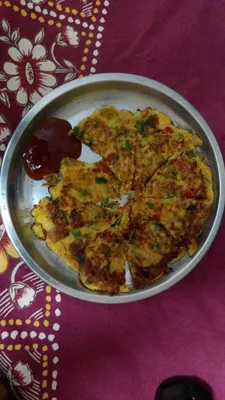
A Night-Before Routine for Easy Suhoor in Ramadan
Instead of a list of dishes, this is a routine. Ten minutes after iftar clean-up sets up a calmer pre-dawn kitchen for the whole Ramadan month.
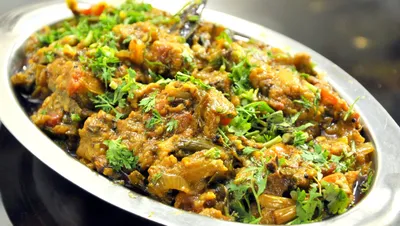
Baingan Bharta vs Begun Bhorta vs Mutabbal
One method, three results. Baingan bharta is cooked, begun bhorta is raw and sharp, mutabbal is creamy. Here is what changes and what stays the same.
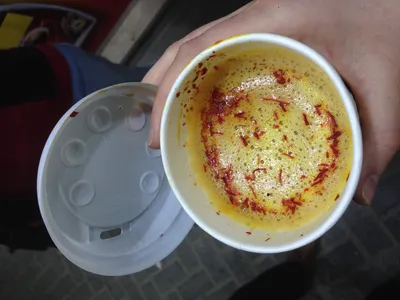
Why Is My Chai Bitter or Watery? Fixes That Work
Bitter, watery, pale or grassy: every bad cup of chai has a cause you can name. Here is how to read the cup and fix the next one.