 Degchi
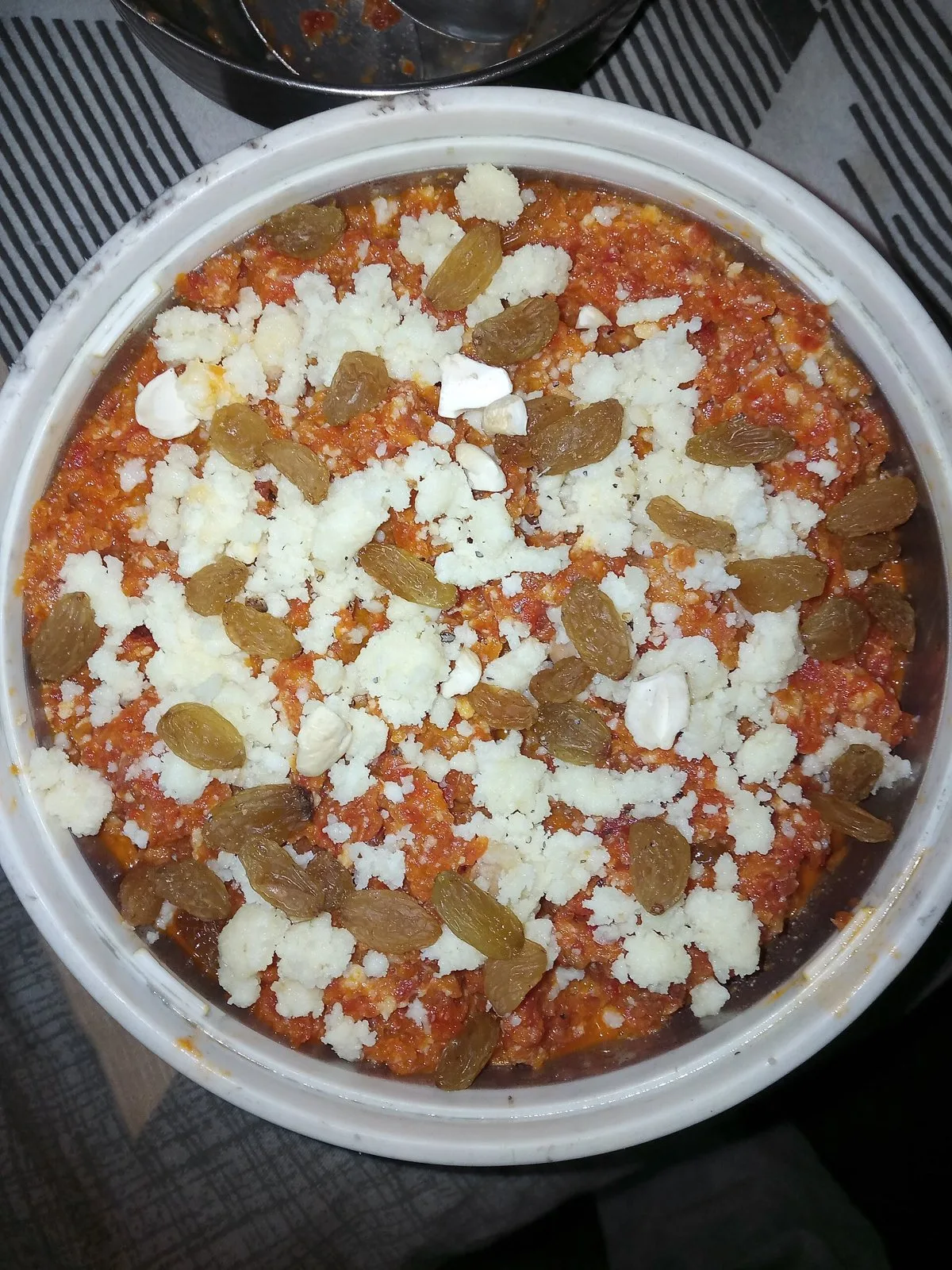
Gur, Jaggery, Shakkar, Khandsari: Desi Sugar Names Decoded
The packet says "shakkar" and your recipe says "gur"
A Pakistani recipe tells you to add shakkar. An Indian one says gud. A Bengali one says gur, or sometimes khejur gur. The grocer says "jaggery". All of them are sweeteners, none of them is exactly white sugar, and the words do not map cleanly onto each other.
This is a plain guide to the sugars in a desi kitchen: what each name usually means, how they taste, and what to put in if the shop is out.
Gur, gud, jaggery: the block
Jaggery is the English word. Gur (Urdu, Punjabi, Bengali) and gud (Hindi) are the originals. All describe unrefined sugar made by boiling down sugarcane juice (or sometimes palm sap) and setting it in blocks, lumps or soft cakes. It is golden to dark brown and tastes of caramel, with a faint mineral or molasses edge.
Variants you may see:
- Cane jaggery: the most common; golden to brown.
- Date palm jaggery (khejur gur, nolen gur in Bengal): made from date palm sap, seasonal in winter, with a distinctive smoky caramel flavour. Bengali sweets such as payesh are often made with it in season, though sugar is also common.
- Palm jaggery: from other palms, common in southern India and Sri Lanka.
- Powdered or granulated jaggery: easier to measure, slightly more processed.
Jaggery is used in Maharashtrian puran poli, the sweet filling of modak, Gujarati dishes, and for balancing the sourness of tamarind chutney and some daals.
Shakkar: the confusing one
Shakkar (also shakar) depends on who is talking.
- In Urdu and much of Pakistan, shakkar often means unrefined or brown sugar: coarse, crumbly, golden brown, sometimes sold in loose granules.
- In Hindi and parts of India, shakkar can mean plain white sugar crystals, or sometimes the unrefined kind.
There is no safe assumption. Look at the packet, or ask. If a recipe from a Pakistani source says shakkar, picture coarse brown sugar. If an Indian source, check the other ingredients: a dessert with white khoya probably wants white sugar, and a dish that is dark and rustic may want the brown.
Khandsari: the crystal that is half refined
Khandsari (also khand, khandsar) is unrefined crystalline cane sugar, produced by a simpler process than white sugar. The crystals are larger and creamy-white to pale gold, with a gentle flavour that is milder than jaggery. It is used in traditional sweets and chai for a rounder sweetness.
For a non-desi shop, raw cane sugar or turbinado in the US, and demerara in the UK, are close, easy-to-find substitutes for the look and flavour.
Mishri: rock sugar
Mishri (also misri, mishri) is sugar in large crystals or lumps, like clear or white rock candy. It dissolves slowly and tastes clean and mild. It sweetens milk, is a classic offering at temples and is chewed after meals, and some people use it in kheer and sherbets. You can also use it for Chinese-style tea, where it is sold as rock sugar in East Asian shops.
If you cannot find it, plain sugar works in a drink or dessert. Crush it first if the recipe expects small pieces.
Chini and sugar: the baseline
Chini is Urdu and Hindi for ordinary white sugar. It is what most Pakistani desserts such as gajar halwa, zarda, kheer and sheer khurma call for, unless a recipe states otherwise. If our recipe page lists plain sugar, use plain sugar, and do not swap it for jaggery without testing in a small batch: jaggery adds colour and flavour that changes the dish.
Swaps that work
| If the recipe wants | And you have | Notes |
|---|---|---|
| Jaggery (gur / gud) | Dark brown sugar or muscovado | Close in flavour; usually used by weight at about the same amount, then adjust to taste |
| Jaggery | Maple syrup | Different flavour; use less and expect a thinner result |
| Shakkar (brown) | Light brown or raw cane sugar | Good match |
| Khandsari | Turbinado or demerara | Good match |
| Mishri | Plain granulated sugar | Fine for drinks and sweets |
Weigh when you can. A cup of jaggery varies a lot depending on whether it is grated, chopped or packed, so grams are more reliable. If a recipe is in cups, grate or chop the jaggery finely and pack it lightly, then taste.
Working with a jaggery block
- Chop or grate it. A solid block takes a long time to melt. Shave it with a sharp knife or a grater.
- Dissolve it in warm water first when it goes into something that can curdle, such as milk. Strain out grit, because block jaggery sometimes has tiny bits of cane in it.
- Add it late to milk. Hot milk and jaggery can split together; add the jaggery after the milk has cooled slightly, or stir it in at the end. This is a known risk for milk puddings; our kheer curdling guide covers the milk side.
- Store it airtight. Jaggery draws water from the air and goes sticky or grows hard. A sealed tin in a cool cupboard keeps it for months.
A note on health claims
You will read online that jaggery is "healthy" or "better than sugar". We make no such claim. It is a sugar: it adds sweetness and calories, and it has a different flavour. Pick it for taste and tradition, not as a health food.
What to buy first
For a small desi pantry abroad, a packet of white sugar, a smaller bag of brown sugar, and one block of jaggery covers almost every recipe on this site. Add mishri only if you make drinks or specific sweets that need it. Our pantry starter list shows how to stage the rest.
If you track your sugars as Have, Low or Out in Degchi, the shopping list builds itself from what is running low; you can try it from the home page.
Related recipes
Related posts
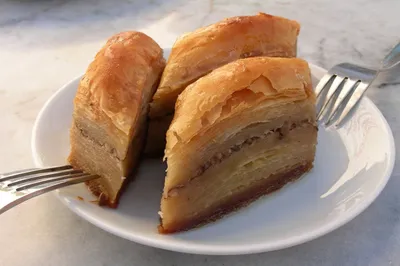
Baklava at Home: Why It Goes Soggy or Tough
Baklava is 300 g of pastry, 150 g of butter and a lot of patience. Here is where the layers go wrong and how to keep the crackle.
Five-Ingredient Dinners From the Pantry (Salt and Oil Don't Count)
Short ingredient lists make weeknights easier, but only if you agree on what counts. Here are the rules we use, and dinners that hold up under them.
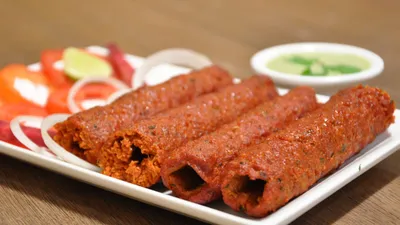
"Kebab Rolls at Home: Paratha Wraps That Don't Go Soggy"
"A kebab roll falls apart for three reasons: wet filling, thin bread, and no wrap. Fix all three and a Tuesday leftover becomes street food."
Desi Recipe Conversions: Cups, Spoons, Grams and Ounces Explained
Family recipes use katori, chamach and "andaaza". Here is how to turn them into cups, spoons and grams without ruining the dish.