 Degchi
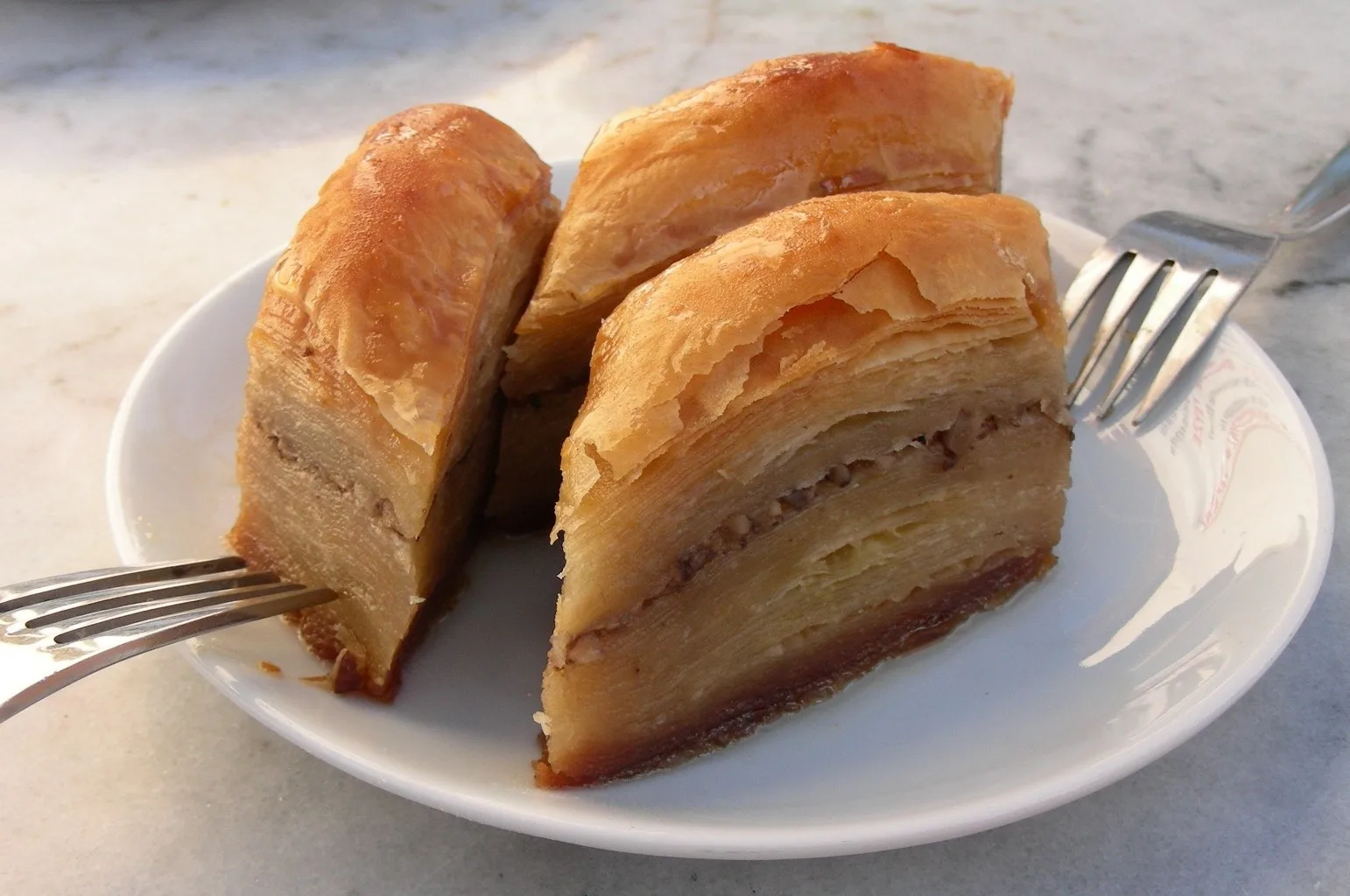
Baklava at Home: Why It Goes Soggy or Tough
The tray you cut and the top shattered
Baklava has two ways to fail in front of guests. Either the layers steam into a damp, chewy slab, or the top cracks into shards when you cut it and the nuts scatter. Both are fixable, and neither needs special equipment.
Our baklava recipe is the Gulf-style festival version: 300 g (10.5 oz) of phyllo sheets, 150 g (10 tbsp) of melted butter, 200 g (1.5 cups) of crushed pistachios or walnuts, 200 g (1 cup) of sugar and 1 tsp of rose water. It is marked Hard in our library, with 40 minutes of prep and 40 of baking, and it makes enough for 4 as written, though a tray cut into diamonds goes further at an Eid table.
Butter between every sheet, not just the top
The recipe says to brush the tray and layer half the sheets in, brushing butter between every sheet. This is the whole structure of baklava. Each sheet fries slightly in its butter while the oven dries it out, and that is what makes thin, separate crisp layers instead of one bread-like block.
Skip the butter between a few sheets and those sheets fuse and go leathery. Use a soft brush and a light hand: you want a thin film, not a pool. If butter pools at the bottom of the tray, the base layer fries and turns greasy rather than crisp.
Keep the phyllo you are not using under a barely damp kitchen towel. The sheets dry and crack in the open air within a few minutes, and cracked sheets are what lead to those shattering tops.
Nuts: the middle layer and how thick
Scatter the crushed nuts evenly over the base layer, then add the remaining sheets on top. Crush the nuts coarse, closer to rough crumbs than flour. Powdery nuts absorb syrup like a sponge and turn pasty; coarse ones keep some crunch.
Spread them to the edges. A thin edge with no nuts bakes dry and tough, while the middle stays dense.
Cut before it goes in the oven
The recipe has you cut into diamond shapes with a sharp knife before baking. This is the step that saves the top. Cut after baking and a crisp top just breaks along random lines. Cut before and the butter runs into the cuts, so the pieces separate cleanly and the syrup reaches the middle later.
Use a sharp, thin knife and a gentle sawing motion rather than pressing straight down. Cut all the way to the bottom.
Baking: golden, not pale
Bake in a preheated oven at 170 degrees C (about 340 F) until golden on top. Our recipe timer is 35 minutes. Ovens vary, so go by colour: deep golden, not pale blond. Pale baklava has not dried enough, and it turns soggy once the syrup is on.
<!-- VERIFY: the 340 F figure is the usual conversion of 170 C; the 35 minute timer is the recipe's, but real ovens vary. -->
The syrup: light, hot over warm
Meanwhile, boil the sugar and water together for a few minutes, about 5 minutes in our recipe, until you have a light syrup, then stir in the rose water. Then pour the hot syrup evenly over the warm baklava and let it soak in before serving.
A common rule for baklava is to keep the temperatures different, so that either hot syrup goes on cool pastry or cool syrup goes on hot pastry. Our recipe has you use hot syrup on warm pastry, which works if the baklava has had a few minutes out of the oven. If the tray is straight from the oven and the syrup is boiling, steam can make the top soft.
<!-- VERIFY: the opposite-temperature rule is a common baker's guideline for baklava, not from our recipe data; the recipe itself says hot syrup on warm baklava. -->
Keep the syrup light. It is 200 g sugar, and many home cooks find that syrup much thicker than this overwhelms the nuts. If your baklava is cloying, make the syrup thinner next time or pour less.
Troubleshooting sheet
| What you see | Most likely reason | Next time |
|---|---|---|
| Soggy top | Pale bake, or syrup too hot on hot pastry | Bake to deep golden, let it cool 5 minutes |
| Tough, chewy layers | Skipped butter between sheets | Brush every sheet |
| Top shatters when cut | Cut after baking | Cut before baking, all the way through |
| Nuts like paste | Ground too fine | Crush coarse |
| Dry, hard edges | Nuts missing at the edge | Spread to the edges |
Storage and serving
Cover loosely and keep at room temperature. Because it is soaked in syrup, it holds for a few days, but a fully airtight lid traps moisture and softens the top. Our mithai storage guide covers how long festive sweets keep and what to do about them in humid kitchens.
<!-- VERIFY: "holds for a few days" is a general rule of thumb for syrup-soaked pastries. -->
Baklava is rich. Cut small pieces, and put something plain beside it: tea, black coffee or karak chai. It sits well on a table with gulab jamun and kheer, and our Eid sweet table post shows how to plan a few desserts without making everything on the same morning.
A timing sheet for a Friday bake
- 10:00 melt the butter, crush the nuts, lay out the phyllo under a damp towel.
- 10:30 layer, scatter, cut.
- 11:00 oven in; syrup on the stove 10 minutes before the timer.
- 11:35 out; wait about 5 minutes, pour the syrup.
- Afternoon: leave uncovered to soak, then serve.
If you are juggling several festival dishes, Degchi can keep the pantry list and timers together: try the pantry check at degchi.matrixinn.net/#try.
Related recipes
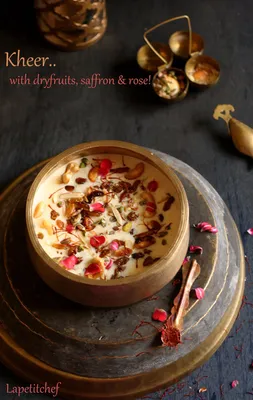
Related posts
Make-Ahead Eid Desserts: A Three-Day Timeline
Five desserts, three days, one oven. Which sweets get better overnight, which must be made fresh, and a simple schedule so Eid morning is not a sprint.
An Eid Sweet Table You Can Make at Home
Eid guests expect something sweet. This is a manageable dessert table with South Asian and Gulf favourites, what can be made two days ahead, and how to avoid cooking all night.