 Degchi
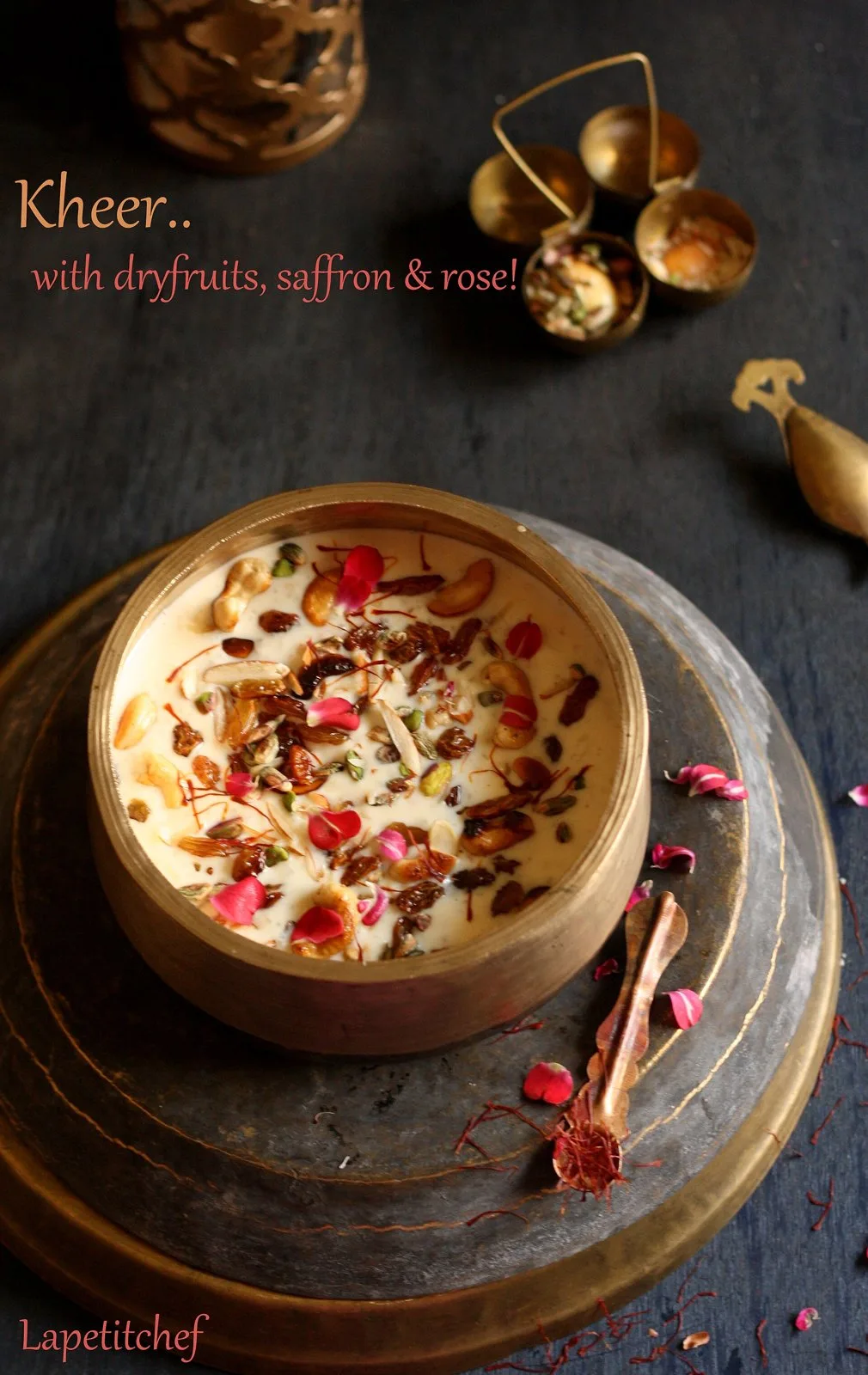
Photo: Swayampurna / CC BY-SA 4.0
Why Did My Kheer Curdle? Milk, Heat and Jaggery
You stood over the pot for an hour, stirring, and just as the kheer started to look creamy, tiny white flecks appeared and the milk separated into grains and watery liquid. It is a deflating moment, and it is fixable in some cases and avoidable in nearly all.
Milk curdles when its proteins clump. The triggers are acid, a lot of heat, old milk, or a sudden change in what is dissolved in it. Kheer has plenty of chances to hit each of these, because it cooks for a long time, and you add sugar and sometimes fruit or jaggery.
Diagnose it by when it happened
The moment the curdling appeared tells you the cause.
| When it split | Likely cause |
|---|---|
| Early, as the milk first heated | Milk was already turning sour |
| After adding jaggery or fruit | Acid or minerals in the sweetener |
| After sugar, at a hard boil | Heat too high, no stirring |
| Next day, after chilling | Rewarmed too fast |
| Only on the sides and bottom | Scorching, a different problem |
Taste a spoon of the milk before you cook. A faint sour edge before heating means the carton or jug is not safe to use. If the milk is past its date or smells off, throw it out. This is a safety point, not a cooking one.
Stop the problem at the start
The Kheer recipe in our library is a simple one. It uses 1.5 litres (6 cups) of milk and 80 g (about 2/5 cup) of rice, with 150 g (3/4 cup) of sugar and four cardamom pods. Its method shows several habits that protect against curdling:
- Soak the rice for 15 minutes, then drain. This shortens cooking time, so the milk spends less time on the heat.
- Bring the milk to a boil in a heavy-bottomed pot, stirring to stop it catching at the base. A thin pot creates hot spots.
- Add the rice and simmer on low, stirring often.
- Only add the sugar once the rice has broken down and the milk has thickened. The recipe adds it near the end and cooks for a few more minutes.
The Payesh recipe makes the same point about order: the rice should be completely soft and almost melting before sugar goes in, because rice stays firm once sugar is added.
Use full-fat milk. Lower-fat milk has less protection and splits more easily. If you use long-life or boxed milk, check that it is plain milk and not flavoured.
The jaggery warning
Bengali payesh with nolen gur (date-palm jaggery) is a famous curdling risk, because jaggery is slightly acidic and often carries minerals. Our payesh tips say to turn off the heat, let the milk cool until just warm, and stir the jaggery in gently using whole milk.
So the rule for any jaggery pudding is: heat off, wait, add the jaggery in a small amount of warm milk or water first, then stir it in slowly. Do not boil it after it goes in.
Fruit, lemon and other acid
Stir-ins like mango, apple or citrus bring acid. Add fruit at serving time to a cooled pudding, not to the pot. If you want a fruit kheer, puree the fruit and stir it into the chilled portion in the bowl.
Heat and stirring
Long, gentle cooking is the point of kheer. A flame that is too high does two things: it scorches the bottom and it pushes the milk past its stable temperature. Keep the flame at medium-low after the first boil. Scrape the bottom with a flat-edged spatula every minute or two. Our kheer tips say it scorches easily once it thickens.
Rescuing a curdled pot
How you rescue it depends on how bad it is.
For light graininess:
- Take the pot off the heat immediately and let it cool for 5 minutes.
- Use a stick blender in short bursts, 10 to 15 seconds each, until smooth. Stir in a splash (60 ml, 1/4 cup) of warm whole milk.
- Rewarm gently on low without boiling.
For a clearly split pot with watery liquid:
- Strain the curds and whey. Keep the curds.
- Cook them down with a little sugar and cardamom into a dessert similar to a paneer sweet. It will not be kheer, but it is edible and tasty, as long as the milk was fresh at the start.
- Do not eat dairy that was sour before cooking.
For a pot that curdled because you added acid at the end, blending is your best option, but it may keep a slightly grainy feel.
What about firni?
Firni uses ground rice rather than whole grains, and the recipe adds the ground rice slowly while stirring constantly to prevent lumps. Lumps are not curdling, but they look similar, and constant stirring solves both. The recipe also suggests stirring as it cools to stop a skin forming.
Storing and reheating
Cool the pudding before it goes in the fridge, keep it covered, and eat it within a day or so. Rewarm single portions slowly over low heat with a splash of milk, or enjoy it cold. A hard reboil is the usual reason a good pudding splits the second day. For dairy-based dishes in general, leftovers should be reheated until steaming hot, but for a pudding, stir over low heat and stop when it is hot throughout without a rolling boil.
If your yogurt gravies curdle too, the same logic applies. See why yogurt curdles in qorma, and our kheer guide for the full recipe walk-through.
Pre-boil checklist
- Milk smells and tastes fresh.
- Heavy pot, medium-low flame.
- Rice soaked, simmered until almost melting.
- Sugar added late.
- Jaggery added off the heat.
- Fruit added to the bowl, not the pot.
Degchi keeps recipe amounts in metric and US cups, which helps when a recipe like this one needs 1.5 litres of milk. The planner is on the home page.
Related recipes
Related posts
Payesh vs Kheer: Bengali Rice Pudding Explained
Both are rice cooked in milk, yet payesh is a different pudding. The rice, the bay leaf, the order of sugar and the jaggery rule that stops curdling.
Kheer Recipe: Pakistani-Style Rice Pudding, Step by Step
Kheer is mostly milk, patience and a heavy pot. Amounts, timings and the stirring rhythm from our recipe, plus how it differs from firni.