 Degchi
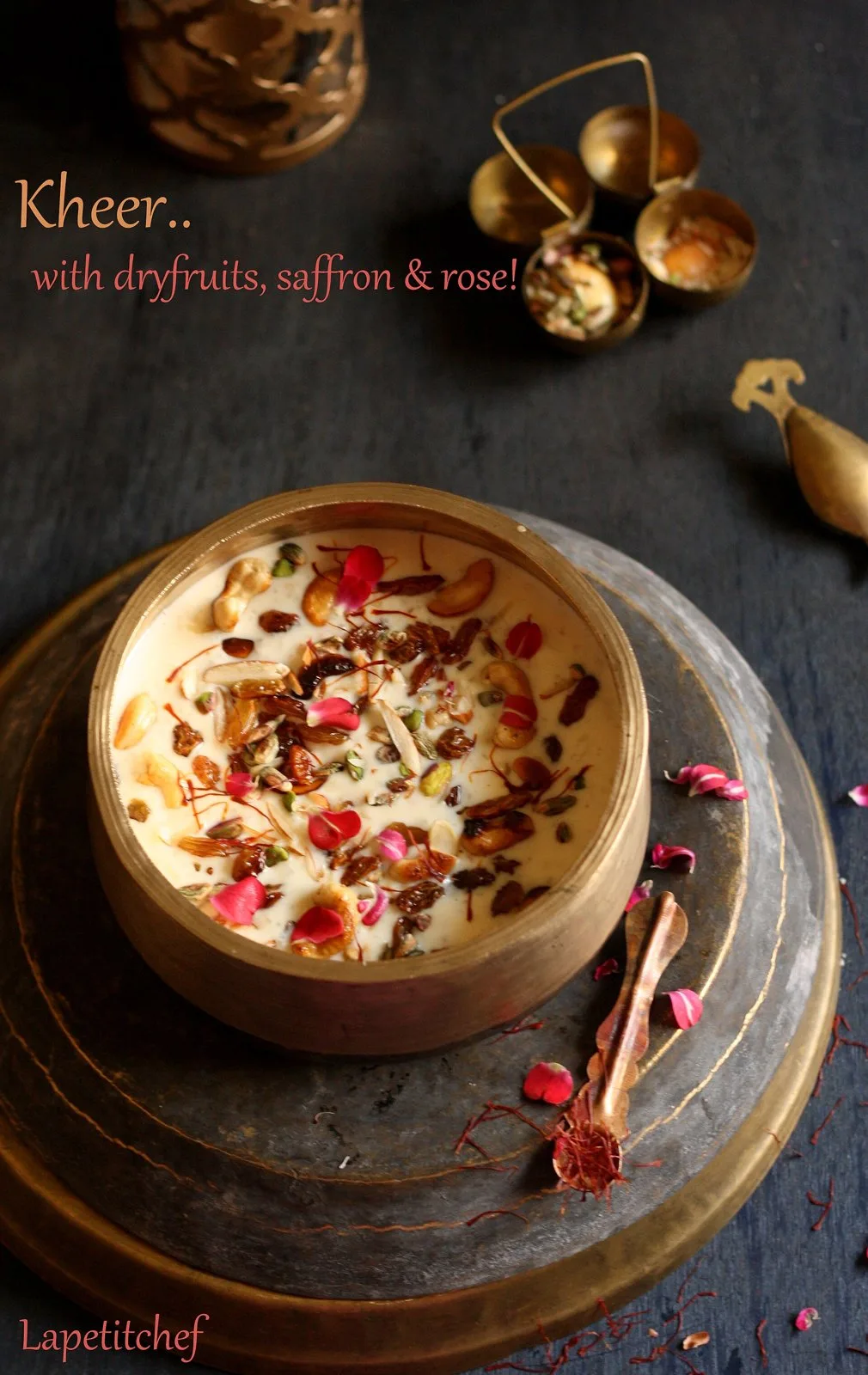
Photo: Swayampurna / CC BY-SA 4.0
Payesh vs Kheer: Bengali Rice Pudding Explained
You stirred a pot of milk and rice for an hour, and the grains are still firm. Or the pudding was perfect, then went solid in the fridge. Both are classic payesh problems, and both come down to a few rules that differ slightly from kheer. If you want a clear answer to "payesh vs kheer", here it is: same family, different habits.
What payesh and kheer share
Rice, milk, sugar, cardamom, nuts. That is the whole family tree, and it runs from Lahore to Kolkata. If you want the Pakistani version in detail, the kheer post covers it, and this comparison of milk desserts places kheer next to firni and sheer khurma.
Payesh sits in the same group but is cooked with its own logic. In Bengali homes it appears on birthdays and at a child's first rice ceremony, so it is made often and by feel. Our recipe library uses a ratio you can scale: 100 g (about 1/2 cup) short-grain rice to 1.5 litres (6 1/3 cups) of milk and 150 g (3/4 cup) sugar, for six servings.
Where the two puddings split
| Payesh | Kheer (typical) | |
|---|---|---|
| Rice | Whole short-grain, washed, often gobindobhog | Often broken or soaked basmati |
| Spice | Bay leaf and crushed cardamom | Cardamom, sometimes saffron |
| Sugar timing | After the rice is fully soft | Often added earlier |
| Finish | Raisins and cashews stirred in | Almonds, pistachios |
| Sweetener in winter | Nolen gur (date-palm jaggery) | White sugar |
The bay leaf surprises people. It goes into the milk at the start and gives a faint warm, almost tea-like background. Take it out before serving.
Why the rice must be soft before the sugar
This is the rule that explains most failed payesh. Once sugar is in the pot, rice stops softening. Grains that are still firm at that point stay firm, no matter how long you simmer afterwards.
So the order in our recipe is:
- Boil the milk with the bay leaf in a heavy-bottomed pot, about 5 minutes.
- Add the washed rice and simmer on low heat for roughly 25 minutes, stirring often, until the grains are almost melting.
- Add sugar and crushed cardamom and keep simmering about 20 minutes, until the milk has reduced and coats the spoon.
- Stir in raisins and cashews.
Total simmer is around 45 minutes, so budget an hour with prep. The test before adding sugar: press a grain between thumb and finger. It should squash with no chalky centre.
The pot, the heat and the scraping
Milk catches at the bottom long before it looks like it is. Use the heaviest pot you own, keep the heat low, and scrape the bottom, not just the surface, every minute or two. A brown film on the base is not harmless; it turns bitter and flavours the whole pudding. If the milk starts to catch, pour everything into a clean pot without scraping the stuck layer.
A skin on top is normal. Stir it back in or lift it off; both are fine.
Nolen gur: the jaggery rule
In winter, Bengali kitchens swap white sugar for nolen gur, the fresh date-palm jaggery of the cold months. It has a smoky, caramel taste that sugar cannot copy. It is also the cause of curdled payesh, because jaggery is slightly acidic and a hot pot of milk can split when it arrives.
The fix in our recipe notes is simple: turn off the heat, let the milk cool until it is just warm, then stir in the jaggery gently. Use whole milk, since low-fat milk splits more easily. Do not put the pot back on a hard boil after that.
If you cannot find nolen gur abroad, ordinary date-palm jaggery or a dark soft jaggery from a South Asian store works, though the flavour is flatter. <!-- VERIFY: nolen gur seasonality (roughly December to February) and the claim that jaggery acidity is what splits warm milk; widely repeated, no primary source opened. -->
Rice choices abroad
Gobindobhog is a small, aromatic, short-grain rice from West Bengal and is sold in many Bengali grocery stores. Outside those, the practical options are:
- Short-grain sushi-style rice, which goes soft and creamy, with less fragrance.
- Basmati, broken by hand or pulsed once or twice in a blender. Quicker, thinner texture.
- Arborio, which behaves like a risotto grain and gives a thick result; it is not traditional, but it works.
Wash whichever you choose until the water is mostly clear, then drain well.
Thick now, thicker later
Payesh keeps thickening as it cools. Take it off the heat while it is a little looser than you want it at the table. Served chilled, it can set almost like a soft custard, so loosen with a splash of warm milk if it gets stiff in the fridge.
Cooked milk puddings should go into the fridge within about an hour or two of cooking and be eaten within a day or two. <!-- VERIFY: fridge storage window for milk pudding; confirm against a food safety source before stating a number. -->
A quick way to decide which one to make
- You want something quick on a weeknight: kheer with broken rice.
- Birthday or a winter evening, and you have an hour: payesh.
- You have jaggery and whole milk: payesh with the cool-then-stir method.
- A guest does not eat dairy: neither; look at a coconut-based dessert instead.
The payesh recipe has the step timers, and the firni recipe is worth trying next if you like a set, ground-rice version. If you plan a Bengali spread, our mishti doi post covers the other milk dessert on that table. Degchi can hold the milk, rice and sugar on your pantry list, so you know before the shop closes whether you can make payesh tonight: try it at /#try.
Related recipes
Related posts
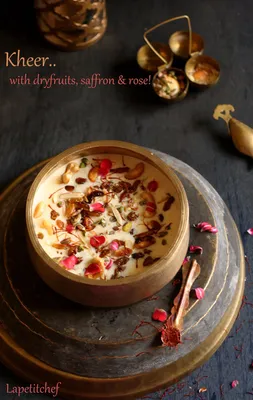
Kheer vs Sheer Khurma vs Seviyan vs Firni: Which Milk Dessert?
Rice, vermicelli, ground rice or dates and dried fruit. How four milk desserts differ in the pot, how long each needs, and which one suits your occasion.

Make-Ahead Eid Desserts: A Three-Day Timeline
Five desserts, three days, one oven. Which sweets get better overnight, which must be made fresh, and a simple schedule so Eid morning is not a sprint.

Eid Dawat Menu for 10 People: Quantities and a Cooking Plan
A realistic Eid dawat menu for 10 guests, with every quantity scaled from our recipe pages and a two-day timeline that keeps the host out of the kitchen when the doorbell rings.

An Eid Sweet Table You Can Make at Home
Eid guests expect something sweet. This is a manageable dessert table with South Asian and Gulf favourites, what can be made two days ahead, and how to avoid cooking all night.