 Degchi
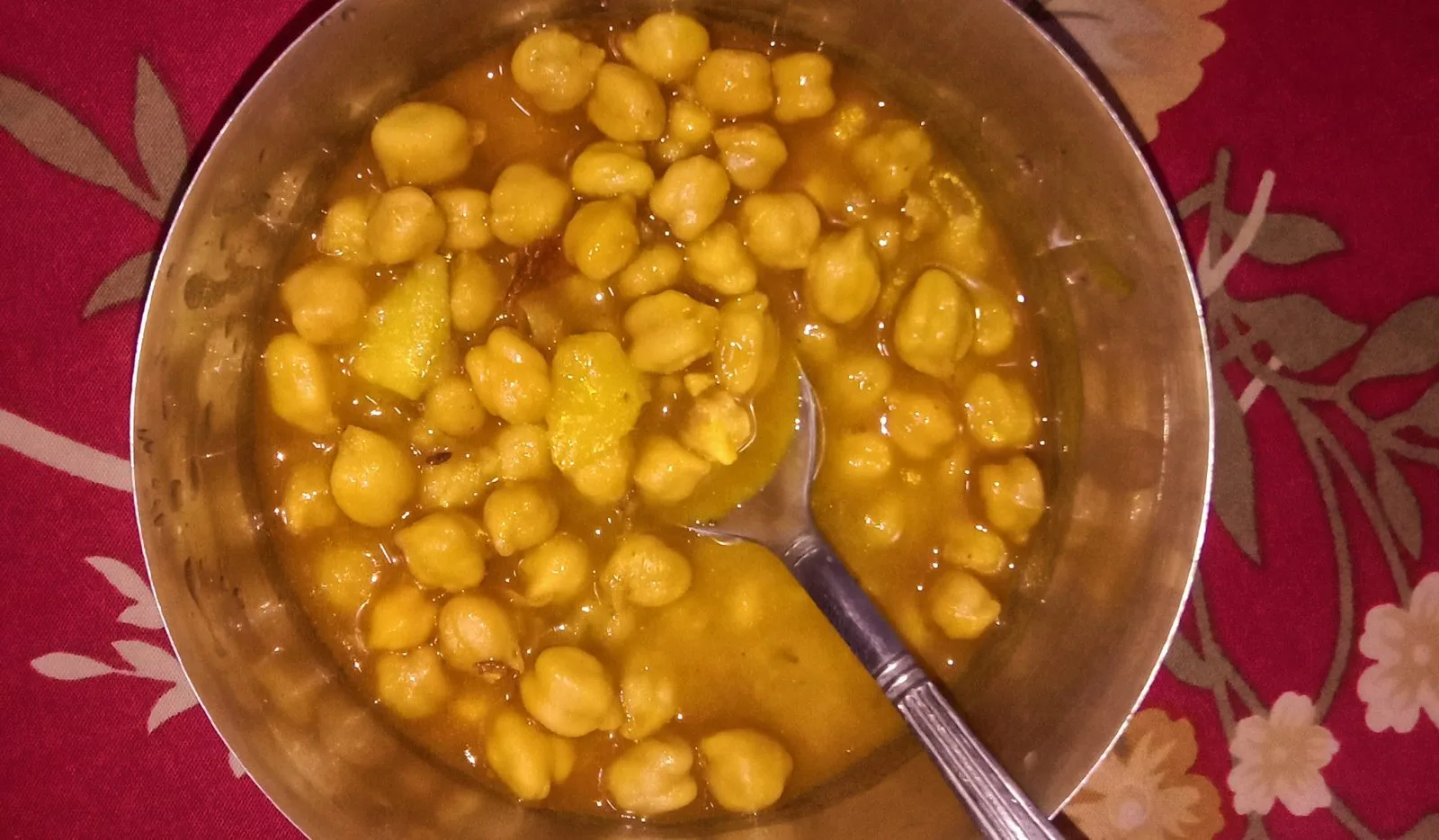
Photo: Billjones94 / CC BY-SA 4.0
Coriander, Dhania, Cilantro: Leaf, Seed, Powder
You ask for coriander in a US supermarket and get pointed at a bunch of green leaves labelled cilantro. You ask in a UK shop and the same bunch is called coriander. Then a recipe lists "1 tbsp coriander" and you have no idea whether it means leaves, seed or powder.
The answer matters, because they taste and behave like three different ingredients.
The same plant, three names and three forms
One plant gives you all of it.
- Leaf. Called coriander in the UK and much of the Commonwealth, cilantro in the US, and dhania (or hara dhania, "green dhania") in Urdu and Hindi. Sometimes "dhaniya" in Roman script.
- Whole seed. Round, pale brown, called coriander seeds in English and sabut dhania (whole dhania) in Hindi and Urdu.
- Ground seed. Called coriander powder, or dhania powder, and it is one of the base ground spices of most curries.
So "dhania" by itself is ambiguous. In a shop it can mean the fresh leaves. In a spice list it usually means seed or powder. When a recipe is unclear, the list position helps: next to onions and tomatoes it is probably the leaf, next to cumin and turmeric it is probably powder.
What the leaf does
Fresh leaf is a finishing herb. It goes in at the end, or as a garnish, because heat flattens its taste. Chopped stems are fine to cook early, since they carry plenty of flavour, and many cooks put the stems into the base and keep the leaves for the end.
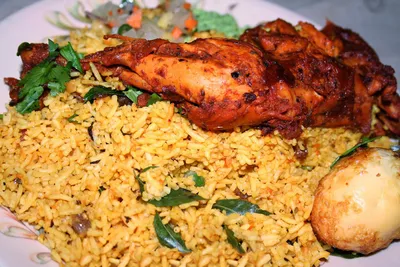
It shows up in chana masala and chicken biryani as a topping or layer, and in chutneys, raita and kebab mixes.
A bunch about the size of your fist, roughly 50 g (1.75 oz), chops to about 1 cup loosely packed. Use that as a rough guide when a recipe asks for a handful.
A note on taste: some people find cilantro soapy. This is widely reported and is thought to be partly genetic. If someone at your table does, leave it for garnish and let people add their own.
What the whole seed does
Whole seed has a warm, slightly citrus, nutty smell, and it is the quiet backbone of many spice blends. You will meet it two ways.
- Dry roasted and crushed. Toast a spoonful in a dry pan for under a minute, until it smells fragrant, then crush it. This gives a stronger, rounder taste than powder. Do not leave it, because it burns fast.
- Tempered whole. In some dishes it goes into the hot oil with cumin. For a refresher on that step, read what is tadka.
Whole seed keeps its flavour much longer than powder. If you have a masala box, it is a good one to buy whole. See masala dabba basics for how to arrange one.
What the powder does
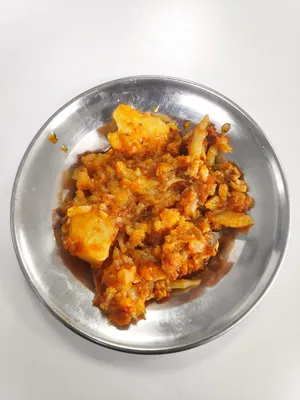
Ground coriander is the thickener of dry spice mixes. It is mild and a little sweet, so a lot goes in without making a dish hot. Many curry bases use it in a spoon or two alongside cumin, turmeric and chilli powder. You will see it in karahi and aloo gobi style dishes.
Powder fades faster than seed. If your jar has no smell when you open it, it will add very little. Use more, or replace it.
Can you swap one for another?
Sometimes, with care.
| You have | Recipe wants | What to do |
|---|---|---|
| Whole seed | Powder | Grind it fresh. 1 tsp seed is roughly 1 tsp powder, but taste before adding more |
| Powder | Whole seed | Use a bit less and add it with the other ground spices, not in hot oil |
| Leaf | Powder or seed | Not a swap. The taste is different (fresh, sharp, green) |
| Powder | Leaf | Not a swap. It will taste muddy rather than fresh |
The seed and powder pairs are close. The leaf is a different ingredient. If you have none and the dish needs a fresh note, parsley is often used as a stand-in in the West, though it tastes less citrusy. See desi ingredient substitutes abroad for more.
Buying abroad
- Leaf: in the US, ask for cilantro. In the UK, coriander. Fresh bunches with roots attached keep longer.
- Seed: labelled "coriander seeds" almost everywhere. Desi grocers often sell larger bags for a better price per 100 g.
- Powder: labelled "ground coriander" or "dhania powder".
Be careful with names on mixed spice tins; "coriander" on its own on a European label usually means seed or ground seed, not leaf.
Keeping the leaf fresh
Leaf wilts quickly. Two methods that tend to help:
- Stand the bunch, stems down, in a jar with an inch of water, cover the top loosely with a bag and refrigerate. Change the water every couple of days.
- Wrap the washed and well-dried leaves in a paper towel inside a container.
Check the leaves before using. Slimy or yellow bunches are past it.
A quick cheat sheet for the shopping list
- Writing "coriander" for yourself: add leaf, seed or powder.
- Dhania in a UK or US shop: ask for fresh leaf, or look in the spice aisle.
- Hara dhania: fresh green leaf.
- Sabut dhania: whole seed.
- Dhania powder: ground seed.
If your family cooks from a mix of Urdu, Hindi and English recipes, the pantry sandbox keeps leaf, seed and powder as separate items, so a dish that wants powder is not matched with a bunch of leaf.
Related recipes
Related posts
Guest Mode, Google Sign-In, Backup and Privacy in Degchi: What Gets Stored
You can use Degchi without an account at all. Here is what changes when you sign in with Google, what we store, how to delete it, and how the ads work.
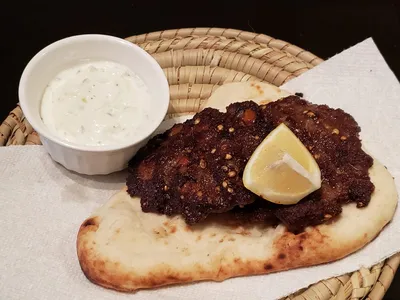
Chapli Kabab: Crispy Edges, No Breaking
A chapli kabab is wide, thin and a bit ragged on purpose. These are the reasons it cracks or goes soft, and the settings that give a lacy brown edge.
The Degchi App Guide: Every Feature, Explained Step by Step
Degchi answers one question: what can we cook today? This guide walks through every feature in order, with a short post for each screen.
Halwa Types Compared: Suji, Gajar, Zarda and More
Halwa is a method more than a recipe: fry something in fat, add sugar and liquid, cook until it holds. Here are three versions with the ratios that matter.