 Degchi
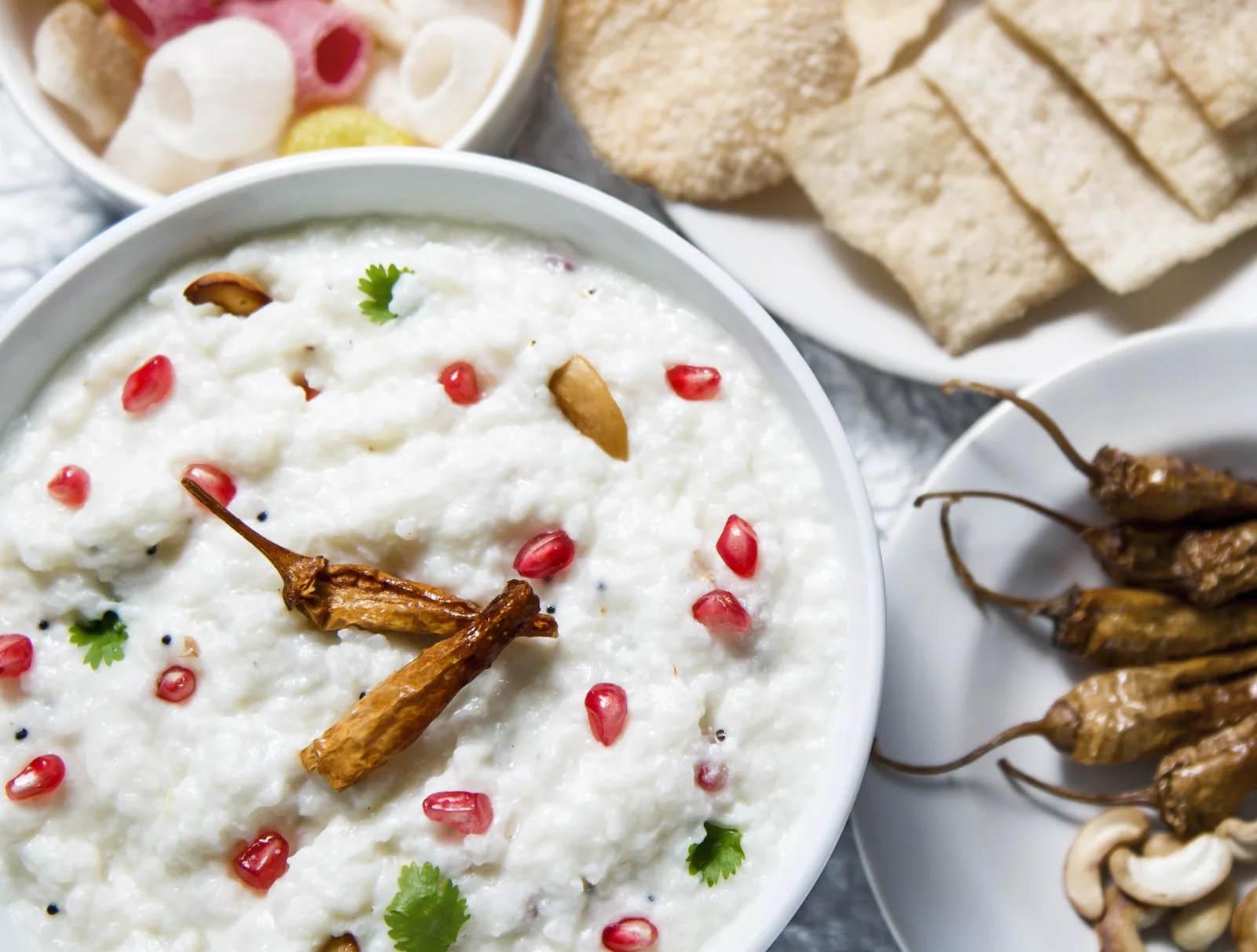
Yogurt, Dahi, Curd, Laban: Which One to Buy Abroad
You stand at a US supermarket yogurt wall with 40 tubs: Greek, Icelandic, whole milk, nonfat, vanilla, "skyr". Your recipe says "1 cup curd". Which one is it?
There is no single answer, because dahi, curd, yogurt and laban are close relatives, not twins. Here is how the names line up, and which tub tends to work for each job.
The names, in plain terms
- Dahi is the Hindi and Urdu word for set, soured milk, what most South Asian homes make daily. It is usually mild and slightly sour, and set at home without a thickener.
- Curd is the common word in Indian English for the same thing. In Western English "curd" can also mean the solid bits of milk in cheese-making or the soft pieces of milk that split in a dish, so context matters.
- Yogurt (or yoghurt in the UK) is the Western word, and shop-bought tubs vary widely in thickness and tartness.
- Laban is the Arabic word. In the Gulf and Levant it can mean a plain yogurt, or a thinner drink-style one, and in some shops it means a salted yogurt drink, similar to ayran. The meaning shifts by country, so read the tub.
In many recipes you can treat dahi, curd and plain yogurt as interchangeable, with adjustments for thickness.
Why thickness changes the result
Home-set dahi is fairly loose. Many Greek-style tubs are strained, so they are thick and tangy, with more protein per spoon and less liquid. If a recipe is written with loose dahi and you use thick Greek yogurt, the dish can turn out heavy or dry, and a marinade may not coat well.
A simple fix is to thin the thick tub with water or milk, about 2 tablespoons (30 ml) per cup (about 245 g) to start, and whisk until smooth. Adjust by eye.
On the other hand, if a recipe says "thick yogurt" and you use loose dahi, you can strain it for a while in a cloth to bring it closer.
Hung curd: you make it
Hung curd is not a product on the shelf in most places. It is dahi tied in muslin and left to drain until thick, like a soft, spreadable cheese. It is used for kebab marinades, dips and anywhere you want yogurt flavour without much water.
How to make it:
- Line a sieve with a clean cloth or muslin, over a bowl.
- Spoon in plain, unsweetened yogurt, about 500 g (2 cups).
- Fold the cloth over and refrigerate for 2 to 4 hours, depending on how thick you want it.
- Scrape the thick solid into a bowl. The liquid in the bowl is whey; some cooks use it in dough or soups.
If you strain a Greek-style tub you will get a very thick result faster, so check after an hour.
Which tub for which dish
| Job | A good choice | Notes |
|---|---|---|
| Raita and plain eating | Plain whole-milk yogurt | Whisk smooth first |
| Marinades for kebabs, tikka and biryani | Hung curd or plain Greek-style | Thick coats meat evenly |
| Lassi | Plain whole-milk, not strained | Thinner blends better |
| Kadhi and curries | Plain, slightly sour, whisked | See the curdling note below |
| Curd rice | Plain, mild, whole-milk | Avoid flavoured tubs |
| Mishti doi | Often set at home from milk | A starter tub of plain yogurt helps |
Always buy plain, unsweetened for cooking. Vanilla or fruit tubs bring sugar and flavour you do not want.
Whole milk vs low fat
Whole-milk yogurt tends to give a creamier result, and it resists splitting a little better in hot gravies than nonfat does. Low-fat is fine for raita and lassi. If a curry has to simmer with yogurt, use full-fat, whisk it well and add it gradually off a low heat. For the reasons yogurt splits and how to avoid it, see why does my curry curdle.
Labels to watch for abroad
- "Greek yogurt" or "Greek-style": strained, thick. Use thinned for general cooking.
- "Icelandic skyr": even thicker, very mild.
- "Natural" or "plain": the one you want.
- "Live cultures": worth looking for if you plan to use it as a starter for homemade dahi.
- "Laban" in a Middle Eastern shop: read the pack. It might be a thick plain yogurt or a thinner drink.
- "Cultured buttermilk": a thin, sour drink, not a substitute for yogurt in marinades, though some cooks use it in lassi-style drinks.
Brands change often, so rely on the words on the label rather than the brand name.
Making dahi at home
If you cannot find a tub that tastes right, home setting is simple:
- Warm 1 litre (about 4 cups) of milk until just steaming, then let it cool to lukewarm, about body temperature.
- Stir in 1 to 2 tablespoons of plain yogurt as a starter.
- Cover and keep it warm for 6 to 10 hours or overnight. In cool kitchens, an oven with only the light on is often used.
- Refrigerate once set.
It tends to be milder than shop yogurt and it gets slightly tangier each day. Use fresh pasteurised milk, and throw out any batch that smells off, looks pink, or has mould.
Storage
Keep it in the fridge and use it by the date on the tub. Once you open a tub, use within about a week, and use a clean spoon each time. For more on keeping yogurt as part of your pantry, see our yogurt pantry guide.
If you want to check which dishes you can already make with the tub in your fridge, the pantry sandbox can match dahi, curd and yogurt as the same item.
Related recipes




Related posts

Summer Drinks From a Desi Pantry: Six Glasses, Five Minutes
It is 40 degrees outside and the fridge has yogurt, limes and a bottle of syrup. Six no-cook drinks from our recipes, sorted by what you already have and how long each takes.

Laban and Labneh: What They Are and How to Use Them
Laban and labneh both start with yoghurt but end up very different: one is a thin salted drink, the other a thick spreadable cheese. Here is how to make both and use them.