 Degchi
Laban and Labneh: What They Are and How to Use Them
Two words, one starting point
Laban and labneh sound alike and share the same Arabic root, which is why they get muddled. In practice, they end up as very different things in the kitchen.
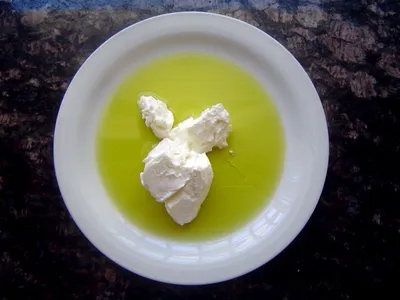
- Labneh is yoghurt that has been strained until it is thick and spreadable like soft cheese.
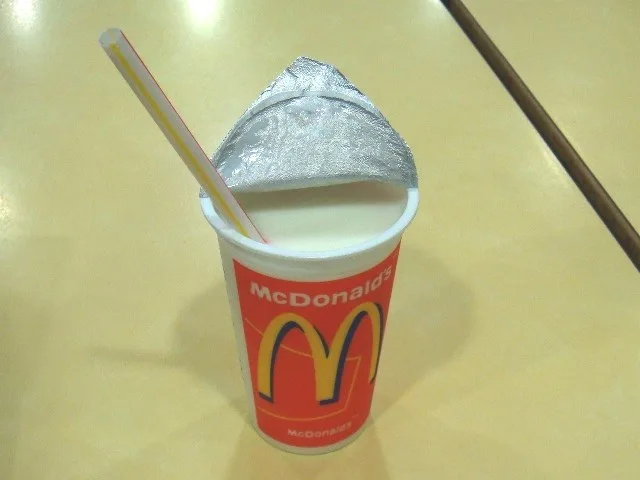
- Laban, as we use the word in our Gulf recipe collection, is yoghurt thinned with cold water and a little salt, to make a light, tangy drink.
A caution on the word laban. It does not mean exactly the same thing everywhere. In some regions it refers to yoghurt, in others to buttermilk or a cultured milk drink. We could not find one source that settles the regional usage, so when you see the word on a menu, expect the idea (a soured milk product) but check what is actually in the glass. The cousin drinks are ayran in Turkey and doogh in Iran. Wikipedia describes ayran as a cold, savoury yoghurt drink whose main ingredients are yoghurt, water and salt, sometimes with mint, and says it has been drunk by Turkic peoples for about 1,000 years.
How to make labneh
Wikipedia describes labneh as strained yoghurt that is thicker than Greek yoghurt and salted, traditionally drained in a cloth. Greek-style yoghurt is also strained, but usually not salted and not as long. Turkish labne is described as a different product: salt-free and used like mascarpone.
Our labneh recipe serves 4:
- 500 g (2 cups) plain yoghurt
- 1/2 tsp salt
- 2 tbsp olive oil, to serve
- 1 tbsp za'atar, to serve
The method:
- Mix the yoghurt with the salt.
- Spoon it into a muslin cloth or a fine strainer set over a bowl. Tie it up, or cover, and refrigerate.
- Drain for about 10 hours. Our recipe says the yoghurt should be thick like soft cheese by then. Throw away the whey, or save it for baking or smoothies.
- Spread onto a small plate, drizzle with olive oil and sprinkle with za'atar. Serve with flatbread.
The step timer in our recipe is 10 hours, so the easy way is to set it up in the evening and have it ready in the morning. Use full-fat yoghurt for the creamiest result. Low-fat works but yields less and a firmer texture. Plain yoghurt without stabilisers or added thickeners strains best.
How to make laban
Our laban recipe serves 4:
- 300 g (1 1/4 cups) yoghurt
- 1/2 tsp salt
- 1 tsp dried mint, crushed
- Cold water
- Whisk the yoghurt in a jug until smooth.
- Add cold water gradually, whisking, until it is a thin, drinkable consistency.
- Add the salt and mint and whisk again.
- Chill in the fridge for an hour, then serve over ice.
Add the water gradually. A big splash at once leaves lumps and makes it hard to hit the right thickness. If you like it sharper, add a squeeze of lemon, though we have not tested that in the recipe.
What to serve with labneh
Labneh is flexible. Wikipedia says that in the Levant it is a common mezze and sandwich filling, often with mint, za'atar and olives on flatbread, or a breakfast dip with olive oil and dried mint. In Egypt it is eaten with olives, oil or honey as a snack or breakfast. Some versions are rolled into balls and stored in olive oil, sometimes coated in za'atar, sumac, sesame or chilli flakes.
Ideas that need no skills:
- Spread on warm flatbread with olive oil and za'atar for breakfast.
- Use instead of mayonnaise in a sandwich with cucumber and tomato.
- Serve beside grilled meat or kebabs, as a cooling dip.
- Top roasted vegetables, such as eggplant or beets.
- Drizzle with honey and serve with fruit.
What to serve with laban
Laban is for balance. It goes with rich, spiced food: rice dishes, grilled meat, anything fried. In our Gulf recipe notes, it is served alongside almost any meal to cool the spice. Try it next to chicken machboos or maqluba.
Labneh versus Greek yoghurt in a recipe
If a recipe calls for labneh and you only have Greek yoghurt, you can strain the Greek yoghurt for a few more hours with a pinch of salt and get close. If a recipe calls for thick yoghurt and you only have labneh, loosen it with a spoonful of water or milk. The two are not identical, but they are close cousins, and a salted, longer-strained product will taste tangier and denser. Taste as you go, and adjust the salt in the rest of the dish.
Storage
Fresh labneh keeps for several days in the fridge, covered. The oil-preserved balls mentioned above can be kept much longer, with Wikipedia describing storage of over a year for some traditional versions. We would not follow that for home use without proper food safety guidance, because oil-stored dairy needs care. Make fresh and eat within about a week.
Laban is best the day it is made. It separates if it sits, so whisk it again before pouring.
Fixes for thin labneh and sour laban
- Labneh too thin. Strain longer. Taste and thickness change with time.
- Labneh too salty. Use less salt next time. You can add more at the table but not take it out.
- Laban too sour. Your yoghurt was already tart. Use a milder one, or dilute more.
- Gritty or lumpy laban. Whisk the plain yoghurt smooth before adding any water.
Timers for the draining
Long steps like draining have timers in the recipes, with metric and US amounts and a servings scaler. The app is free and in closed beta. Join the beta if you would like to try it, or browse the full recipe library first.
Related recipes

Related posts

Summer Drinks From a Desi Pantry: Six Glasses, Five Minutes
It is 40 degrees outside and the fridge has yogurt, limes and a bottle of syrup. Six no-cook drinks from our recipes, sorted by what you already have and how long each takes.
Yogurt, Dahi, Curd, Laban: Which One to Buy Abroad
Dahi, curd, yogurt and laban overlap, and hung curd is something you make yourself. Here is which name means what and which tub to put in the trolley abroad.
How to Host a Mezze Night at Home
A mezze spread looks impressive and is mostly made ahead. Here is a menu from our library, a timeline, and what to cook on the day.

What Can I Cook With Yogurt? 9 Drinks, Curries and Sweets From Our Recipes
Yogurt (dahi) is a drink, a marinade, a curry base and a dessert starter. Nine dishes from our recipes, how to keep it from splitting, and how long it lasts.