Degchi

Photo: David Pursehouse / CC BY 4.0
Why Does Daal Foam and Boil Over? How to Stop It
The stove top after daal
If you cook lentils often, you have a memory of this: a pot at a calm simmer, a short turn away, and then a hiss. White-grey foam has climbed over the rim and run down the side, glued itself to the burner, and smells like burnt flour for a week. It is not a sign that you did anything wrong with the recipe. It is physics, and it can be managed.
Why lentils foam
Lentils and other pulses contain proteins and natural soap-like compounds called saponins. When they are heated in water, these compounds and starch from the surface of the lentils make a stable foam, the way soapy water does. The more the water boils vigorously, the more foam builds. <!-- VERIFY: saponin and protein explanation for pulse foam; check a food-science source -->
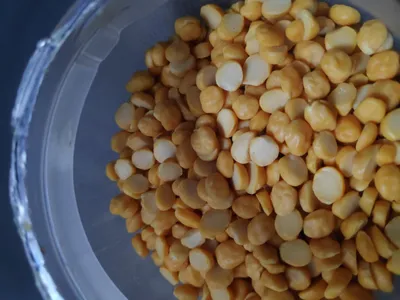
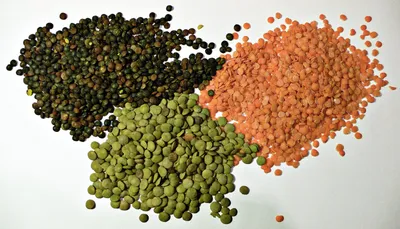
Some lentils foam more than others. Red and yellow split lentils, such as masoor and toor, tend to foam heavily. Whole beans and chickpeas foam on the first boil, and then mostly settle.
Four ways to cut down the foam
1. Rinse thoroughly first
Rinse the lentils in a bowl of cold water, swirl, and pour off the cloudy water. Repeat 3 to 4 times, until the water runs mostly clear. This washes off loose starch and dust, which is a big part of the foam. It takes about 2 minutes and makes a large difference.
2. Soak when the lentil calls for it
Soaking lets the lentils absorb some water before the pot, so they need less time at a boil. Our post on whether soaking daal matters lists which types benefit. Drain the soaking water and cook in fresh water.
3. Use a bigger pot than you think
A pot that is half full gives foam room to rise. As a rule of thumb, fill a pot or pressure cooker no more than half to two-thirds with lentils and water together. <!-- VERIFY: pressure cooker fill limit; most manufacturers say two-thirds for general food and half for foamy foods like pulses, check the manual -->
If you use a pressure cooker, never fill past the maximum line, and check your manual. Foaming food can block the steam vent, which is a safety issue. See the pressure cooker lentils guide for the safe settings.
4. Skim, and add a little fat
When the pot first comes to a boil, a layer of foam gathers on top. Skim it off with a spoon over the first 5 minutes, then lower the heat to a gentle simmer. Adding 1/2 teaspoon of oil or ghee to the water helps break the surface tension of the foam, which is why many cooks add oil at the beginning. <!-- VERIFY: oil reducing foam is common practice; effect size not measured -->
A wooden spoon laid across the pot is also a common trick. It does not break the foam chemically, but the foam touching the cool wood often pops. Treat it as a bonus, not a guarantee.
What not to do
- Do not crank the heat and leave. The foam appears at the highest boil. Bring it up, then drop it.
- Do not put the lid on tight at the start. A fully closed lid traps steam and pushes foam over. Leave a gap, or use a lid with a vent, until the first foam is skimmed.
- Do not fill the pot to the brim. Daal doubles or triples in volume as it absorbs water.
How much water, and how long
A common starting ratio for split lentils is about 1 part lentils to 3 or 4 parts water by volume, adjusted for the type and the thickness you want. For example, 1 cup (200 g) of masoor needs about 3 to 4 cups (720 to 960 ml) of water. Red lentils soften in about 20 to 25 minutes; chana daal takes longer, often 45 to 60 minutes in an open pot. <!-- VERIFY: approximate cooking times for masoor and chana daal; check against recipe pages -->
Look at the daal recipe and the chana daal recipe for exact amounts, and use the same technique: rinse, bring to a boil, skim, then simmer.
Quick troubleshooting
| Problem | Cause | Fix |
|---|---|---|
| Foam climbs the pot in the first 5 minutes | Unrinsed lentils, high heat | Rinse well, skim, lower the flame |
| Pot lid rattles | Lid too tight, heat too high | Crack the lid, reduce heat |
| Burnt crust on the base | Not enough water, no stirring | Add hot water, stir from the bottom |
| Pressure cooker spits from the vent | Overfilled, foaming | Fill less, rinse more, use the natural release |
| Daal stays hard | Old lentils, hard water, early salt or acid | See the daal that won't soften post |
Cleaning the stove after
If it has already happened, wipe the burner when it is cool. For dried-on starch, put a damp cloth over it for 10 minutes and it lifts. Do not scrape a gas burner with something sharp, since you can block the holes.
One calm daal routine
- Rinse the lentils until the water is nearly clear.
- Put them in a pot at most half full, with enough water to cover by about 4 cm (1.5 inches).
- Add a little oil or ghee, and bring to a boil with the lid off.
- Skim the foam for the first 5 minutes.
- Lower the heat, partly cover and simmer until soft.
- Add salt once the lentils are soft, then make the tadka.
Finish with a dal tadka style tempering, and the same pot becomes a clean, creamy bowl. If you want to see which lentils you have before you decide what to cook tonight, you can try Degchi's pantry demo.