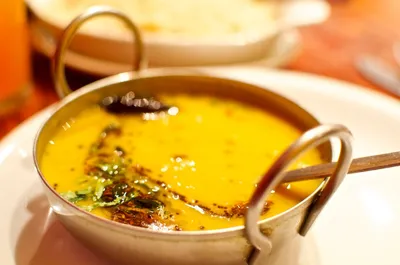
 Degchi
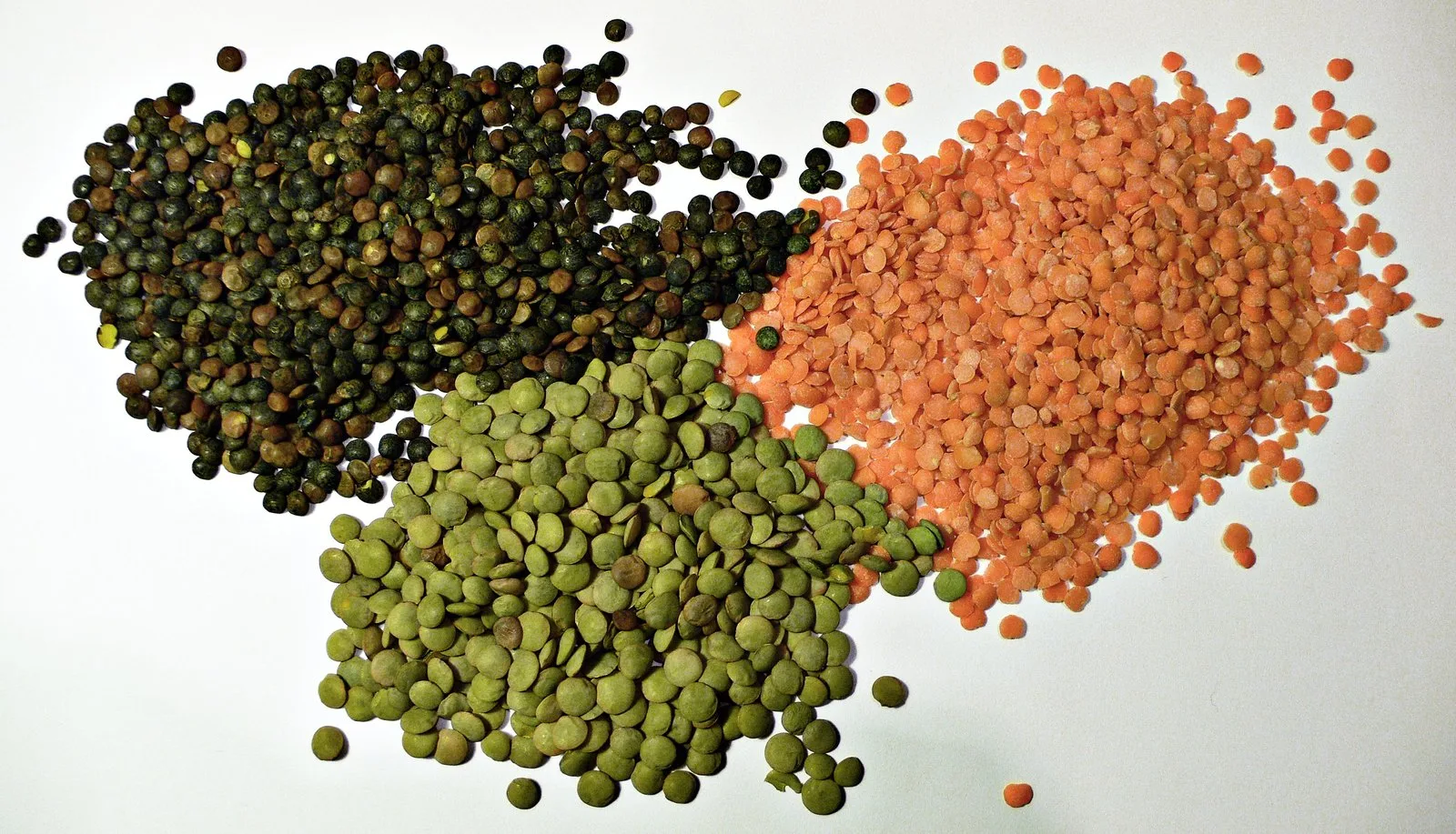
Photo: User:Justinc / CC BY-SA 4.0
Toor, Masoor, Moong, Urad, Chana: Daal Names Explained
You walk into a US grocery store to buy daal and the shelf says "split peas" and "lentils", with not one mention of toor or masoor. A British shop might label the same bags "pigeon peas" or "red split lentils". The words on the bag are not what you saw in the recipe.
Here is a translation sheet for the six most common daal names, with the shelf labels they tend to carry, and the dishes each one suits.
First, what "daal" means
Daal (also dal, dhal) means split pulses. It also means the cooked dish made from them. The pulses may be lentils, peas or beans, so a single English word does not cover it. That is why shop labels vary so much.
Many daals come in two forms: with skin (sabut or chilka) and skinless, split (dhuli). The same bean can taste and cook quite differently in each form. Always check whether the bag says "split", "whole", "skinless" or "with skin".
The translation table
| Daal name | Other names | Common English labels | Colour (raw) | Cooks to |
|---|---|---|---|---|
| Toor | Arhar, tuvar, toovar | Pigeon pea, split pigeon peas, yellow lentils | Pale yellow | Creamy, firm |
| Masoor | Red lentils | Red lentils, split red lentils | Orange-pink | Soft, quick |
| Moong | Mung, mung bean | Split mung beans, yellow moong, green gram | Yellow | Soft, light |
| Urad | Black gram | Split black gram, white lentils (skinless) | White (skinless) or black (with skin) | Thick, sticky |
| Chana | Bengal gram | Split chickpeas, Bengal gram, sometimes yellow split peas | Deep yellow | Firm, nutty |
Treat the "English label" column as a guide. Brand and country decide what the packet says.
Toor / arhar
Toor and arhar are the same pulse under different regional names. In English it is often called pigeon pea, and it may also appear as "yellow lentils", which confuses people because other daals are yellow too. Look for the word "toor", "tuvar" or "pigeon pea". It is often sold plain or oily, meaning coated lightly in oil as a preservative. Oily toor is usually rinsed well, sometimes soaked, before cooking.
Toor tends to be the base for everyday daal and for sambar-style dishes. It takes longer than masoor, often 30 to 45 minutes on the stove, or a few whistles in a pressure cooker, depending on how old it is.
Masoor
Masoor is the red lentil. Raw, it looks orange. Cooked, it often turns a paler yellow. In the UK it is sold as "red split lentils", and in the US as "red lentils". It cooks fast, often in 15 to 20 minutes without any soaking, and it turns mushy without much stirring. It is a good first daal for beginners, and the base of musurir dal, the Bengali style.
Note that whole masoor, with the brown skin on, is a different bag labelled "brown lentils" or "whole masoor". It is firmer and takes longer.
Moong
Moong comes in three forms: whole green, split with skin, and split skinless, often labelled "yellow moong". Skinless split moong is light and easy to digest, and cooks in roughly 20 to 30 minutes. It is the one used in khichdi in many homes. Whole green moong takes longer and tends to be soaked first.
If you read "green gram" on a bag, it is moong.
Urad
Urad is the black gram. Skinless and split, it is white. It is the base for dosa and idli batter, and, whole with skin, for dal makhani, the slow-cooked, creamy dish. It becomes sticky when cooked, which is exactly why it works in batter. Whole urad needs soaking and a long simmer, so plan for hours, not minutes.
On a label you might see "black lentils", "urad dal", "black gram" or "white lentils" for the skinless split type. The last one confuses people, since white lentils is not a distinct crop.
Chana
Chana daal is the split, skinned baby chickpea, called Bengal gram. It is not the same as whole chickpeas, and not the same as yellow split peas, though the two look alike. Yellow split peas, common in US and UK supermarkets, are a related but different pulse. Many cooks substitute one for the other, and the result is close, though chana daal usually holds its shape better and tastes nuttier. It takes longer than toor, so soaking for a couple of hours is common. Our chana daal recipe shows a plain way to cook it.
Which one for which dish
- A fast weeknight bowl: masoor.
- Everyday home daal with tadka: toor or a mix, as in dal tadka.
- A plain, simple daal for the sick or tired: skinless moong.
- A slow, creamy dinner: whole urad, as in dal makhani.
- Something with bite: chana daal.
For help choosing between three of these, masoor vs moong vs chana daal goes further.
Reading a label abroad
A short checklist:
- Find the Latin or Indian name on the bag, usually in small print: toor, masoor, moong, urad, chana.
- Check split or whole, and with or without skin.
- Look for "oily" or "unoiled". Rinse oily ones well.
- Check the date. Old pulses take far longer to soften.
If a bag has only an English name, search it by that name, like "pigeon peas" or "mung beans", and confirm with a second source.
One more tip
Do not mix daals with very different cooking times in one pot unless you start the slow one first. Soaking helps some types; see does soaking daal matter for which ones.
If you are building a pantry from scratch, the pantry sandbox can show which daals match the dishes you want to cook.
Related recipes

Related posts
What to Cook With Tinned Tomatoes and Red Lentils
Tinned tomatoes and red lentils are the cupboard pair that never goes off. Here are four dinners from them, and the one timing rule that stops hard lentils.

Kabuli Chana, Kala Chana, Chickpea and Garbanzo: Which Is Which
Chana is not one ingredient. Pale chickpeas, small black ones, split ones and flour all have the same root word, and mixing them up ruins a curry.