 Degchi
Masoor vs Moong vs Chana Daal: Which One Tonight?
Which packet to grab
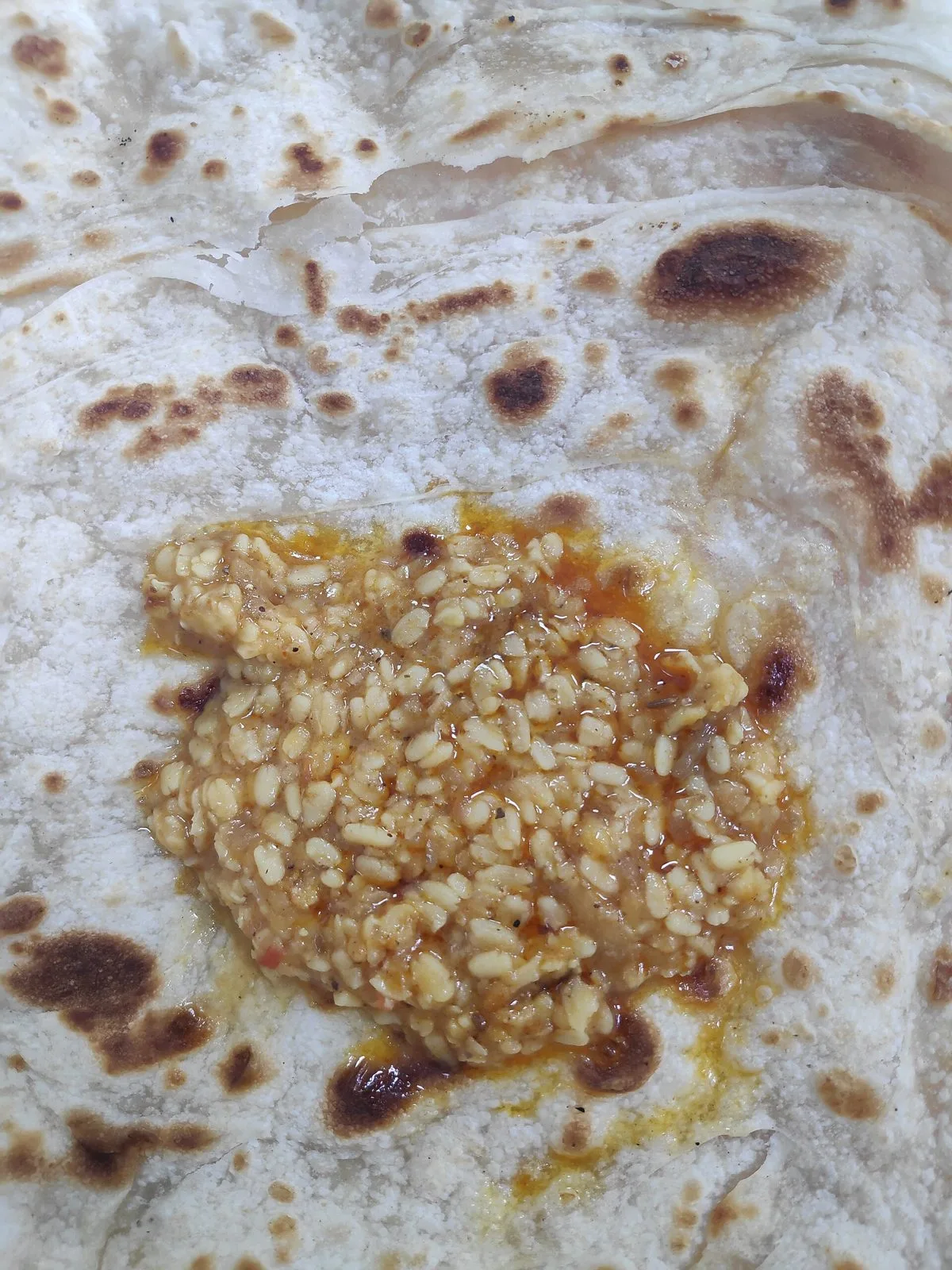
The daal aisle is a wall of orange, yellow and brown bags, and the names do not help. Masoor, moong and chana daal are the three most common split lentils in a South Asian kitchen, and they differ in cook time, texture and best use. Mixing them up leads to a pot that is either soup or gravel. Our library has daal, daal moong, chana daal and dal tadka.
Side by side
| Masoor | Moong (yellow) | Chana | |
|---|---|---|---|
| Looks like | Small salmon-orange discs (red lentils) | Pale yellow small split | Larger, deep yellow, firm |
| Whole form | Brown lentil | Green gram | Chickpea (kala chana) |
| Cook time (stovetop, unsoaked) | 15 to 20 min | 20 to 25 min | 45 to 60 min |
| Soak | No | Optional | Yes, 2 to 4 hours |
| Texture | Melts to a puree | Soft, creamy, holds some shape | Firm, nutty, keeps shape |
| Flavour | Mild, slightly earthy | Mild, light | Nutty, sweet |
| Digestibility reputation | Common everyday | Often chosen for light meals | Heavier |
We do not make health claims, but in many families moong is the daal chosen when someone is unwell and a light meal is wanted; see our sick-day comfort food guide.
Masoor: the 15-minute daal
Use it when you are late. Rinse, add 3 parts water to 1 part lentil, turmeric and salt, and boil until soft, about 15 to 20 minutes. It breaks down by itself, so you get a smooth daal without a blender. Finish with a tadka of ghee, cumin, garlic and dried chilli. For tadka basics see what is tadka.
It tends to go thin quickly. If it is watery, simmer uncovered for 5 minutes and stir; if it is too thick, add hot water.
Moong: the soft middle
Yellow moong daal is the most forgiving. It cooks in about 20 to 25 minutes, absorbs flavour and keeps a soft, spoonable texture. It is the base for khichdi, along with rice, and for mild daals served to children. Its flavour is light, so it likes garlic, ginger and a little lemon.
It can foam in the pot. Skim, or add a teaspoon of oil.
Chana: the slow one with the best texture
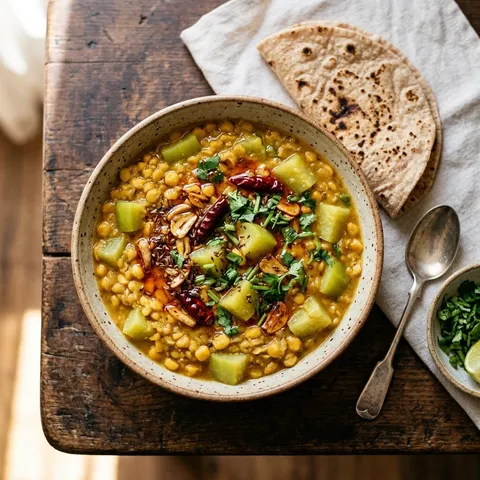
Chana daal needs a soak and a longer simmer. It stays distinct and a little firm, which suits dishes like lauki chana daal (bottle gourd with chana) or kebab binders. In a pressure cooker it takes about 4 to 5 whistles after a short soak.
Because it is firmer, it carries strong tadkas and tomato-onion masalas better than moong or masoor. Our chana daal recipe is a good starting point. Whether to soak is covered in does soaking daal matter.
Swapping one for another
| If recipe says | You have | Do this |
|---|---|---|
| Masoor | Moong | Cook 5 minutes longer, use a bit more water |
| Moong | Masoor | Cook 8 minutes less; it will be softer, smoother |
| Chana | Toor | Soak 30 min, cook about 10 minutes less |
| Chana | Masoor | Not a good swap; texture will be very different |
Mix them
Many households cook a blend: equal parts masoor, moong and toor, or chana with moong. The result has body from the chana and creaminess from the others. Start the slowest lentil first, adding the quick ones 15 to 20 minutes later. This staggered timing is the key to a mixed pot.
What to cook tonight
- Under 30 minutes, tired: masoor.
- Comfort, kids, plain rice: moong.
- Weekend, dhaba style: chana with a smoky tadka.
- Meal prep: chana holds shape best when reheated, as the meal prep guide notes.
Quantities for a family pot
A rough guide for 4 people as a main with rice or roti: 1 cup (about 200 g) of dry daal makes enough. Water ratios, measured by volume:
| Daal | Water per 1 cup dry | Salt | Notes |
|---|---|---|---|
| Masoor | 3 cups (720 ml) | 1 tsp, added at the start | Reaches a thin puree; whisk once soft |
| Moong | 3 to 3.5 cups (720 to 840 ml) | 1 tsp | Add 1/2 tsp turmeric |
| Chana | 3.5 to 4 cups (840 to 960 ml) | Salt after it is soft | Salt early can slow softening |
These are starting points. Brands and age change absorption, so keep a kettle of hot water nearby and loosen as you go. Add hot, not cold, water; cold water pauses the cooking and can leave the daal grainy.
Rinsing and scum
Rinse every daal in 3 changes of water until it runs mostly clear. Masoor and moong carry surface starch that foams and boils over. Chana carries more dust. If a grey froth rises as it comes to the boil, skim it with a spoon. Leaving it makes the pot taste slightly dusty.
Tadka that suits each one
- Masoor: ghee, cumin, garlic and a dried red chilli. Fast and plain.
- Moong: ghee, cumin, grated ginger and a pinch of asafoetida (hing). Keep it light.
- Chana: onion, tomato and garam masala, fried first and stirred in. It can handle the weight.
Pour the tadka over at the end and cover for a minute so the aroma goes into the pot, not the room.
Mistakes worth avoiding
- Salting chana at the start and wondering why it will not soften.
- Adding tomatoes or lemon to unsoftened chana. Acid slows the softening, so add it once the daal is tender.
- Using the same time for old and new stock. Lentils from a packet that has sat for a year need more time.
- Boiling masoor hard for 40 minutes. It does not need it and turns to wallpaper paste.
Storage
Dry lentils keep 6 to 12 months in a sealed jar away from heat. Older lentils take longer to soften, and the fix is a long cook, not more soak. Mark the purchase date on the jar.
Degchi lets you tick which daals you have and suggests dishes from them; the pantry sandbox shows this without a sign-up.
Related recipes
Related posts
The After-Iftar Kitchen Reset: Ten Minutes That Save Tomorrow
The kitchen after iftar is a mess and everyone is tired. A fixed ten-minute order of jobs protects tomorrow's suhoor and keeps leftovers safe.
How to Organise a Pantry So You Actually Use What You Buy
A tidy pantry is not about matching jars. It is about seeing what you own, using the oldest things first, and not buying a fourth packet of cumin.
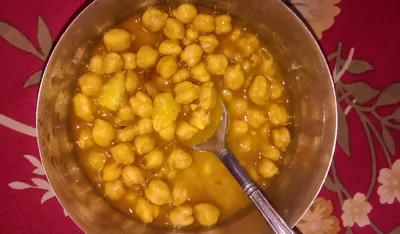
Chana Masala From Dried Chickpeas: Soak, Boil, Simmer
Dried chickpeas cost less and hold their shape better than you expect, but only if you plan the soak. Here are the times and amounts from our recipe, with the tinned shortcut.

Pani Puri Recipe at Home: Shells, Pani and Filling
Pani puri is three small jobs: shells that puff, a water you taste and adjust, and a filling that is nearly effortless. Here are the numbers for each.