 Degchi
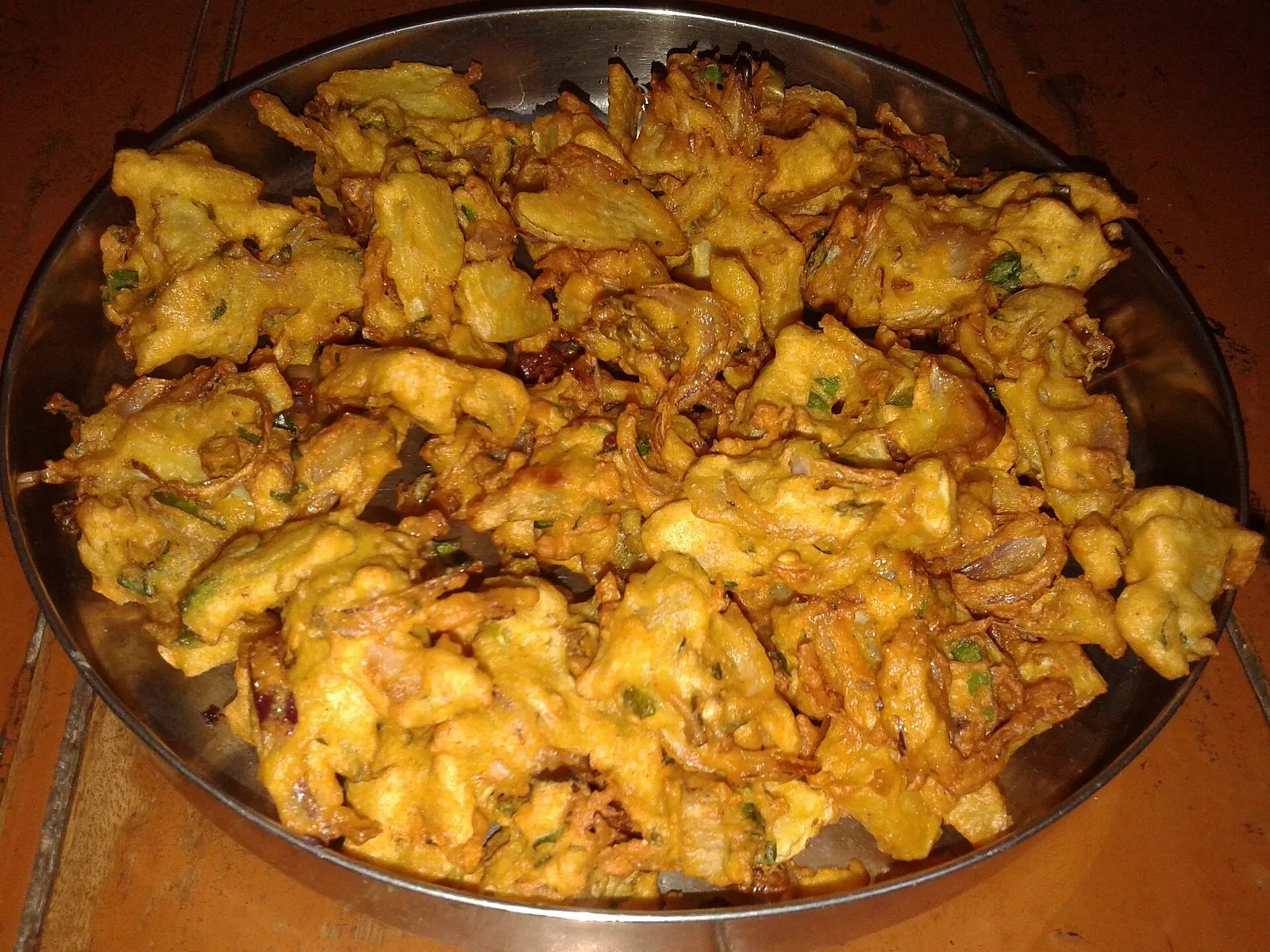
Photo: Harmeet / CC BY-SA 4.0
The After-Iftar Kitchen Reset: Ten Minutes That Save Tomorrow
The pile of pots after iftar
The call to prayer has passed, the table has been cleared of dates and water, and everybody is full and slow. The kitchen has a rice pot with a crust, a bowl of leftover chana, a tray of pakoray with oil on it, and a pan of kheer on the stove. Nobody wants to deal with it.
This is where most Ramadan kitchens lose the next day. The rice sits out too long, the lentils are not soaked for tomorrow, and suhoor starts with a bare counter and no plan. A short, fixed after-iftar kitchen reset prevents all of that. It takes ten minutes if you do the jobs in the right order.
For the bigger picture, see our suhoor night-before routine and the three-day iftar and suhoor timetable. This post is only about the last ten minutes before you rest.
The order matters
Do the food-safety jobs first, the tomorrow jobs second, the dishes last. If you only have the energy for the first block, you have still done the important part.
Minutes 0 to 3: put food away safely
- Cool the rice. Spread any leftover rice in a shallow container so it cools fast. Cooked rice should be in the fridge within about an hour, and eaten within a day.
- Move the curries and kheer. Leftover gravies and kheer should be cooled and refrigerated rather than left on the stove overnight. A shallow container cools faster than a deep pot.
- Cover the fried items. Pakoray and samosas go in a container only once cool. They will not be as crisp tomorrow; reheat them in a hot oven or air fryer rather than a microwave.
Leftovers are fine for a day in the fridge, reheated until steaming hot all the way through. If you cannot say when it was cooked, throw it away.
Minutes 3 to 6: do tomorrow's prep
Pick two jobs, not ten.
- Soak or rinse lentils. Masoor daal and daal moong do not need soaking, but rinsed lentils in a covered bowl in the fridge save a step at suhoor.
- Chop onions and ginger-garlic for tomorrow's iftar, and store them in a sealed box in the fridge.
- Thaw the protein. Move tomorrow's chicken or mince from the freezer to the bottom shelf of the fridge. It needs to be cooked within about a day once thawed, and chicken must reach 74 C / 165 F, mince 71 C / 160 F.
- Set the pot out. Put tomorrow's heavy pot on the stove and the tawa on the counter so the first step is already done.
Minutes 6 to 10: reset the counters
- Soak the crusty pot in hot water and soap. It is easier tomorrow than tonight.
- Wipe the surfaces where raw meat, oil or flour have been.
- Empty the bin if it holds food scraps. Warm kitchens smell by morning.
- Label the fridge. A strip of tape with a date takes ten seconds and ends the guessing.
Make the leftovers earn their keep
Planned leftovers beat hopeful ones. If you know you will have extra chana from tonight's iftar, plan the next use before you put it away.
- Leftover chana can go into samosa chaat tomorrow, with a bit of yogurt and chutney.
- Leftover daal can be thinned with hot water and served at suhoor with roti.
- Leftover pakoray can be warmed and eaten with chutney rather than tossed.
Write the plan on the label: "chana for chaat, Tuesday". Then the leftover is already a meal.
What to leave for the morning
You do not have to prep everything tonight. Some jobs are better left.
- Frying. Never fry late at night when you are tired. Batter can be made in the morning.
- Rice. Cook it fresh for each meal. If you must cook ahead, cool it fast and keep it cold.
- Salad. Cut it at the time it will be eaten.
- Anything you would have to taste to finish. You will make mistakes when tired.
A fixed order, a short checklist
Write this list inside a cupboard door and do it in order.
- Rice and curries into shallow containers, cool, fridge.
- Fried items covered, left for tomorrow.
- Protein out of the freezer.
- Two prep jobs done.
- Pots soaking.
- Surfaces wiped, bin out.
- Label with date.
If you share the house, split the list: one person does food and fridge, another does pots and counters. The first block has a deadline; the second does not.
Two nights, two versions
The reset changes depending on how tired you are, so keep a short version and a full one.
The 4-minute version. Rice into a shallow container, curry into the fridge, protein out of the freezer, pots into soapy water. Nothing else. Do this on the nights after guests, after a long day at work, or when the children are unwell.
The full version. Everything above, plus rinsed lentils, chopped onions, a wiped stove and a labelled fridge shelf. Do this on a weekend night, when you have time and someone else can watch the children.
The mistake to avoid is skipping the reset altogether because you cannot do the full one. Four minutes of safe storage is worth far more than an ambitious plan you drop. Over thirty nights, the short version alone means thirty evenings of leftovers kept properly and thirty mornings with the protein already thawed.
Keep it light
There will be nights when you cannot do any of this. If you can only do one job, make it the first block. A messy kitchen is a problem for tomorrow, but warm rice left on the counter is a problem for tonight.
If you want the same list on your phone, Degchi can send a reminder at the time you pick, and the pantry on the home page shows what you can cook with what is left. Over a long Ramadan, small habits like these save more energy than any single clever recipe.
Recipes with rice Recipes with chickpeas Recipes with lentils Recipes with onions
Related recipes

Related posts
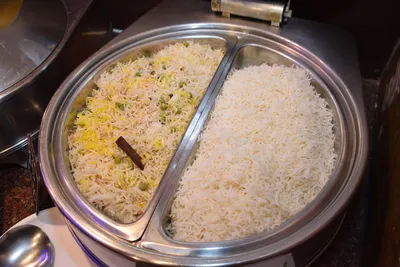
A Lentil-and-Rice Week: Seven Dinners on a Tight Budget
Lentils and rice can feed a family well and stay interesting for a week, if you change the dish, the spice and the texture. Here is a plan that does.
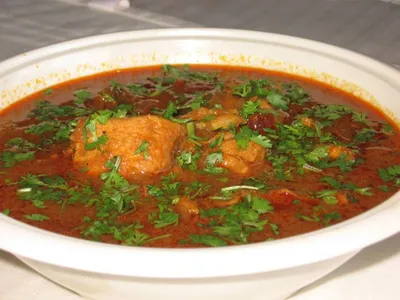
Handi vs Karahi: Which Pot, Which Dish?
A handi is a deep slow pot, a karahi a steep wok-like pan. The dishes follow the pot. Here is how our chicken handi and chicken karahi differ, and what to do without either pot.
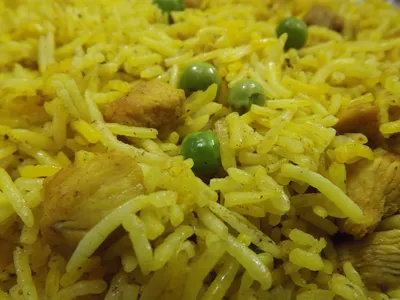
Lunchbox From Last Night's Dinner: Pack Before You Sit Down
The best school lunchbox is the dinner you already cooked. Four dishes from our library that pack well, plus the one habit that makes it all work.
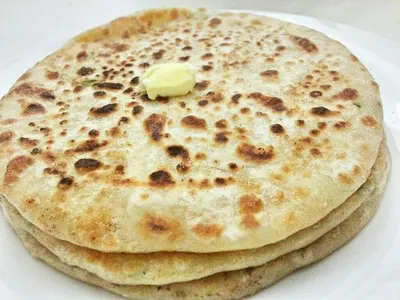
Reheating Samosas, Parathas and Kebabs: Air Fryer vs Tawa
The air fryer is great at one kind of leftover and poor at another. A dish-by-dish guide to reheating samosas, parathas, kebabs and pakoray without losing the crunch.