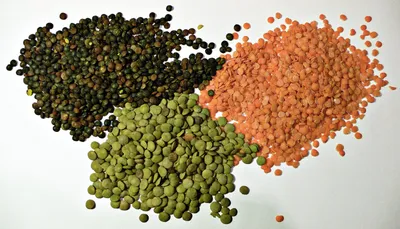
Degchi
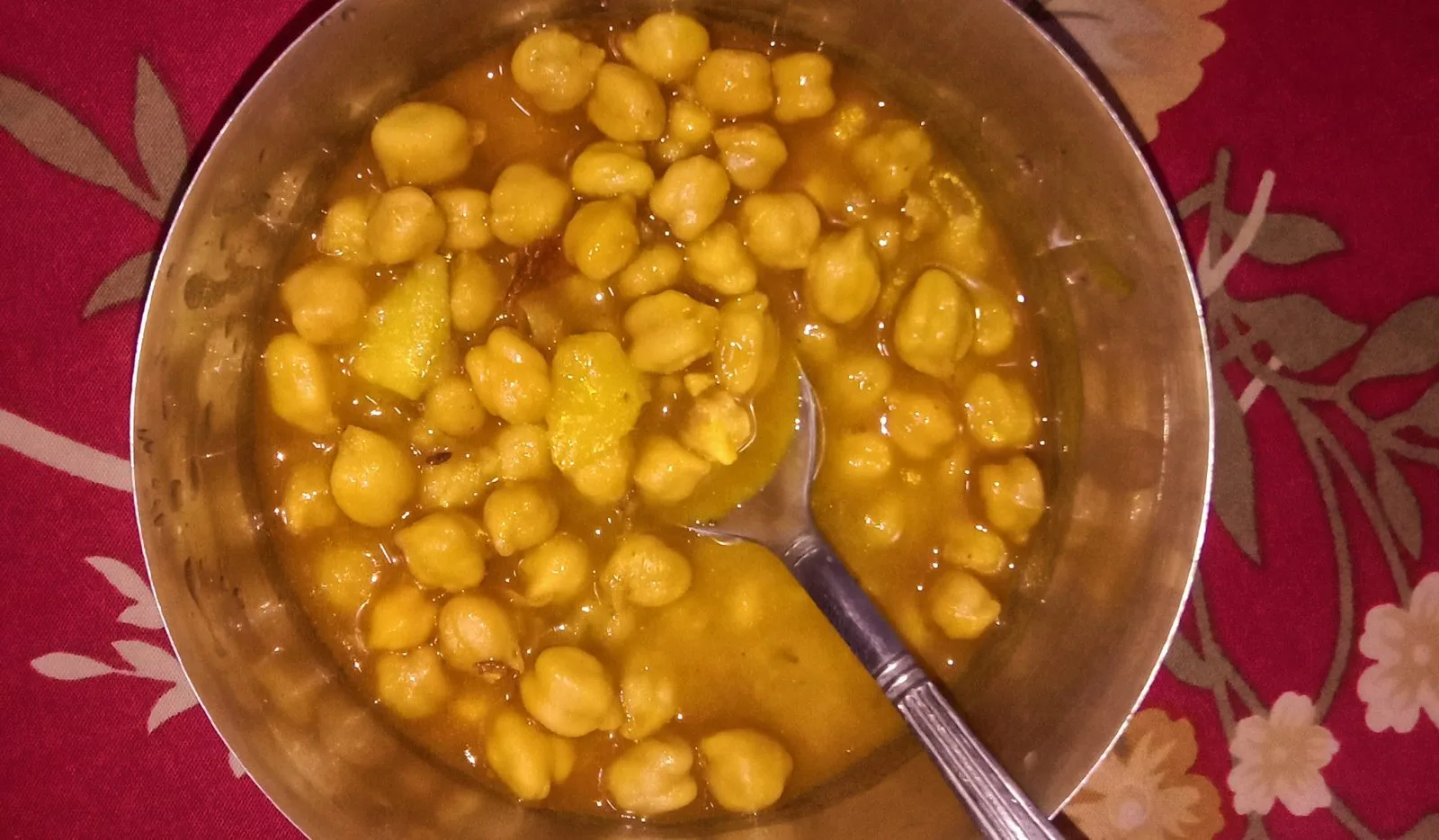
Photo: Billjones94 / CC BY-SA 4.0
Kabuli Chana, Kala Chana, Chickpea and Garbanzo: Which Is Which
A recipe says "1 cup chana, soaked overnight". You pick up a bag labelled garbanzo beans, soak it, cook for an hour and they are still hard. Or you buy chana daal when you wanted whole chickpeas, and the dish turns to mush. Chana is a family of ingredients, not a single item, and the names change by region and by shop.
This guide sorts them out, with cooking notes and what to buy for each dish.
The four things called chana
| Desi name | English | What it is |
|---|---|---|
| Kabuli chana, safaid chana, chole | Chickpea, garbanzo bean | Large, pale beige, round |
| Kala chana, desi chana | Black chickpea, Bengal gram (whole) | Small, dark brown, wrinkled |
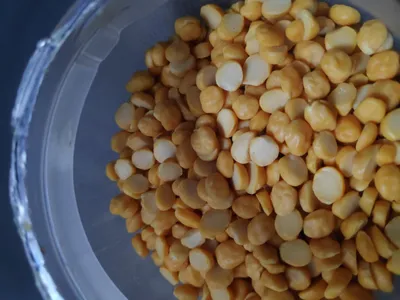
| Chana daal | Split Bengal gram | Kala chana, husked and split, yellow |
| Besan | Gram flour, chickpea flour | Ground chana daal |
"Garbanzo" is the same pulse as kabuli chana. In UK shops you will see "chickpeas", in the US both "chickpeas" and "garbanzo beans". They are the same thing.
Which one for which dish
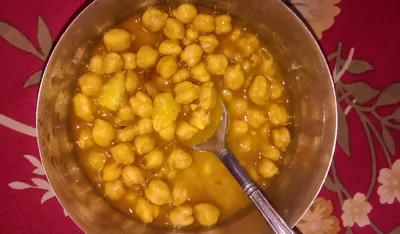
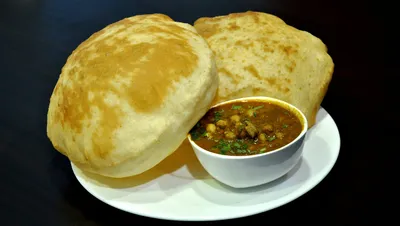
Chana masala and chole: kabuli chana. Large, creamy and good at holding shape. Used in chole bhature and halwa puri chana too.
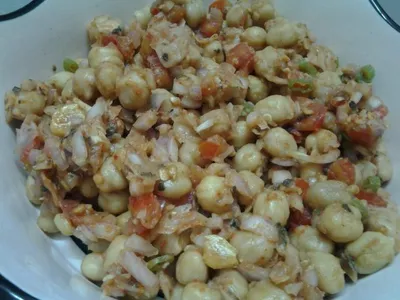
Chana chaat: kabuli chana, cooked soft but not mushy, cooled, and tossed with onions, tomatoes and chutneys. Tinned chickpeas, drained and rinsed, save time.
Kala chana curry, kala chana sundal, kala chana soup: kala chana, which is nuttier, firmer and a little sweeter. It takes longer to cook and needs a long soak.
Chana daal: split chana. It does not need soaking as long as whole chickpeas, but a soak of an hour or two helps, and it holds its shape better than other lentils.
Besan: pakora batter, kadhi, besan chilla, sweets. Not interchangeable with whole chana.
Soaking and cooking times
Times vary with age of beans, water hardness and your pot, so treat these as guides.
- Kabuli chana: soak 8 to 12 hours. Pressure-cook roughly 15 to 25 minutes after the first whistle build-up, depending on your cooker; open-pot simmer takes about 1 to 1.5 hours.
- Kala chana: soak 8 to 12 hours. Pressure-cook roughly 25 to 35 minutes; open-pot takes about 1.5 to 2 hours.
- Chana daal: soak 1 to 2 hours. Cook about 20 to 30 minutes in an open pot, less in a pressure cooker.
Old, dried beans may need longer, and hard water or adding salt or acid too early can slow softening. See pressure cooker whistle count for chickpeas, rajma and daal for a cooker-based guide, and does soaking daal matter for the soak question.
A pinch of baking soda in the soak water can soften chickpeas, though it can also make them break down more; use no more than a small pinch and rinse well.
Tinned versus dried
Tinned chickpeas are cooked and ready in minutes. Drain and rinse; the liquid is salty and can foam. Dried beans are cheaper per portion and give you control over softness, but need planning. A 400 g (14 oz) tin of chickpeas holds roughly 240 g (about 1.5 cups) of drained beans, which is similar to what you get from about 100 g (a bit over half a cup) of dried chickpeas after soaking and cooking.
For a weeknight chana masala, tinned beans are perfectly fine. For a Sunday pot, dried beans give a richer broth.
Storage
Keep dried chana in airtight jars in a cool, dry place. Whole chickpeas keep for a long time but get harder with age; the older they are, the longer they take to soften. If a bag has sat in the cupboard for years, expect a long cook. The storing daal, lentils and chana guide explains how to tell old from fresh.
Cooked chickpeas keep in the fridge for a few days in a covered container. They also freeze well in portions.
Reading the packet
At a South Asian grocer, labels often use Hindi or Urdu names: "kabuli chana", "kala chana", "chana daal", "besan". At a regular supermarket, look for "chickpeas" or "garbanzo beans" for kabuli, and "black chickpeas" or "Bengal gram" for kala chana. "Split chickpeas" or "channa dal" is the split kind. Do not confuse chana daal with toor daal or yellow split peas, which look similar but taste and cook differently; the daal names and labels guide clears it up.
A mix-up checklist
- Soaked chickpeas still hard? Probably old beans, hard water, or the wrong type. Cook longer.
- Curry became a paste? You used chana daal, not whole chana.
- Pakora too heavy? You used chickpea flour with too little water or too much leavening.
- Chaat too salty? You did not rinse tinned chickpeas.
Keep a note
If you shop at more than one store, write the shop's name for each chana in your pantry list, so you grab the right bag. Degchi's pantry lists carry alternate names, so a recipe asking for chole will match a pantry item labelled garbanzo; try it at degchi.matrixinn.net/#try. Next time you cook, label the jar with the type and the date you bought it. That one habit prevents most chana mix-ups.
Recipes with chickpeas Recipes with tomatoes Recipes with lentils Recipes with onions