 Degchi
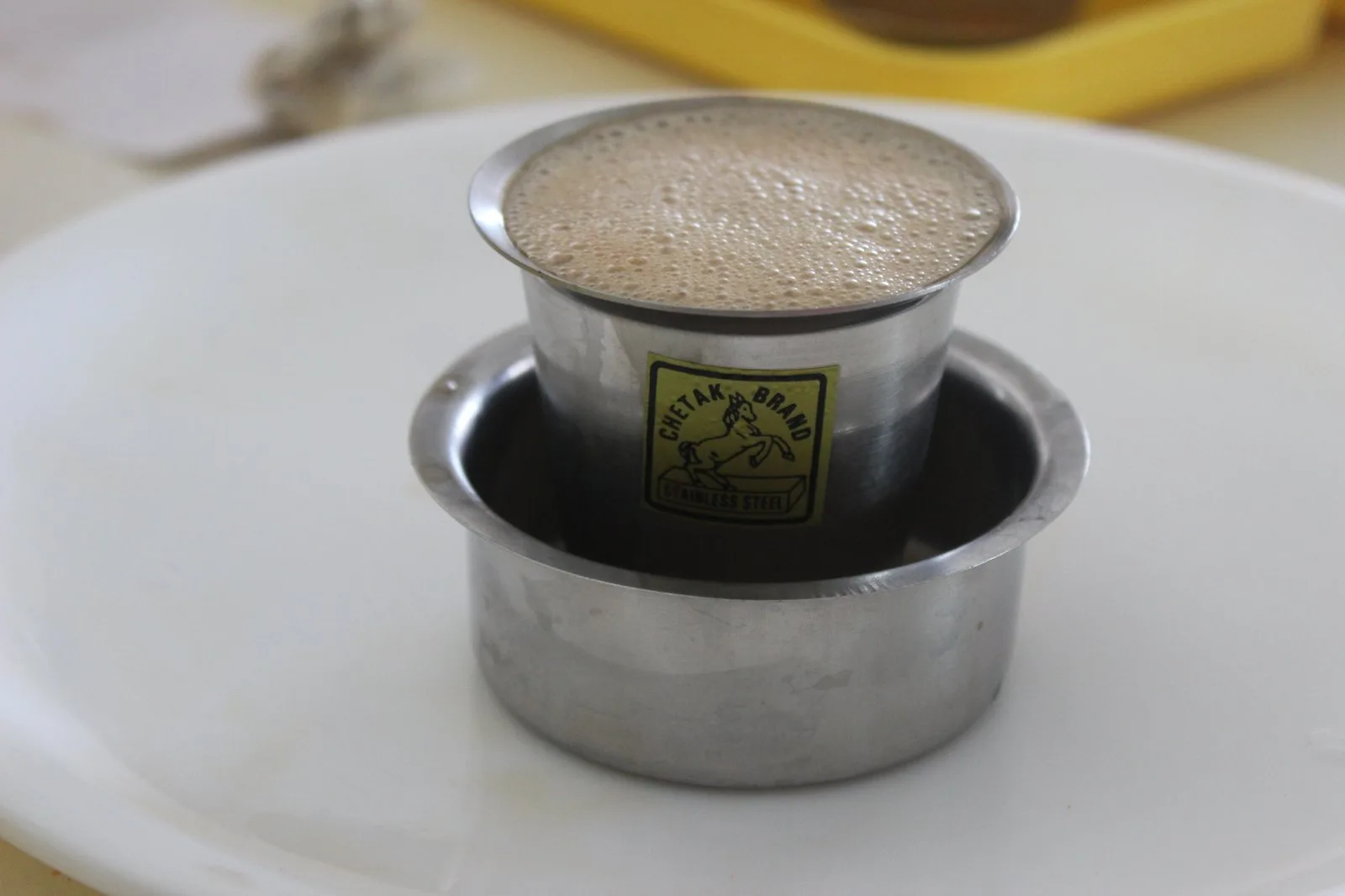
Photo: Vallari.a / CC BY-SA 4.0
Filter Coffee at Home: Decoction, Ratio and Froth
Why your coffee tastes thin next to the tumbler version
You brew a pot, add milk, and it tastes like brown water with sugar. Then a South Indian tiffin place hands you a small steel tumbler and the same three ingredients taste like a different drink. The difference is not a secret bean. It is a concentrated, slow-dripped coffee liquid called decoction, mixed with a lot of hot milk.
If you want filter coffee at home, think of two separate jobs: make a strong decoction slowly, then build the cup from decoction, milk and sugar.
The decoction: slow is the whole trick
A traditional South Indian filter has two stacked steel chambers. The coarse ground coffee sits in the top one with a perforated base, a pressing disc goes on top, and you pour boiling water over it. The decoction drips into the lower chamber.
Our Madras filter coffee page uses 3 tablespoons of coarse coffee powder for a two-cup batch, with the grounds pressed lightly. Then it asks for something most people skip: rinse the tumbler and the dabarah (the wide steel cup that goes under the tumbler) with hot water first, and let the decoction drip for 15 to 20 minutes. The recipe tip says it plainly: a slow 20-minute drip gives a stronger, richer brew than a fast one.
Three things control the speed:
- Grind. Too fine and the water crawls or stops. Too coarse and it rushes through. Aim for coarser than espresso, finer than a French press.
- Pressing. Press the grounds lightly. Packing them hard blocks the holes.
- Water temperature. Pour boiling water in two or three small additions rather than all at once, so the bed stays hot.
<!-- VERIFY: "coarser than espresso, finer than French press" and pouring water in two or three additions are common home advice, not from our recipe data. -->
Milk and decoction: the ratio you actually adjust
The recipe lists 400 ml (about 1 2/3 cups) of milk and 2 tablespoons of sugar for two glasses, and mixes a spoon or two of decoction per tumbler. Treat that as a mild starting point. Most people who like the tumbler version pour in closer to a quarter to a third of the glass as decoction.
<!-- VERIFY: "a quarter to a third of the glass as decoction" is a typical café ratio from general knowledge, not from our recipe. -->
A simple way to tune it:
| Glass tastes | Change |
|---|---|
| Weak, mostly milk | Add decoction in small spoonfuls, tasting each time |
| Bitter or harsh | Shorten the contact time next batch, or use less powder |
| Flat even when strong | Heat the milk hotter, and froth it |
| Too sweet | Cut sugar to 1 tablespoon for two glasses |
Write down what works for your powder, because every brand behaves differently.
Heat the milk, then make it foam
The recipe says to heat the milk until it is just about to boil, which takes around 5 minutes on a small pan, and then froth it by pouring between two vessels. Watch it. Full-fat milk climbs the side of the pan faster than you expect, so stay beside it.
Skin on top of the milk is normal. If you hate it, pour the milk through a small strainer into the vessel.
The pour between tumbler and dabarah
This is the part that makes the drink look the way it does. Put the decoction, hot milk and sugar into the steel tumbler, then pour the whole thing into the dabarah, then back, lifting your hand higher each time. Do it a few times.
Three things happen. The sugar dissolves without a spoon. The coffee cools from scalding to drinkable. Air gets folded in, which gives the soft foam on top. Pour over the sink the first few times until your aim settles.
If you do not own the set, two mugs work. The foam is lighter, but the mixing and cooling still happen.
No filter? Three stand-ins
You can make a decoction without the steel filter:
- French press. Use 3 tablespoons of coarse powder with about 150 ml (2/3 cup) boiling water, steep 15 to 20 minutes, press gently.
- Pour-over cone with a paper filter. Use a slow, small-pour method and keep the total time near 15 minutes.
- Small saucepan. Simmer powder and water for a couple of minutes, rest, then strain through fine cloth. This is the most bitter option, so use less powder.
<!-- VERIFY: the water volume for the French press stand-in (150 ml for 3 tbsp) is a working estimate; our recipe gives no water volume for the decoction. -->
Whichever you choose, keep the idea: strong and concentrated first, milk second.
What to eat with it
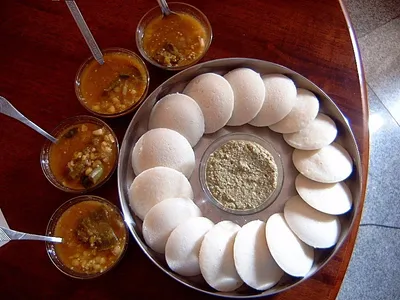
South Indian filter coffee belongs next to masala dosa or idli with sambar. Both need an overnight batter, which is why the coffee is usually the faster half of the plan. If you are comparing it with your usual stove-top drink, our post on chai ratios per cup shows how much a few spoonfuls change a milk tea, and the same logic applies here.
Make-ahead plan for a week of mornings
Decoction keeps for a short time in the fridge, so you can brew once and build cups quickly. The exact days vary with your kitchen, so smell it before you use it and discard anything that smells sour.
<!-- VERIFY: fridge life of decoction (commonly said to be a day or two) is not in our data; the text above deliberately avoids a number. -->
- Evening: drip a double batch (6 tablespoons powder) while dinner cooks.
- Morning: heat milk, add decoction to taste, pour between two vessels, done in about 5 minutes.
- Weekend: make the full slow-drip batch for guests and serve in small tumblers.
Our Degchi try-it page can keep coffee powder and sugar on your Have, Low, Out list, so the shopping list tells you before the powder runs out mid-week.
Related recipes

Related posts

The Desi Kitchen Grocery List for Life in the US or UK
Stocking a desi kitchen far from home is mostly about knowing which items are worth buying in bulk, which are worth buying fresh, and which have easy substitutes.
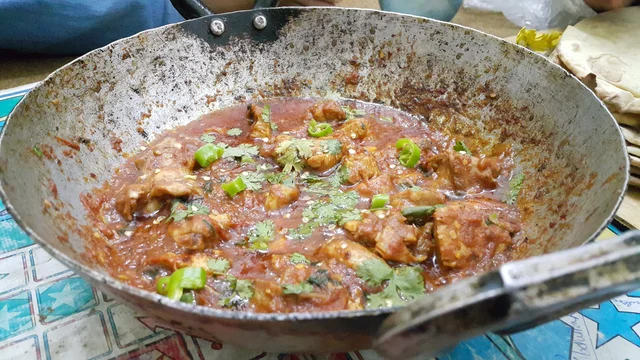
15 Pakistani Dinner Ideas for Busy Weeknights
Fifteen Pakistani dinners that actually fit into a weeknight, grouped by how long they really take — from 20-minute eggs to slow, mostly-unattended curries.

Sahlab at Home: Thick, Smooth and Lump-Free
Sahlab should coat a spoon and slide off slowly, closer to a drinkable pudding than a hot milk. The usual failure is lumps or a skin, and both are avoidable.
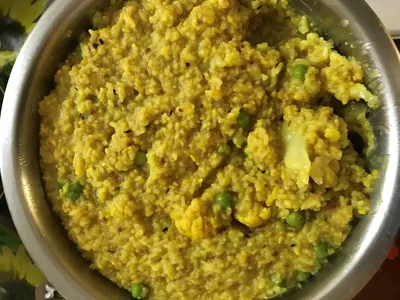
Rice Cooker Desi Meals: One-Pot Dinners Beyond Plain Rice
A rice cooker is the most underused desi kitchen tool. It can make basmati, khichdi and simple pulao while you handle everything else.