 Degchi
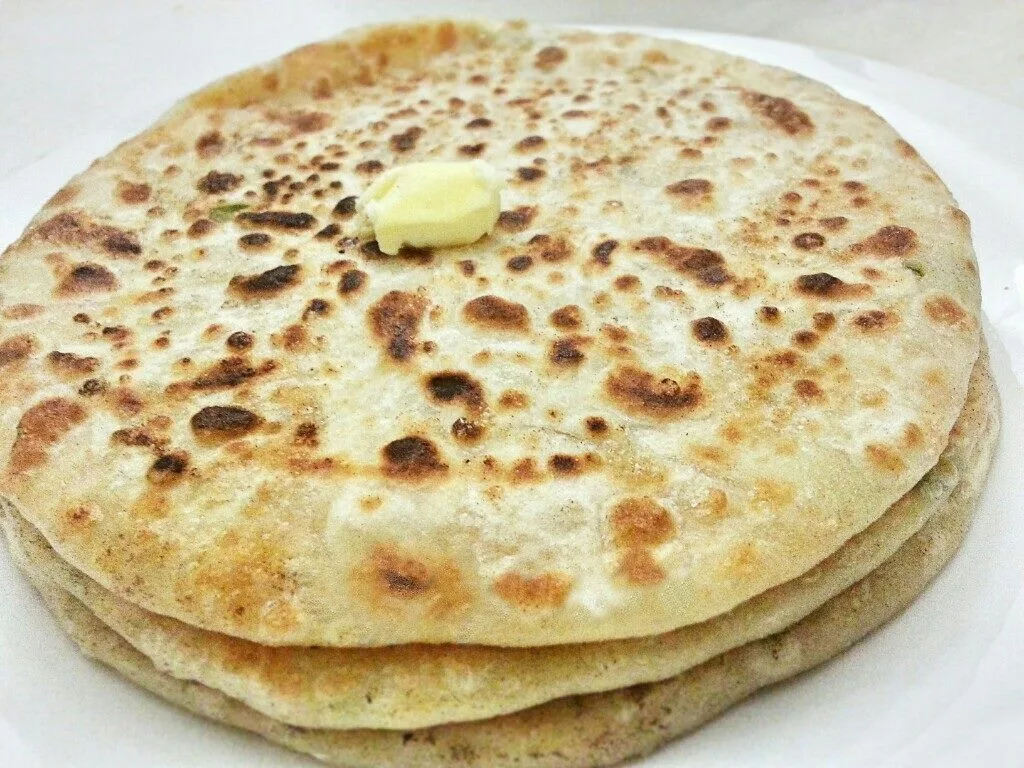
Photo: Affaf Ali / CC BY-SA 4.0
Packed Food for Road Trips and Flights: What Keeps
Rice in a plastic box in a hot car boot is the classic road-trip mistake. It tastes fine at hour three and causes trouble by hour five. Packed travel food comes down to two questions: will it stay safe, and will it still taste like food when you open it? The answers are different for a car, a cooler and a flight.
The only safety rule that matters
Perishable cooked food, meaning anything with meat, egg, dairy, cooked rice or cooked lentils, should not sit in the open for more than about 2 hours. In hot weather, above roughly 32 C (90 F), that drops to 1 hour. A car in summer counts as hot weather.
Cold food should stay at or below about 4 C (40 F), which means ice, not "it was in the fridge this morning." Hot food, if you want it hot, needs to be kept above 60 C (140 F), which in practice means a good insulated flask. Anything between those temperatures is in the danger zone and the clock is ticking.
If you cannot meet those, pick food that does not need to.
Foods that keep without a cooler
These are dry or low-moisture, and they fare better at room temperature for a day of travel.
- Parathas and plain roti. Aloo paratha is the standard road-trip food for a reason. Cool it fully, wrap in foil or a cloth, and eat it the same day. Potato filling is moist, so treat it as perishable if the weather is hot. A plain paratha without filling lasts longer than a stuffed one.
- Dry snacks: roasted chickpeas, makhana, nuts, dry fruit, khakhra, mathri.
- Whole fruit: bananas, apples, oranges. Wash at the destination.
- Sweets without milk or cream. Suji halwa made with ghee keeps better than milk sweets, though for safety in heat, still count on a day or less.
- Hard-boiled eggs are perishable. Keep them cold or eat them within 2 hours.
Foods that need a cooler
Use a cooler bag with at least two ice packs. Pack it full, because a half-empty cooler warms up faster. Keep it out of the sun and, in a car, in the passenger cabin, not the boot.
- Sandwiches and wraps with chicken, egg or paneer.
- Yogurt, raita, lassi. Sealed bottles of lassi stay cold if frozen first.
- Cooked chicken or kebabs. These should have reached 74 C / 165 F when cooked, then chilled fast. Eat within a day, discard leftovers.
- Chaat parts. Keep chana chaat components separate and dress them at the picnic spot, so nothing goes soggy.
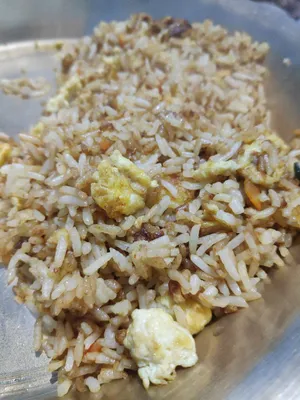
- Rice dishes. If you take egg fried rice or khichdi, chill them within an hour of cooking, pack them in a cooler, and eat within a few hours. When in doubt, buy rice at the stop.
For the leftover side of this, cooling and reheating rice and daal safely is worth a read before packing.
Flights: what the airport allows
Rules vary by airline, airport and country, and they change, so check before you go. Common patterns:
- Solid food is generally allowed through security. Parathas, dry snacks, fruit and sandwiches usually pass.
- Liquids and gels are limited in carry-on bags, often to containers of about 100 ml (3.4 oz) each. That can include curry, yogurt, chutney and pickles, depending on how the officer classifies them. Put them in checked luggage if you must bring them.
- Customs rules on food differ by country. Many places restrict fresh meat, dairy, fruit and vegetables or seeds. Check the destination's rules before you pack anything fresh. Some items that are ordinary at home may be declared or confiscated.
- A long flight is a long time out of the fridge. For flights over about 3 hours, avoid perishable items unless you can keep them cold.
Frozen ice packs are often treated as liquid if they are not fully solid at security.
What to leave at home
- Cooked rice in a hot car.
- Cut fruit and salad that has been sitting.
- Milk-based sweets in summer.
- Egg dishes without a cooler.
- Home-cooked curry in a flask that you cannot keep hot.
- Anything you have doubts about. Waste is cheaper than a ruined trip.
A road-trip packing list
Cooler bag:
- 6 to 8 sandwiches or wraps, with filling inside
- A bottle of lassi, frozen overnight
- Cut cucumber and carrot sticks
- Hard-boiled eggs, in shells
Dry bag:
- 8 parathas wrapped in foil, eaten first
- Roasted chickpeas, nuts, dates
- Bananas and apples
- Wet wipes, napkins, a small knife, a bin bag
Do the packing the night before and chill the cooler contents overnight. Cooling the cooler bag itself with ice packs for an hour beforehand helps it hold temperature.
Eating on the move
Take a short break every few hours. Eat the perishables first, before 2 hours out of the cooler, then the dry food later. Keep hands clean, because water is not always available: wipes or sanitiser are fine.
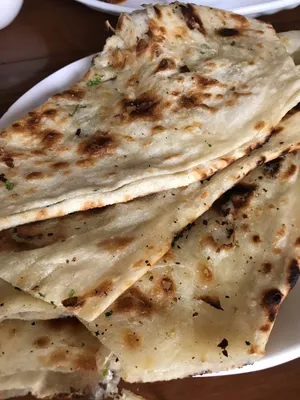
If you want to plan the meals before the trip, the pantry check on the home page shows which of these your cupboard already covers, and tandoori roti and paratha dough can be made in a big batch the day before.
After you arrive
When you reach your destination, throw away anything perishable that spent more than 2 hours out of the cooler, and do not argue with yourself about it. Rinse and dry the cooler and the containers the same day, because the smell of spilled curry or yogurt is hard to remove later. If you flew, unpack and refrigerate anything that was carried in a bag as soon as you can. Leftover parathas can be kept at room temperature for a day in a cool place, but if there is any doubt, eat the dry snacks and buy fresh food locally.
Related recipes
Related posts
High-Protein Desi Dinners That Still Taste Like Home
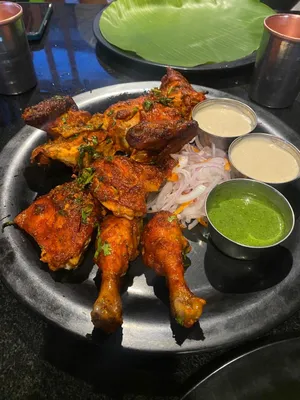
South Asian home cooking is already rich in protein. Here is how to build dinners around lentils, chickpeas, eggs, chicken and paneer and nudge the protein up without losing the flavor.

Why Does Daal Foam and Boil Over? How to Stop It
You turned your back for 30 seconds and the daal climbed out of the pot. Here is why lentils foam, and how to stop it with a rinse, a spoon and the right pot.
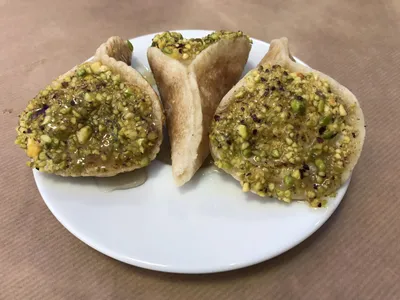
Qatayef at Home: Batter, Folding, and Fry vs Bake
Qatayef pancakes are cooked on one side only, filled, folded shut and dunked in syrup. Where batches go wrong, and a Ramadan prep plan that spreads the work over two days.
What to Thaw Tonight: A Fridge Thaw Schedule for the Week
The 5 pm moment when the chicken is still a block of ice is a planning problem, not a cooking one. A simple night-before thaw schedule fixes it.