 Degchi
Rasam Too Sour, Thin or Bland? What to Fix
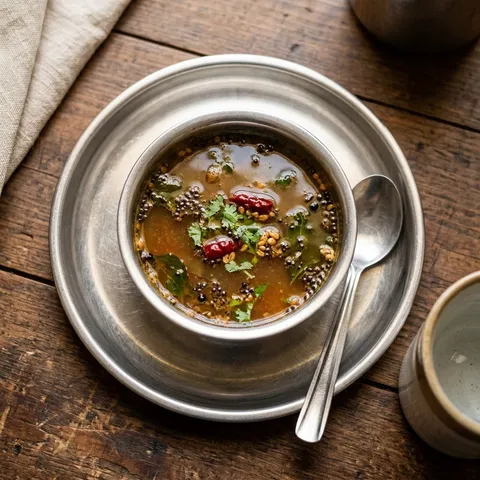
You made rasam, tasted it, and your face did something. Maybe it is so sour it hurts. Maybe it is hot water with a faint smell of tomato. If you are asking why is my rasam too sour, the answer is usually the tamarind, and it is easy to correct.
Our rasam recipe is short: 10 minutes of prep, 25 minutes of cooking, serves 4. The ingredient list is small, which is why every one of them has to be measured.
The recipe in numbers
Ingredients: 100 g (about 1/2 cup, 3.5 oz) toor dal, 2 chopped tomatoes, 2 tbsp tamarind pulp soaked in water, 1 tsp crushed black pepper, 1 tsp crushed cumin, 4 cloves crushed garlic, 1/4 tsp turmeric, 1 tsp mustard seeds, 10 curry leaves, 2 dried red chillies, 1 tbsp oil, 1 tsp salt and 2 tbsp coriander.
The method: pressure-cook the dal with turmeric and mash lightly. Boil tamarind, tomato, crushed spices and 3 cups (720 ml) of water for 10 minutes until the raw tamarind smell goes. Add the mashed dal and salt and simmer gently 5 minutes. Pour a tadka over the top.
Too sour
The 2 tbsp of pulp is for the 3 cups of water in the recipe. Tamarind varies a lot. A thick block pulp is stronger than a squeezed paste from a jar, and a cheap concentrate can be stronger again. When it tastes harsh:
- Add 1/2 cup hot water and a pinch of salt, then simmer 3 minutes.
- Stir in a small piece of jaggery or 1/2 tsp sugar. Sweetness rounds off acid without making the soup sweet.
- Add another spoonful of mashed dal. It thickens and softens the edge.
Next time, start with 1 tbsp pulp, taste after the 10 minute boil, and add more only if you need it.
<!-- VERIFY: jaggery or sugar quantity is a normal correction, not from our recipe data -->
Thin and watery
Rasam is meant to be thin, though not empty. If it tastes like flavoured water, the mashed dal is too little or the tomatoes did not break down. Cook the tomatoes until they collapse fully, 8 to 10 minutes, and mash them against the pot. Stir in the mashed dal until it is evenly clouded. With 100 g of dal for 3 cups of water, the soup should coat a spoon lightly.
Frothy and cloudy
A hard boil once the dal goes in turns rasam frothy and dull. That is why our recipe says to simmer gently for 5 minutes and not boil hard. The spices lose their top notes at a rolling boil, and the dal breaks into fine, cloudy particles. Keep the heat low enough that only a few bubbles break the surface.
Bland, with no punch
Three small causes:
- Pepper and cumin were ground fine. Crush them coarsely in a mortar with the garlic. The pieces release flavour when the soup is hot. See our guide on grinder, mortar and blender for when to use the mortar.
- The tadka was lukewarm. Heat the oil until the mustard seeds pop within seconds, then add the chillies and curry leaves for a few more seconds. Pour it on while it is still sizzling.
- Under-salted. One teaspoon seasons 4 servings only mildly. Taste after the dal goes in and add a pinch.
Our post on why daal tastes flat goes deeper on tempering.
A sensible order for tasting
Taste at three points, not once at the end. First, after the 10 minute boil with tamarind and tomato, before any dal goes in: it should be sharp and a bit rough, because the dal will soften it. Second, after the dal and salt, once the pot has simmered the 5 minutes: adjust salt and sourness now. Third, after the tadka: the hot oil adds roundness, so do not over-correct before it goes in.
If you cooked the dal in a pressure cooker, remember that the water in it counts. A very watery mash dilutes the whole pot, so mash it well and add it spoon by spoon.
Rasam, sambar and dal: not the same
Rasam is a thin, peppery, sour soup. Sambar is thicker, with vegetables and more lentil. Dal is plain cooked lentil. People sometimes thin down a leftover sambar and call it rasam, and it is not the same thing. If you are working out which spice powder to buy, sambar powder vs masala vs rasam powder lays out the differences.
Ways to serve it
- Hot, in a glass, as a soup.
- Poured over steamed rice, about 3/4 cup rice per serving, with a spoon of ghee.
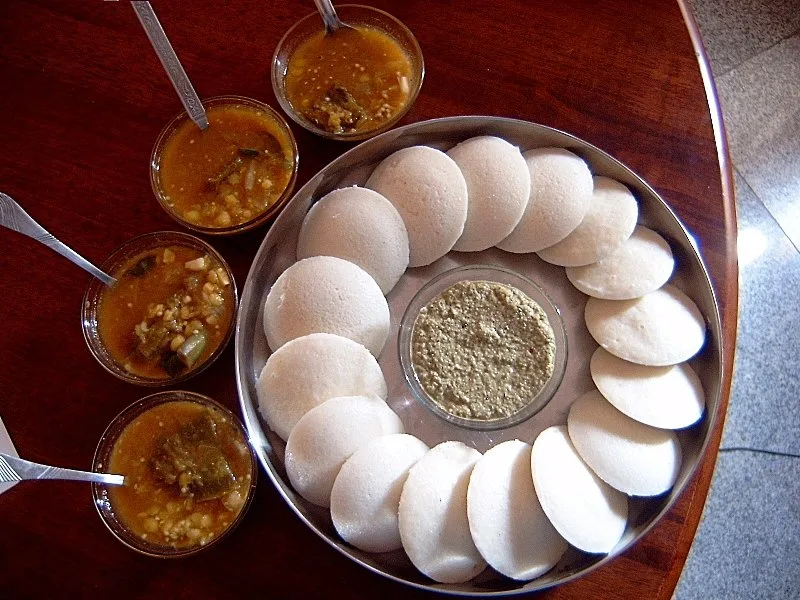
- With idli or papad on the side.
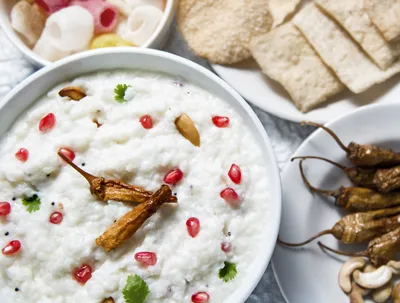
- Alongside curd rice, where its heat balances the cool yoghurt.
Rasam keeps in the fridge for up to 3 days and tastes sharper the next day. Reheat gently, never at a rolling boil.
<!-- VERIFY: 3 days fridge storage; standard cooked-leftover guidance, confirm against food safety source -->
Troubleshooting sheet
| Problem | Fix |
|---|---|
| Mouth-puckering sour | Water, pinch of jaggery, more dal |
| Watery | Mash tomatoes, add more dal |
| Frothy | Lower heat, no hard boil |
| No flavour | Coarse pepper, hot tadka, salt |
| Raw tamarind taste | Boil 10 minutes before adding dal |
Degchi's pantry check can tell you whether you already have the tamarind, dal and spices before you start.
Related recipes
Related posts
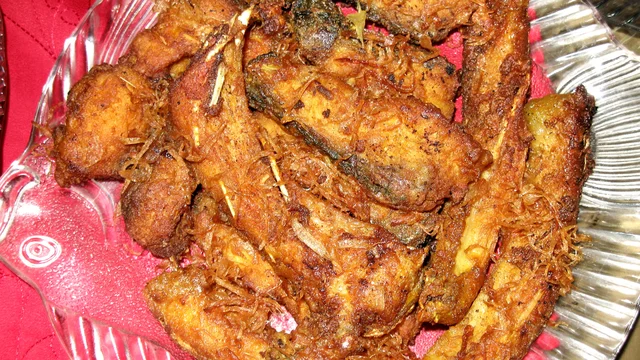
Bangladeshi Home Cooking: 8 Everyday Dishes to Start With
Bangladeshi home cooking is built around rice, fish, lentils, and a handful of techniques used again and again. Here are eight everyday dishes that show what actually fills a Bengali table.
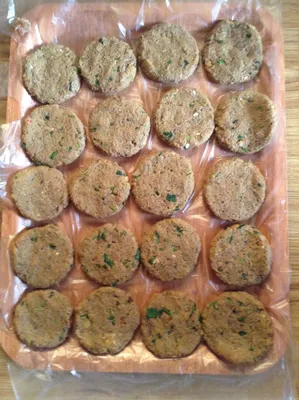
Bun Kabab at Home: The Karachi Street Burger
Bun kabab is not a burger with a patty on top. The patty is cooked mince and chana daal, ground smooth, dipped in egg and fried. Here is how to stop it falling apart.
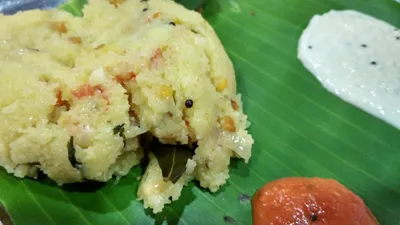
Curd Rice vs Lemon Rice: Two Opposite Rice Rules
One dish wants rice mushy and warm, the other wants it cool and loose. Get that wrong and curd rice turns sour or lemon rice turns to paste.
Kitchen Scale or Measuring Cups for Desi Recipes?
A US cup of rice weighs about the same as a cup of lentils, but a cup of flour is far lighter. Here are the figures from our recipes, and when a scale is worth buying.